

Blog, Other Camping Gear
Nikon Trailblazer 8×25 — Pocket Binoculars That Catch Every Moment
Nov
Bright, weatherproof, grab-and-go optics for when seconds count.
You know that gut-sinking moment when a bird or buck shows up and you fumble for bulky optics you didn’t want to carry? You end up watching the tail end of the action while the good view disappears — frustrating and all too common out on the trail.
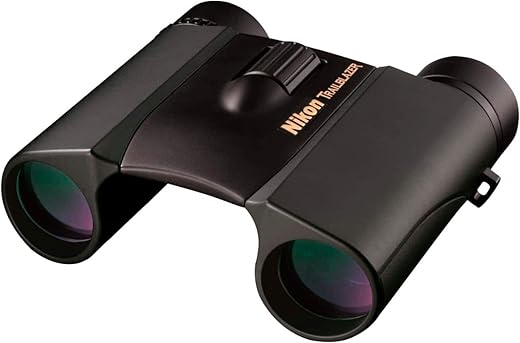
The Nikon Trailblazer 8×25 is built to fix that. Tiny, bright, and waterproof, these pocketable bins give you quick, crisp views without the bulk — they won’t replace a full-size spotting rig, but they’ll keep you from missing the moments that matter.
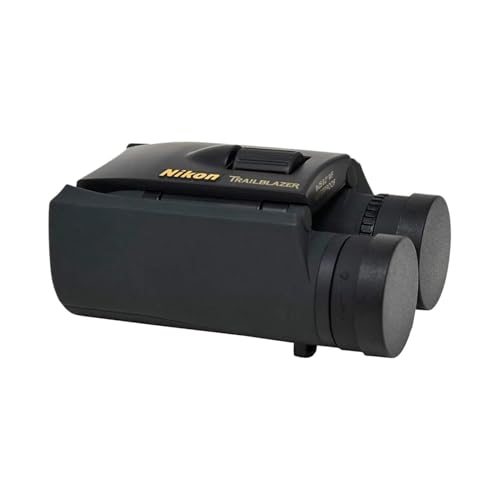
Nikon Trailblazer 8×25 Compact Waterproof Binoculars
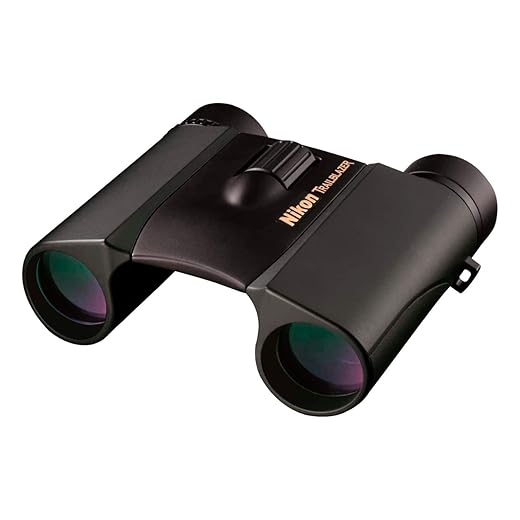
You get bright, reliable views in a package you’ll actually carry everywhere. They don’t replace a full-size spotting rig, but they fix the common pain of missing fleeting wildlife because your optics were too bulky.
Overview
You’re out on a trail, at a stadium, or watching a marshy coastline — and you want to catch the action without lugging a heavy bag. These binoculars were designed for that exact moment. They pack surprisingly clear optics and rugged weatherproofing into a slim roof-prism body that folds small enough to slip into a jacket pocket.
What you’ll notice first
The moment you lift them, you’ll feel how light and balanced they are. The view through the lenses is bright and punchy, thanks to multilayer coatings that push as much light as possible to your eye. Colors pop and detail stays crisp in typical dawn/dusk birding light — the times you most need help spotting small, fast birds.
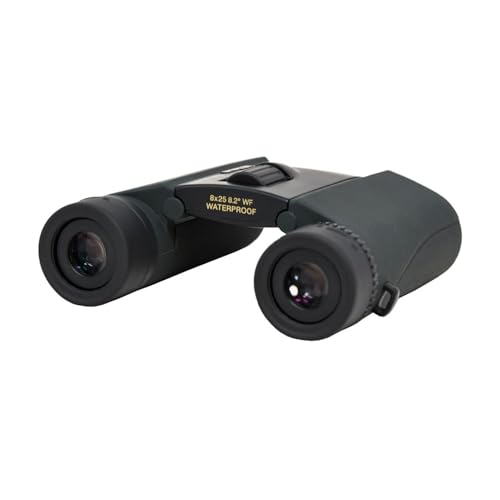
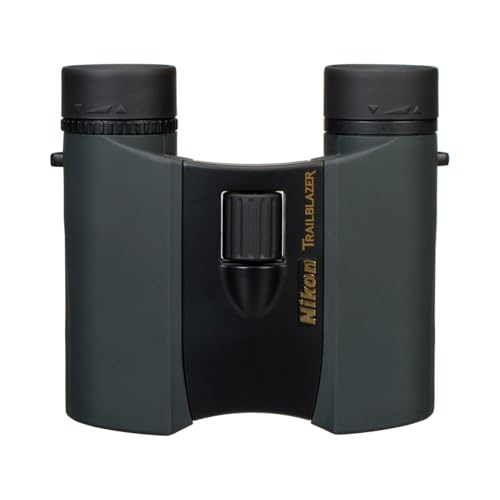
Key features at a glance
Optics & performance
You’ll get a bright, high-contrast image that beats many other compacts in the same price range. Multilayer-coated lenses reduce glare and help retain color accuracy. With 8x magnification, your hands will be steadier and it’s easier to find moving subjects. The trade-off is a smaller objective lens, which means slightly less light-gathering than big binoculars — but in real-world hiking and travel use, the balance is in your favor.
Optical highlights:
Handling, fit, and comfort
Because they’re designed to be carried, ergonomics matter. The rubber armor gives you a secure grip even with wet hands or gloves. The central focus wheel is smooth and quick, so you can snap focus onto a bird in a blink. Some users report the twist-up eyecups don’t always lock rigidly at the final stop — you can work around that by applying opposite pressure or using an aftermarket screw tweak — but for many casual users it won’t be a dealbreaker.
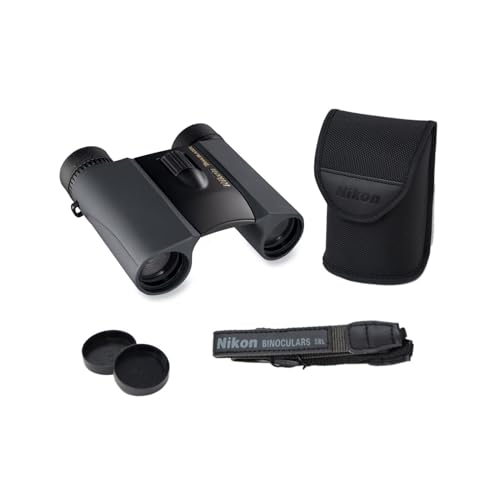
Included accessories make life easier:
Weatherproofing & durability
If you hike in rain, paddle near shorelines, or encounter morning fog, the Trailblazer handles it. The body is O-ring sealed and nitrogen-purged so moisture and thermal shock don’t fog the view. The rubberized shell takes bumps so you’re less likely to panic when you set them down on a rock or drop them in a backpack.
Practical durability points:
Real-world field notes
You’ll love how light they are when you’re trying to pack minimal gear. They’re the kind you forget until an unexpected sighting appears — then you’re glad you carried them. For birdwatching, coastal spotting, stadium events, and quick wildlife checks, they’re almost ideal. But if you’re sitting on a blind for hours or need the widest field of view for large flocks, a larger binocular will perform better.
A quick specs table
| Feature | What it means for you |
|---|---|
| 8×25 magnification | Stable handheld viewing, easy to find subjects |
| Multilayer-coated optics | Brighter, clearer views and better color fidelity |
| Waterproof & fogproof | Reliable in rain and rapid temp changes |
| Compact roof prism body | Small footprint, pocket-friendly |
| Rubber armor | Improved grip and light shock protection |
Who should buy these (and who shouldn’t)
You should consider these if you want a no-fuss companion you’ll actually bring on hikes and trips. They’re great for:
You might skip them if:
Tips to get the most out of them
Care and storage
Final thoughts
These binoculars solve a real problem: you want good views but you don’t want to be weighed down. You’ll appreciate their bright optics, dependable weather sealing, and tiny footprint. For day hikes, travel, and quick wildlife spotting, they’re a reliable companion that reduces the number of times you miss the moment because your optics were stuck at home.
FAQ
Yes — they do a great job at low light. The multilayer-coated lenses boost light transmission so you’ll see brighter images at dawn and dusk than with cheap compacts. They have 8x magnification and 25mm objectives, so they’re easy to hold steady and great for quick looks.
Absolutely. They are O-ring sealed and nitrogen-purged, so rain, splashes, and quick temperature changes won’t fog up the view. The rubber armor also helps with grip in wet conditions.
Yes — they’re a great starter pair. They’re light (about 10 ounces), easy to carry, and the 8x power is forgiving for shaky hands. The focus knob is simple to use, so kids and new birders can grab quick, clear views and stay excited.
The field of view is narrower than many full-size bins. The compact 25mm objectives and roof-prism design trade some scene width for pocketability.
They use twist-up eyecups, but some users say the position can feel a bit loose on certain units. If you wear glasses, that can affect how steady your eye relief feels.
Keep them clean and dry so they work great when you need them. Use a soft brush or blower to remove grit, then wipe lenses with a microfiber cloth and a little lens cleaner if needed. Don’t use household cleaners.
Parts and service are possible but not guaranteed. This model has been discontinued, so some specific parts may be harder to find.

These make me feel like a low-budget spy. Like, I walk into a park and suddenly I’m stealth mode with 8x powers.
On the flip side, my focus wheel was a tad stiff out of the box and took a handful of adjustments to smooth out. Anyone else get a rocky focus at first? Not a dealbreaker but surprised me.
Same experience. Took maybe a week of normal use to feel right.
Yep mine was stiff at first but loosened after a few outings. I also kept it a bit protected in the pocket to avoid grit getting into the mechanism.
Some binoculars do need a short break-in period; repeated use often smooths the focus action. If stiffness persists, it’s worth contacting the seller or checking for debris, but with discontinued models warranty support can be limited.
If it’s super stiff, don’t try WD-40 or random oils — that can mess the coatings. Gentle rolling and use is best. If it stays bad, ask seller for return/replacement.
Wanted to add a pragmatic point: if you’re deciding between these and a larger 10x set, think about what you’ll actually carry.
I have both. The 10x gives better detail when stationary (like at a blind), but the Trailblazers are what I grab for quick walks. They’re a tool, not a one-size-fits-all solution.
100% — size vs power tradeoff. If you’re mobile a lot, smaller magnification and weight win.
Totally. I keep the 8x for hikes and my 12x at home for backyard stationing.
Well put, Olivia. That aligns with the review verdict: bright, reliable views in a package you’ll actually carry. Great complementary pair strategy.
Love this review — I laughed at the ‘you’ll actually carry everywhere’ line because that’s exactly my problem 😂
I used mine on a weekend canoe trip. They stayed fog-free despite the morning mist and the coating made colors pop when a heron landed nearby. Lightweight + waterproof = instant win.
Two tiny gripes: the strap that came in the kit was meh, and they’re discontinued apparently? Kinda bummed about that if I ever need spare parts.
I replaced the strap with a padded neck strap from Amazon — huge comfort upgrade. Cheap and effective.
Discontinued doesn’t mean unusable — lots of good units show up used. Just check the optics for haze and the prisms for alignment before buying secondhand.
If you need spares, sometimes local camera shops have generic eyecups and straps that fit well.
Thanks, Priya — canoe trips are a great test for fog/water resistance. Yes, the listing notes they’re discontinued by the manufacturer, which mainly affects availability of new units and OEM accessories. Third-party cases/straps are common, though.
Agree on the strap — I swapped mine out the first week. Worth the 10 bucks for comfort.
Good review, but one thing I wish was covered more: eye relief for folks who wear glasses. The article mentions compact size and bright optics, but how usable are they with sunglasses/readers/varifocals? Also the eyecups felt a bit fiddly on my pair.
Great point, Daniel. The Trailblazer 8×25 has modest eye relief compared to larger porro designs — many eyeglass wearers can use them but you may need to fold down the eyecups (they’re twist/flip on some models) and move the binocular a bit closer. If you wear thick frames, trying them on first is best.
I’m an eyeglass wearer and found them OK with eyecups down, but ymmv. A cheap eyeglass adapter (or just tucking the glasses up a bit) helped for quick looks.
I grabbed a pair of these Trailblazers for weekend hikes and honestly — they punch way above their weight.
Compact enough to actually live in my daypack pocket, bright enough to pick out birds at the edge of the treeline, and the waterproofing gave me peace of mind during a sudden shower.
They won’t replace a big spotting scope, but for chasing fleeting moments they’re perfect. Worth the ~$77 price if you want something you’ll actually carry. 🙂
Totally agree. I keep mine in a soft pouch and it’s been my go-to for roadside birding. Lightweight makes a big difference.
Same here — I used them at a wetland preserve last month and caught a couple of kingfishers that I would have otherwise missed. Little tool, big payoff!
Thanks for the hands-on share, Emma — glad they worked well on hikes. The expert verdict we quoted was basically that: great for carry and quick sightings but not a scope replacement.
I’m on the fence — the price ($76.95) is tempting, and the review’s 8.8 rating looks solid. Couple of questions from a buyer’s perspective:
1) Is 8x magnification enough for birding or is 10x better?
2) Any tips for buying a discontinued model (ASIN B000NO5OYA / model 8217) used?
Would appreciate practical advice — I’m not super technical, just want to enjoy backyard birds without lugging a scope.
If you’re buying used, ask for a short video of the eyepieces while focusing. It’ll show alignment and smoothness.
For backyard use, 8x is great — easier to follow a hopping sparrow than a 10x that needs a steady hand. Also saves your neck from the heavier set.
Short answers: 1) 8x vs 10x — 8x is more stable handheld and better for quick scanning; 10x gives more detail but is shakier. For casual backyard birding 8x is perfectly adequate.
2) When buying used: check photos for haze/fungus inside lenses, confirm focus smoothness, and ask the seller about any drops or water exposure. If possible, buy from a seller with returns.
Also check seller notes for mold/haze — older binos sometimes have internal fungus if they were stored damp. Clear optics are key.
One more tip: if you can try before you buy (local camera shop or birding group), you’ll know for sure. Otherwise the return policy is your friend.
Short take: decent optics for the price but the included case felt cheap. Mine arrived with a flimsy soft case that offers minimal protection. If you plan to toss these in a bag with other stuff, buy a sturdier hard case.
I use a small Pelican-style case and it fits fine. Worth the investment if you travel a lot.
Good callout, Jason. Many buyers swap out the included soft case for a hard shell or padded case, especially if they’re storing the binoculars with other gear.