

Blog, Navigation & Electronics
Your Lifeline Showdown: Satellite Messenger vs PLB
Nov
Your Lifeline Choice: Why This Matters
You go into wild places for freedom — not for worry. But when something goes wrong, your lifeline decides how fast help shows up and how calm you stay. Choosing the wrong device can turn a scary stopgap into a long, lonely wait. You want something simple, fast, and reliable.
This guide cuts through the noise so you can pick with confidence. We’ll compare satellite messengers and PLBs on rescue speed, coverage, cost, weight, battery life, and real-world ease of use. No tech fluff — just what matters when minutes feel like hours. Your choice could save hours and keep you calmer when it matters most.

What's What: Quick Overview of Satellite Messengers and PLBs
You don’t need a textbook — just the basics that actually matter. Below is the plain truth: what each device promises, when it helps you most, and a few quick tips so you can picture using one on the trail.
Satellite Messengers — stay connected
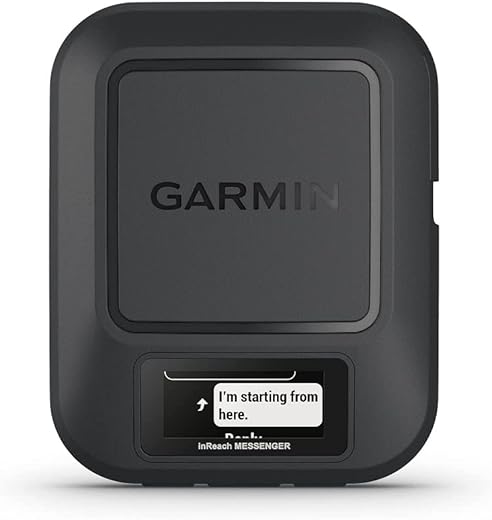
A satellite messenger (examples: Garmin inReach Mini 2, ZOLEO) gives you two-way text, location sharing, and optional GPS tracking. You can:
Real-life picture: you tweak an ankle on a long ridge. You text “stopped, swelling, can hobble — ETA 2 hrs” to your partner and rescuers know your status before they decide to launch. Messengers require a subscription but give you connection and control.
PLBs — one job, done loud and clear
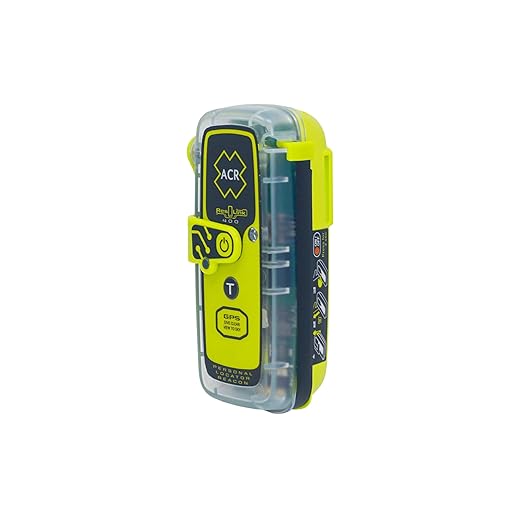
A Personal Locator Beacon (PLB) like the ACR models is single-purpose: SOS. No chat, no tracking, no subscription. You flip and hold the button and your exact GPS is broadcast to search-and-rescue networks. It’s built for absolute reliability.
Quick scene: you’re unconscious or can’t explain your location. The PLB screams “rescue now” to authorities even if your phone is smashed.
Quick, actionable tips
When Every Minute Feels Like Forever: Rescue Time, Coverage, and Reliability
This is the heart-pounding stuff you actually care about. You’re not reading specs — you want to know if help shows up when you can’t move. Here’s how the two options feel when the clock is ticking.
Who actually answers — and how fast
PLB: flip it, and an SOS blasts to the international SAR network (COSPAS‑SARSAT). That alert is high priority and hard to ignore. That doesn’t mean a helicopter lands in 10 minutes — but the alarm goes out fast and to the right people even if you’re knocked out.
Satellite messenger (Garmin inReach Mini 2, ZOLEO): you can text details to a 24/7 monitoring center who then contacts SAR. That extra step gives rescuers context — but it can add minutes or longer before SAR is engaged, especially if messages are delayed.

Coverage blind spots: trees, canyons, weather
Satellites need a clear sky. In a deep valley, under heavy canopy, or during storms, both devices can struggle to get a fix. PLBs often use low-frequency signals that punch through a bit better; messengers may need a better view for two-way chat. Expect slower fixes in tough terrain.
False alarms and canceling
A false SOS is scary and costly. With a messenger you can send “false alarm — safe” and stop a rescue. With a PLB, canceling is harder — once the beacon’s out, SAR is already moving. Test your gear so you don’t accidentally trigger it.
Quick, usable tips when seconds matter
Next section will help you match these trade-offs to your typical trips so you pick the right lifeline.
Money, Subscriptions, and Hidden Costs — What You’ll Pay
Upfront vs ongoing: who’s one-and-done?
You want a lifeline that doesn’t keep nickeling you to death. PLBs (like the ACR ResQLink series) are basically one-and-done: you buy the device (often $200–$400), register it, and there’s usually no subscription. Satellite messengers (Garmin inReach Mini 2, ZOLEO) cost about the same up front — or a bit more — but then want a monthly or annual plan.
Subscription breakdown: what you’re really buying
Messenger plans pay for two-way texts, tracking breadcrumbs, and the monitoring center. Expect plans from low-usage, seasonal options to full-time flat rates. Ballpark: $5–$15/month for barebones seasonal plans, $15–$50+/month for fuller plans, or $50–$200/year depending on use. Check whether tracking points or message bundles have limits — overages hit you fast on long trips.
Hidden fees and surprise charges
Money-saving moves (how to avoid sticker shock)
Next up: we’ll size this choice to your pack — battery life, weight, and toughness matter when you’re miles from help.
How It Feels in Your Pack: Size, Battery Life, and Durability
When you’re wet, cold, and halfway down a ridge, tiny things decide whether you get out. Here’s the practical, no-fluff breakdown so you’ll actually carry the thing.
Size & weight — will you notice it?
You want something you won’t regret packing. Pocketable satellite messengers (think Garmin inReach Mini 2) are small and light enough you won’t feel them. Some two-way communicators (like ZOLEO-style units with a cradle) are chunkier but still backpack-friendly. PLBs (ACR ResQLink family) are usually compact, boxy, and designed to clip on outside your pack.
Battery life & charging habits
Satellite messengers use rechargeable batteries. That gives you two-way texting and tracking — but heavy tracking drains them fast. Simple rules:
PLBs use sealed long-life batteries with multi-year shelf life and are meant for one emergency activation. You don’t charge them, but you do check expiry dates and schedule battery replacement per the manufacturer (often every 5–10 years).
Durability — real-world toughness
Both device types are built for abuse, but check:
A scratched communicator will still work; a smashed one might not. PLBs are purpose-built to survive a fall and salt spray.
Practical carry tips
Make it easy to grab — if it’s a pain to reach, you’ll leave it behind when the weather turns.
Features That Save Your Sanity: Messaging, Tracking, and Extras
Two-way messaging — a morale lifeline
When you can text back, panic drops fast. With a Garmin inReach Mini 2 or ZOLEO you can send “I’m OK, delayed 2 hrs” and your person at home breathes. Two-way lets you describe injuries, get comfort, or coordinate pickups — real human connection when cell service is gone. PLBs (ACR ResQLink) don’t do this — they hammer the rescue button and then you wait.
Live tracking & location sharing — let them follow the dot
Live tracking turns worry into watching. Many messengers create a web link showing your breadcrumb trail. Loved ones see progress, not rumors. Example: set a 10-minute track interval while hiking a glacier — family sees you move and relaxes. Track less often to save battery, more often when you’re in sketchy terrain.
Weather, check-ins, and status updates
Weather briefs, preset check-ins, and location-based alerts are tiny features that prevent huge freak-outs. Devices like inReach can pull basic forecasts; ZOLEO pushes reply-ready messages. Pre-program messages such as:
PLB reality check — the trade-off
PLBs get rescuers moving fast but don’t reassure your family with ongoing updates. If you carry a PLB, pick a designated contact who knows the plan and will act as your family’s info hub when SAR is notified.
Practical quick tips you can use right now
Small extras make a huge emotional difference. Knowing you can say “I’m okay” or your partner can watch your dot on a map—those are the features that stop panic and keep cool heads when it matters most.
Which One Fits Your Adventure? A Simple Decision Guide
Quick match scenarios
Your decision checklist
One-minute decision path
- You need only SOS and fastest rescue → pick a PLB.
- You want messaging, tracking, and planning → pick a satellite messenger.
- Mixed needs (boating + texts) → consider a marine-capable messenger or carry both.
Ready to lock it in? Move on to the Conclusion to finalize your pick and pack.
Pick the Right Lifeline and Get Back to Adventure
You’ve compared speed, cost, comfort, and how safe each device makes you feel. Trust what matters to you most: instant rescue and peace of mind, lower cost and simplicity, or the extras that keep you connected. Pick the tool that matches your trips and worries, then make it part of your kit.
Carry it every time, test it before you leave, and teach your group how it works. With the right lifeline in your pack you’ll push farther, sleep better, and turn rough days into stories instead of emergencies out there.

Which would you recommend for a 10-day solo paddling trip: Garmin messenger, ZOLEO, or the ACR PLB? Need to balance messaging to family vs weight and battery.
Open to honest opinions — not looking to be spoon-fed marketing.
For a 10-day solo paddling trip where staying in touch matters, I’d lean toward a satellite messenger (Garmin inReach Messenger Satellite Two-Way Communicator or ZOLEO Two-Way Global Satellite Text Communicator). They let you message family and call for help. If you want absolute simplicity and minimal weight, the ACR ResQLink 400 GPS Personal Locator Beacon is great but gives no messaging. Consider a power bank and waterproofing for messengers on water trips.
Agree with admin. I paddled with an inReach once and family updates were huge for morale. Just plan charging and a dry bag.
Sarcastic take: if you plan to get lost every weekend, buy both and call it a content creation budget. 😏
Seriously tho, article nailed the pros/cons. Would’ve liked more user stories.
Do it and post pics. Bonus points if you get rescued in a dramatic yet safe way.
User stories are on our list for follow-ups — helps readers relate to real scenarios rather than just specs.
Haha @Ethan, same. I’ll probably test both next season and report back.
Wasn’t expecting the durability bit to matter so much. Took my inReach on a river trip and it survived, scuffed but fine. Battery life is the real drama tho — my last multi-day outing I had to ration pings like a miser 😅
Also: the article’s “How It Feels in Your Pack” section = gold.
pro tip: keep wires and spares, and a little zip-lock for wet days.
Fiona — I have the inReach Messenger Satellite Two-Way Communicator (the smaller one). Good for space but yeah battery is trade-off.
^^ this. power banks saved me.
Also use airplane mode on other devices to reduce interference/drain and carry a power bank if weight allows.
Thanks for the field report! Rationing pings is a reality for some — that’s why planning and knowing default settings matter.
For readers: messenger lineups vary — always double-check listed battery specs and real-world tests when choosing.
Liam, what inReach model? I heard the Messenger is more compact but less battery than the Explorer models.
A technical Q: what’s realistic rescue time for a 406 MHz PLB vs a sat messenger ping in a very remote area? The article gave generalities, but numbers (hours/days) would help plan risk.
Also, any tips on what to say in an SOS message if you have two-way comms?
Thanks! Good checklist. Would be great to have a printable SOS template in the article.
Noted — adding an SOS template and sample phrasing is a solid idea for the update.
Good questions. Rescue time varies massively — in some regions a PLB activation can result in a response within a few hours; in other extremely remote places it might take 12–48 hours. Satellite messenger SOS can be faster or similar depending on local SAR workflows and whether commercial satellites have a faster routing. For SOS messages: include your exact location, nature of injury/issue, number of people involved, and any critical medical info. Keep messages concise.
Regional contacts matter too. Some countries route PLB alerts faster than private messenger SOS, so check local SAR procedures before traveling abroad.
Also mention if you have water, shelter, and mobility. SAR teams appreciate knowing if you can self-evacuate.
LOL comparing gadgets like dating apps: do I want a long-term commitment (subscription) or a one-night stand (PLB)? 😂
But seriously, loved the candid tone.
Ha — great analogy. The commitment question is exactly what we were trying to highlight.
Quick q: if I’m in dense forest or a deep canyon, which actually works better — PLB or satellite messenger? Article touched on coverage but I’m still fuzzy.
I’ve had a PLB pop through in a wooded valley when a phone failed, but I’ve also waited longer for rescues in tricky terrain. Try to move to higher ground if safe.
Short answer: both can struggle in deep canyons or under heavy canopy. PLBs transmit via 406 MHz to satellites and emergency services, while messengers use commercial satellites with varying performance. Positioning (getting a clear sky view) is the most important factor for either device.
Short and sweet: article explained subscriptions well. I didn’t realize how many hidden costs come with some satellite messengers. 👍
Helpful article but can someone explain durability differences between the ACR ResQLink 400 GPS Personal Locator Beacon and the Garmin? I’m clumsy and will probably dunk it in a river at some point 😂
Both are built for rough use. The ACR ResQLink 400 GPS Personal Locator Beacon is waterproof and designed for marine/aviation environments, typically very rugged. Garmin’s inReach devices are also rugged but come in different models — check IP ratings and shock specs for exact comparisons.
I dunked an ACR in a creek once and it kept working. The PLB’s simplicity helps — fewer ports to fail.
Thanks! Sealed sounds good. Might go PLB for peace of mind.
Garmin has detachable batteries on some models which can be a weak point. If you’re super clumsy, PLB’s sealed design is nice.
Thanks for laying out rescue time vs reliability — that was the most useful part for me. I ended up choosing a PLB because I hike in remote alpine terrain alone.
Appreciate the no-fluff advice.
The money section was eye-opening. Subscriptions, activation fees, and those ‘premium’ rescue dispatches add up.
A shoutout to anyone who defaults to the priciest plan — read the fine print.
Also, the article could’ve had a small comparison table for yearly costs (real numbers).
Agreed on hidden fees. I found cheaper annual options after switching providers but it took research.
Thanks @Kyle, I didn’t think of the insurance angle. I’ll call mine today.
FYI: some insurers discount rescue costs or will reimburse subscription fees — worth checking with your policy.
That’s useful — adding insurance considerations is a good follow-up tip for readers.
Good point — a cost table is a practical suggestion. We’ll consider adding concrete yearly cost examples in an update.
Real-world report: my friend activated a PLB (ACR ResQLink 400 GPS Personal Locator Beacon) after a bad fall — rescue was quicker than I expected. No messaging, though, so we were a bit anxious waiting for confirmation.
If you need to coordinate rescues or update family, consider a two-way device.
Glad your friend was OK. This is why I carry both on long expeditions — PLB for guaranteed SOS, messenger for updates.
Thanks for sharing — that’s the trade-off. PLBs are excellent for reliable SOS but lack comms; two-way devices help with coordination but add complexity and cost.
Great breakdown — this article helped me finally pick something for solo backcountry trips.
I was leaning toward the Garmin inReach for two-way messaging but the PLB’s simplicity and no-subscription appeal is tempting.
Also, the size/battery section convinced me the ZOLEO might be bulkier than I thought.
Still torn, but the decision guide made me weigh what actually matters: rescue time vs staying in touch.
If it helps: I carry a PLB on alpine climbs and a Garmin on longer trips. Bit redundant maybe but peace of mind is worth it for me.
Thanks Sarah — glad the guide helped. If being in touch with family is a priority, Garmin or ZOLEO make sense; if you want the simplest, most reliable SOS with no ongoing cost, the ACR PLB is hard to beat.
One thing I noticed: PLBs are a lot lighter to toss in a fastpacking vest. If weight is the tie-breaker, consider that.
Totally agree. I went with inReach because I needed two-way to coordinate pickup. PLB felt like overkill for my weekend hikes.
Loved the ‘Which One Fits Your Adventure?’ section. Answered my question about weekend hikers vs offshore sailors.
One nit: could use more on family peace-of-mind vs professional rescues.
Great suggestion — we’ll expand that comparison to include family/contact workflows vs SAR protocols in a future edit.
I’ve used ZOLEO for a year and had zero drama. Messages go through reliably and the app is simple.
Not as rugged as my buddy’s inReach, but cheaper plan options helped me decide.
Tom — noticed a bit faster drain in subzero but still acceptable. I keep it inside my jacket when stopped.
How’s the battery on ZOLEO in cold temps? That’s my main concern.
App experience matters a lot — thanks for sharing. ZOLEO’s value is definitely in the messaging plans and cross-device support.