

Blog
Storm vs Tikka: Which Light Won’t Fail Your Night Hike?

May
Don’t get left in the dark—find which light keeps you safe, seen, and smiling on your toughest night hikes.
You’re on a cold midnight ridge, rain whipping, and now your headlamp is the thin line between calm and panic. This quick guide pits the BLACK DIAMOND Storm 500-R against the PETZL Tikka 350 so you can pick the light that won’t bail on you when the trail gets real.
Extreme Weather

You’ll love the sheer punch and reliability when the weather turns ugly — it cuts through rain and fog and stays lit. It’s a bit fiddly to operate with thick gloves, but the rugged build and rechargeable battery mean you won’t be left in the dark on a long night hike.
Everyday Reliable
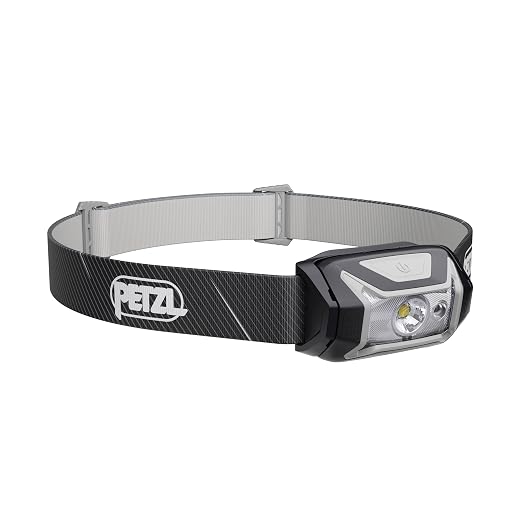
You’ll appreciate how dependable and easy it is to use — lightweight, long-lasting, and simple to operate when you’re tired. It won’t blind your campsite mates and the battery life on eco modes stretches across long trips, though it isn’t the brightest option if you want maximum throw.
Black Diamond Storm
Petzl Tikka 350
Black Diamond Storm
Petzl Tikka 350
Black Diamond Storm
Petzl Tikka 350
Brightness & Beam: Can You Trust It to Light the Path?
Raw numbers & feel
You want enough light to spot roots and read a map without blinding your buddy. The Storm pumps out 500 lumens with a longer throw (about 64 m), so it makes distant trail features pop. The Tikka tops at 350 lumens but gives a softer, wider spill that fills your immediate field without harsh hotspots.
Black Diamond Storm 500-R
When you crank the Storm, the trail ahead looks like daytime—good for fast descents or finding a route on a dark ridge. Its distance mode helps you pick a line through switchbacks, but full power can be harsh up close. Use the proximity/distance settings to tame that glare when you’re checking roots or gear.


Petzl Tikka 350
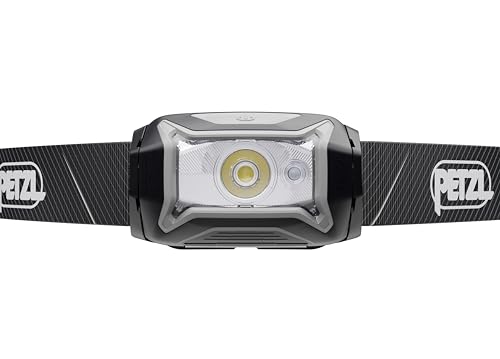
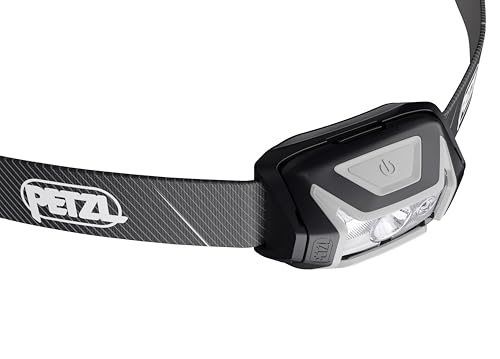
The Tikka feels calmer. Its wide beam and dedicated red mode protect your night vision and keep teammates from being startled. It’s easier on the eyes for map work, campsite chores, or hiking through foggy woodland where a wide, even beam matters more than raw reach.
Real-world rules of thumb
Pick the Storm when you need confident distance and speed. Pick the Tikka when you want gentle, team-friendly light and long low-power comfort.
Feature Comparison Chart
Power & Charging: Will the Battery Bail on You?
Battery drama is the worst. Here you’ll get a friendly breakdown of runtime, charging options, and battery backups. Compare the Storm’s rechargeable micro-USB convenience with the Tikka’s replaceable battery simplicity. We’ll talk about mode choices that save power, how long each light lasts on high and low, and what to pack so you don’t sit in the dark wondering if you should have brought extra cells.
Black Diamond Storm 500‑R — Recharge and go
The Storm gives you an integrated 2400 mAh lithium battery and a micro‑USB port, plus a USB cable in the box. That means you can top it off from a power bank at camp and avoid stuffing spare cells in your pack. On full blast it’s hungry — the spec lists about 2 hours at max output — but switching to medium or proximity modes stretches that runtime dramatically. PowerTap dimming helps you conserve without fumbling.


Petzl Tikka 350 — Swap and keep hiking
The Tikka runs on three AAA cells (included) and also works with Petzl’s optional CORE rechargeable battery. Its killer advantage is simplicity: if the light dies, you pop in fresh alkalines and keep moving. The Tikka also shines on efficiency — runtime specs show up to 110 hours on low mode — and it has a battery‑level indicator so you’re not guessing.
What to pack (so you don’t curse your gear)
Comfort & Usability: Does It Feel Good on Your Head?
A headlamp that digs into your forehead or bounces while you move ruins a hike. This part covers weight, strap comfort, balance, and how easy it is to change modes with gloves or shaking hands. You’ll also get a take on control layout, tilt range for close tasks, and how each lamp behaves on long treks or fast runs so you can stay comfortable and focused on the trail, not your gear.
Fit, weight, and stability
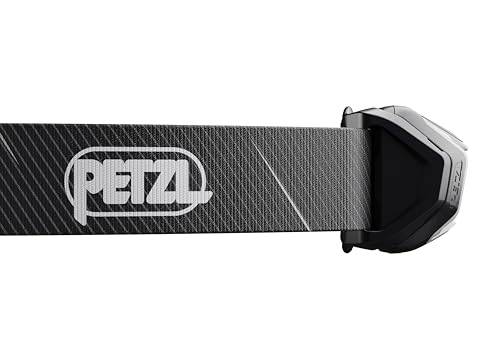
The Petzl Tikka is lighter (about 94 g / 3.3 oz) and feels barely there on long miles. Its symmetrical, washable strap hugs your head without pressure points, so you won’t be fiddling with it every few minutes. The Black Diamond Storm is a bit heavier (~120 g) but compact and low‑profile — it sits snug and stays put during runs, especially if you like a lower forehead fit.
Controls when your hands are cold
If you wear gloves or your hands are shaking, controls matter. The Tikka’s single big button is simple to find by feel — perfect for cold-weather fumbling. The Storm packs more features (PowerTap dimming, mode memory) but its smaller recessed button can be tricky with gloves on. Expect a few awkward presses until you get used to it.
Tilt, close tasks, and real‑world use
The Tikka’s easy tilt plate lets you angle the beam down for map work or stove cooking without removing the lamp. The Storm offers enough tilt for close tasks and keeps the beam steady for trail running and technical moves. On long treks the Tikka wins for comfort; on fast runs or wet tech sections the Storm’s stable fit and compact housing feel more secure.
Durability & Weatherproofing: Will It Survive a Real Storm?
You need a light that keeps working when conditions get nasty. Below we compare how each lamp handles rain, mud, drops, and cold — so you don’t end up stranded with no beam.
Waterproofing & wet weather
The Black Diamond Storm is sold as rugged and waterproof — built to take heavy rain and snow without coughing. The Petzl Tikka is water‑resistant (designed for splashes and light rain), so it’s fine on foggy, drippy nights but you’ll be more careful in a downpour.
Impact toughness & build quality
Storm’s compact polycarbonate body feels tough. It’s heavier but that solidity means it won’t rattle apart after a tumble. The Tikka is lighter and more pocketable; it can survive drops, but its slim plastic housing is less blunt‑force resilient than the Storm.
Cold nights and battery reliability
Storm uses an internal lithium‑ion pack — great runtime and rechargeability, but you can’t hot‑swap batteries on the trail. Lithium packs lose some output in deep cold, so keep it under your jacket when not in use. The Tikka runs on 3x AAA (or Petzl’s optional CORE) so you can carry spare alkalines and swap them anytime — a huge comfort if you’re miles from help.
Important features that reduce the chance of failure when you’re far from help:
Pick Storm if you want weatherproof toughness. Pick Tikka if you want field‑serviceable reliability and easy battery swaps.
Final Verdict: Which Light Won’t Fail Your Night Hike?
Pick the BLACK DIAMOND Storm 500‑R if you want raw power and worry-free runs: 500 lumens, rechargeable battery, and tougher waterproofing mean you won’t be stranded when storms or long nights test you. Buy the PETZL Tikka 350 only if you prize featherweight simplicity, long battery life, and a friendly red light for stealthy camps.
Quick trailhead checklist: charged battery (or spare), secure headstrap, red mode ready, and a compact backup. Trust your headlamp and go.

Bought Tikka for general camping and it’s been rock-solid. The red strobe was actually super useful once when we needed to signal another tent. Definitely recommend for casual users.
Great example of a real-world use. I’ll add a small note about Petzl’s signaling modes for group camping situations.
TL;DR: Bought both. Storm = tiny sun. Tikka = polite flashlight. 😂
Haha — accurate summary. The Storm pushes more lumens; Tikka is more conservative and lighter on power draw.
For trail runners: weight and bounce matter. Tikka = less bounce, less sweat entrapment. Storm = heavier but brighter when you need to see roots far ahead. Your mileage will vary.
Also watch out for glare if you’re running in groups — someone on full beam can ruin your night vision instantly.
Good runner-specific note — I’ll add a short section on group etiquette and beam adjustment for shared trails.
100%: use low or red mode when passing others. Also consider headlamp dimming features: smoother dimming is nicer for group runs.
Thanks — I’ll include diffuser and etiquette tips.
I taped a small diffuser over the Storm when I ran with others — solved the glare without losing too much distance.
Quick pro tip: if you get the Storm, carry a short micro-USB cable in your kit. I charge from my phone power pack on summit breaks and it saved me twice. The Tikka’s replaceable batteries mean you don’t have to worry about cables, though.
Also get a waterproof cable wrap or dry bag — cords get gross in the pack.
If you want no fuss, AA + Petzl is the way. But the USB convenience is hard to beat if you have power sources.
Nice practical tip — adding a ‘what to pack’ sidebar with cables, spare AAs, and small solar panels.
Does anyone find the Storm’s strap a bit stiff? It holds the lamp well but after a few hours I felt pressure on the forehead. Petzl felt gentler. Not a dealbreaker, just fyi.
Try flipping the strap layout or adding a small foam pad behind the lamp. Cheap fix that helped me.
Good observation — strap comfort varies by head shape and helmet use. I’ll note strap stiffness in the comfort section and suggest a thin liner if needed.
Okay, small rant incoming:
I hate when sellers overstate lumen claims. 500 lumens sounds sexy but does that translate to usable beam on a foggy night? The article mentioned beam throw and spill but I’d love to see side-by-side pics.
Also, who else tests these in humid, buggy nights? My experience is dust and sweat make the lens filthy fast and that kills output.
Thanks — I’ll schedule a photo test section comparing beam shape and real-world brightness at 5m, 15m, 30m in clear vs light fog.
If you’re worried about specs, stick with reputable brands (both of these are) and test in-store if possible. Pics help a lot.
Humidity can create glare on the lens — angling the beam lower helped me. Also, diffusion from fog reduces distance regardless of lumens.
Totally hear you — lumen numbers are marketing-friendly. I’ll try to include beam photos and notes about real-world visibility (fog, rain). Cleaning tips will be added too.
Bring a small lens wipe or microfiber in a zip bag. A quick clean on breaks improves output a lot.
I’m mildly clumsy and dropped a headlamp in a creek once. The Storm survived, Petzl would’ve been fine too I think. Just saying: waterproofing matters more than flashy lumens if you’re near water.
Really liked the breakdown — thanks! I went with a Storm last year because I kept getting rained on during backpacking season and the waterproofing saved my butt.
The 500 lumens is annoyingly bright for campsite tasks but great for scrambling. Petzl’s red light is nicer for late-night map checks though.
Curious if anyone tested battery life on the Storm at full power vs medium? I couldn’t find consistent runtimes in the article.
I use the Storm on full for about 2.5 hours before dimming, then switch to medium. Petzl stretches way longer if you mostly use red or low white. Also lighter on the forehead if that matters.
Good question — on high the Storm runs shorter (a few hours at full 500 lm) vs much longer on medium. I’ll add a runtime table to the post with real numbers from field tests.
I wear a beanie and both fit fine, but the Storm’s bulk is more noticeable. Petzl is tiny — less bobble when running. 🙂
Anyone tried mounting these on bikes? I’m guessing the Storm is overkill but the battery life would be nice for long rides. Tikka probably too dim for trail night rides.
I used a cheap clamp with the Storm on bike night rides — bright and consistent. Just make sure wiring and mount are secure; headlamps aren’t designed as primary bike lights.
Storm will definitely serve better for bike mounting, but use a proper mount and check local laws about helmet lights. Tikka is more for close-range tasks.
Five-line epic incoming:
1) I hate charging things. If I can avoid micro-USB cables, I will.
2) That said, the Storm’s extra power is kinda satisfying when you’re on a dark river crossing and need to see the other bank.
3) Petzl wins my vote for ‘grab-and-go’ convenience.
4) Neither is perfect but both beat my old headlamp from 2006 (RIP).
5) Would love a hybrid model: replaceable cells + USB charging. Is that a thing?
Good community recs — I’ll include a ‘look for’ checklist when choosing headlamps: battery type, charging options, waterproof rating, and comfort.
RIP 2006 headlamp — we all start somewhere 😂. Hybrid is rare but some newer models are moving that way.
Haha — hybrid models do exist (some brands offer both options). I’ll add a short note about models with both replaceable batteries and USB charging.
Yes! Some lights have a removable battery pack that you can charge externally. Pricier but great if you want flexibility.
If you like the idea of swappable power, consider carrying a small pack of rechargeable AAs and a tiny charger. Works well with Petzl-style lamps.
I second the hybrid idea. Best of both worlds imo.
I prefer simplicity over raw power. For evening walks and occasional night hikes the Petzl Tikka has been perfect: comfortable, easy to replace batteries if needed, and the red mode actually helps keep wildlife calm (or maybe that’s just me being paranoid lol). No regrets.
Long-term trip question:
I’m planning a 4-night solo hike with minimal resupply. I want reliability and minimal charging fuss.
– Is the Storm’s rechargeable battery a pain if I can’t charge every day?
– Does the Petzl accept standard AA replacements on the trail (so I can carry spares)?
Also, how do they compare in freezing temps? Batteries hate cold and I’d rather not be left in the dark on a windy ridge.
If you care about weight, bring extra AAs for the Petzl. Easier than hauling a heavy power bank. YMMV.
On a winter trip I kept the headlamp in my sleeping bag when not using it and it helped a lot. Also bring lithium AAs if you use Petzl in cold — they handle cold better than alkaline.
FWIW the Storm’s waterproofing is legit — I was in a sleet storm and it kept going. But yes, internal battery requires some planning.
You can get a small solar panel and charge the Storm during breaks. Not ideal but works if you plan ahead.
Good points — Petzl Tikka does accept AA batteries (many models do) so you can swap on the trail. The Storm is rechargeable (internal battery) so you need a power bank or solar charger for multi-day trips. Cold reduces runtime for both; keep a warm pocket for spare batteries or the lamp when not in use.
I’ll update the article with a quick ‘multi-night / cold-weather’ checklist comparing the two. Thanks for the practical question!
I mostly climb and do a few long runs at night. For climbing the Petzl sits closer to the head (less torque) which I liked. For mountain runs I want something rechargeable so I can top off quickly.
It feels like the Storm is aimed at people who need power; Petzl is for lightweight comfort. Anyone else think the same?
Yep. For technical climbs I always pick the lower-profile Petzl to avoid hitting my helmet. For ridge runs when I want to see farther, Storm wins.
Also consider the mounting options: some folks mount the Storm on a helmet for SAR work; it’s versatile but heavier.
That’s a fair takeaway — Storm = power + waterproofing, Petzl = compact + simplicity. I’ll add a short ‘best for’ bullet list to make that clearer.
Agree. On rocky scrambles I didn’t want the lamp bouncing either — Petzl kept a lower profile.