

Blog, Navigation & Electronics
SPOT Gen4 vs Garmin inReach: Which Fits Your Adventure?

May
Want peace of mind on your wildest trips—does the pocket-sized SPOT Gen4 keep you stress-free, or is the Garmin inReach the trusty lifeline you’ll thank when things go sideways?
Don’t get lost — get rescued! You want a reliable way to call for help and stay connected when trails go wild. This quick guide compares SPOT Gen4 and Garmin inReach so you can pick the one that keeps you safe, sane, and smiling on adventures.
Ultralight Backup

You get a powerful, featherweight safety tool that keeps you connected when cell service drops. It balances long battery life with solid two‑way messaging and app features so you can navigate and call for help with confidence.
Simple Lifeline

You get a straightforward, tough device that tells people where you are and calls for help when needed. It’s ideal if you want a no‑nonsense lifeline, but it’s not as nimble or as chatty as true two‑way systems.
Garmin Mini 2
SPOT Gen4
Garmin Mini 2
SPOT Gen4
Garmin Mini 2
SPOT Gen4
Safety & SOS: Who Gets You Home Faster?
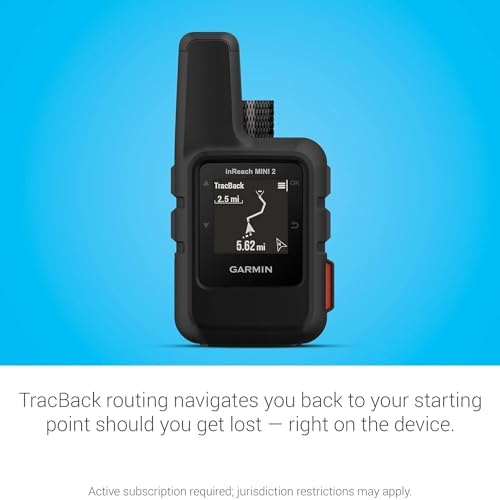
Garmin inReach Mini 2 — two-way peace of mind
When things go wrong, you can actually talk. The inReach Mini 2 uses Iridium for true two-way texting, so you can tell rescuers exactly what’s wrong, get status updates, and receive weather alerts. It also has interactive GEOS SOS monitoring and TracBack routing to help you find your way back. It’s tiny and light, so you won’t notice it on a long day.

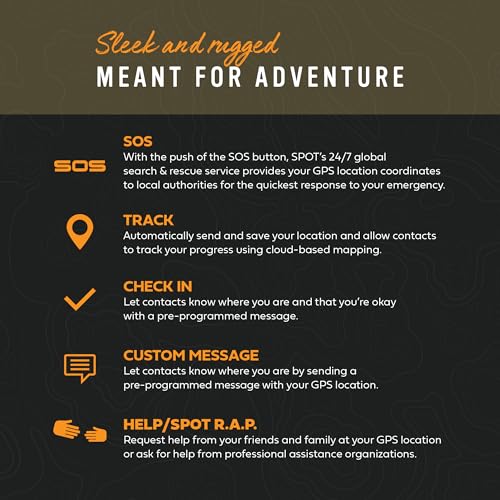
SPOT Gen4 — simple one-button SOS and tracking
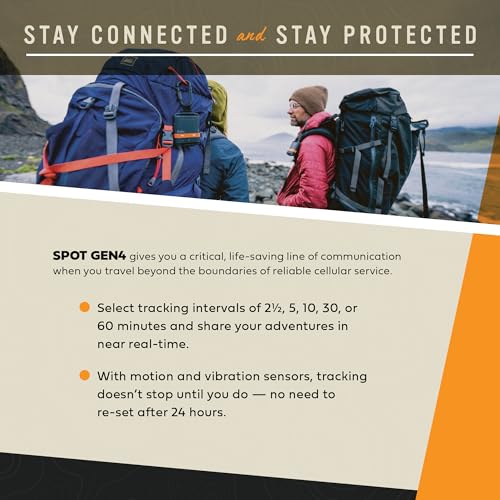
SPOT Gen4 gives you a big, obvious SOS button and tracking over the Globalstar network. It sends one-way SOS alerts and location info to responders and your contacts. That simplicity is great if you want rugged reliability, but you can’t have a back-and-forth chat — so time-sensitive details may be lost. SPOT uses replaceable batteries and motion-activated tracking for long trips.
Fast facts you care about
Features, Mapping & Messaging: What You'll Use Day to Day
Garmin inReach Mini 2 — full control when you need it
You get true two-way texting, weather forecasts, and the power to pair with the Garmin Explore app or other Garmin devices. That means you can type a custom message to calm worried family, use preset replies when your thumbs are frozen, and follow breadcrumbs or TracBack when you pair it for navigation. The tiny screen and buttons can be fiddly, but the tradeoff is real control and useful situational updates.


SPOT Gen4 — simple, press-and-go comfort
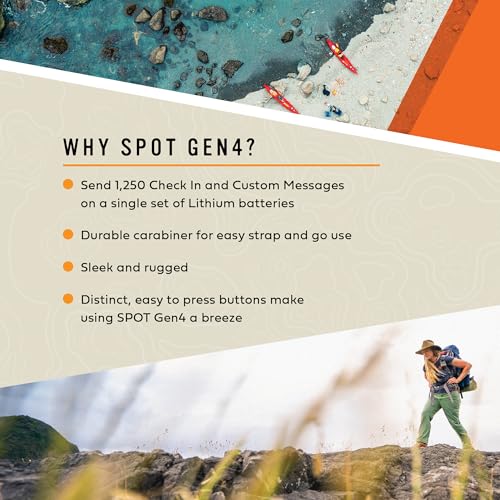
SPOT Gen4 is built for “no thinking” moments: a big SOS, quick Check-In pings, and straightforward tracking over Globalstar. You can tell people you’re OK without typing. It uses replaceable batteries and motion-activated tracking for long trips, so you won’t be hunting for a charger. But you can’t carry on a conversation or get detailed map routing from the device alone.
Daily tradeoffs to think about
Feature Comparison
Cost, Plans & Practical Use: What You’ll Actually Pay
Upfront vs long‑term
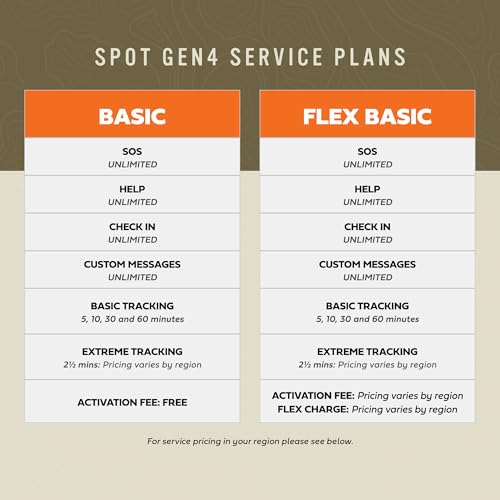
You’ll pay more up front for the Garmin inReach Mini 2 (about $250) and get two-way texting and richer features. The SPOT Gen4 starts cheaper (around $150) and gets you basic SOS and check‑ins. But cheap up front isn’t the whole story — if you rely on the SPOT’s limited messaging, you might buy a backup device or pay for faster rescue options later.
Subscription types & hidden fees
Garmin and SPOT both need a subscription. Garmin pushes you toward higher tiers if you want unlimited messages, active tracking and weather. SPOT’s low-tier plans save money but cap messages and tracking frequency. Watch for:
Practical pick for your rhythm
If you hike once a month and want simple peace of mind, SPOT’s low cost and replaceable batteries fit you. If you thru‑hike, guide, or need real conversation and family tracking, Garmin’s higher plan costs are worth the ease and reliability. Ask: do you want the cheapest plan, or the one that actually keeps your loved ones calm?
Final Verdict: Pick the One That Calms Your Fear
Garmin inReach is the clear winner, offering two way messaging and reliable rescue that gives you real confidence on serious trips.
Choose SPOT Gen4 if you want simple, lower cost check ins. Ready to feel safer?

Been using a Spot Gen4 for 2 years. Pros: cheap, battery lasts ages in tracking mode, SOS works (had to use once). Cons: messages take forever sometimes and the live tracking isn’t as snappy as Garmin.
If you value low cost and long battery for non-technical trips: Spot.
If you want faster two-way comms and better coverage: Garmin.
Thanks for the firsthand report, Carlos — that’s exactly the balance we wanted to highlight.
Hannah — yes, response was within the timeframe they promised. Stressful but worked. Just be sure to have your location settings correct before you head out.
Did Globalstar respond quickly when you used SOS? Curious about their emergency handoff speed.
Emergency response times can depend on the bridge between Globalstar/Iridium and local rescue services. Good to keep expectations realistic and have a trip plan.
I’ve seen Spot SOS times vary regionally. Good that it worked for you.
Thought the Spot was rugged but mine took a tumble and the screen cracked easily — kinda disappointed. Garmin seemed sturdier in stores but that could be placebo.
Sorry to hear that, Grace. Build quality can vary in real-world drops. Plastic casings protect against weight but not always impact angle. Consider a case or clip to reduce fall risk.
You can get a silicone sleeve for the Spot that helps. Not perfect but better than nothing.
Battery life varies a lot: Garmin battery drains faster if you’re doing continuous tracking + messaging; Spot can do long battery stretches if you only log few points. I tested both — Garmin about 6-8 days on medium use, Spot 10+ days on similar settings. YMMV.
Did you use external power packs or just device battery? I’m looking at long desert trips where recharging is a pain.
Solar + power bank combo is a solid approach for extended trips — plan for worst-case power consumption.
Nora — I carried a small solar panel and a compact power bank. For longer trips definitely bring recharging options if you need frequent updates.
Good real-world numbers, Ethan. Device settings (tracking interval, paired phone usage, satellite checks) make a big difference.
Spot Gen4 is way cheaper upfront and has decent battery life. If you’re on a budget and mostly stick to trails, it’s fine.
Yep, bought a Spot for weekend camping and it’s been fine. If my routes get gnarlier I’ll upgrade to Garmin though.
True — Spot’s price + simple SOS is attractive for casual hikers. Just keep the Globalstar coverage limitations in mind for remote/technical trips.
Subscription plans confuse me — does Garmin require a pricier monthly plan for full features? I don’t want to be surprised after buying the unit.
Garmin inReach requires a subscription for messaging, tracking, and SOS services. They offer various tiers — from basic emergency-only to full two-way messaging and unlimited tracking. Spot offers similar tiers but typically cheaper; compare plans based on how often you’ll use the device.
Pro tip: If you only use SOS occasionally, get the lowest plan and upgrade when needed. But if you’re texting regularly, the mid-tier is worth it.
Size-wise both are fine, but the Mini 2 feels like less of a gadget to carry. Pairing with phone for maps is slick on Garmin.
No replies needed, just sharing my tiny take.
I gotta say, the whole Iridium vs Globalstar debate blew my mind when I first looked into these. Iridium literally has better pole-to-pole coverage because of the constellation — that’s not marketing fluff.
Spot’s Globalstar is fine in many places, but read the fine print about where it struggles. If you’re heading into the high Arctic, don’t gamble on Globalstar. Also, Spot’s messaging is clunkier imo.
Also worth noting: firmware and network updates can change performance over time, so check recent user reports before a big trip.
Good point about the messaging. Garmin’s two-way is such a tiny feature that becomes massive when you need to coordinate rescue or route changes.
Fun fact: Globalstar has improved a bit recently but still not as ‘everywhere’ as Iridium. If you want reliability > cost, go Garmin.
Correct — Iridium’s mesh gives it an edge at high latitudes and in shadowed terrain. We emphasize that in the article for folks planning extreme expeditions.
I accidentally hit SOS once while fumbling with my glove 😂 had search teams call me — mortifying. Learn the button combos folks.
Oof — that’s a classic. Both devices have safeguards but accidental activations happen. Test your device in a non-emergency and learn the activation sequence.
Nice breakdown — I ended up choosing the Garmin inReach Mini 2 for my alpine trips. The Iridium network just gives me peace of mind when I’m above tree line.
Battery lasted me 10 days on intermittent check-ins (not continuous tracking). The size is great, and two-way texting actually saved our bacon once when plans changed.
Question for others: anyone used the weather forecast feature in real storms? Worth the extra subscription?
I rely on the weather alerts when heading into alpine cols. It’s not perfect, but it gave us a heads-up once when a front rolled in. Worth it if you’re doing multi-day exposed routes.
Thanks for sharing, Megan — great real-world insight. The Mini 2’s weather reports can be helpful, but they depend on receiving satellite data in time; in heavy storms you may get delayed updates. Still better than nothing.
Agree on the Iridium point. I had a Spot Gen4 drop out in a valley once — felt sketchy. Garmin = more consistent for me. ✅
Long post: I do thru-hikes and carried both at different times. The Garmin inReach Mini 2 felt like an investment in safety — smaller than I expected and integrates with my Garmin watch/map. Two-way texts saved me from hiking into canyon at sundown once.
Spot Gen4 was my weekend-warrior device: cheaper, rugged, and the battery is forgiving. But when I started doing remote multi-day sections, I switched to Garmin.
Final thought: choose based on where you walk. Don’t buy the cheapest if you’re going remote.
Glad it helped — and yes, check coverage maps before committing to the cheaper option.
This helped me decide — weekend vs thru-hike use-case framing is perfect. Thx!
Excellent long-form experience — that’s the kind of practical advice readers need. Thanks for detailing both use-cases.
Technical nit: Garmin’s inReach supports GPX waypoint upload and integrates with some mapping apps via Bluetooth. Spot Gen4 basically sends tracks and simple messages. If your workflow needs waypoints and routing, Garmin is the only legit choice.
Also battery tests differ depending on track interval; don’t trust marketing numbers blindly.
Can someone confirm whether the Mini 2 pairs reliably with Gaia GPS? I’ve had issues pairing once.
Firmware and app compatibility notes: always keep devices and apps updated before a trip. That avoids many pairing headaches.
Yep, pre-trip checks save headaches. Carry a spare battery pack for your phone too if you depend on handset maps.
Ivy — it pairs fine but update both apps and the device firmware. Bluetooth on phones can be finicky after OS updates.
Correct — Garmin’s app ecosystem and GPX support are major advantages for navigational workflows. We mention this in the device feature comparison section.
Also test the pairing at home — don’t rely on doing it first time in the field.