

Camping Furniture
What Camping Furniture Is Needed for a Comfortable Campsite?
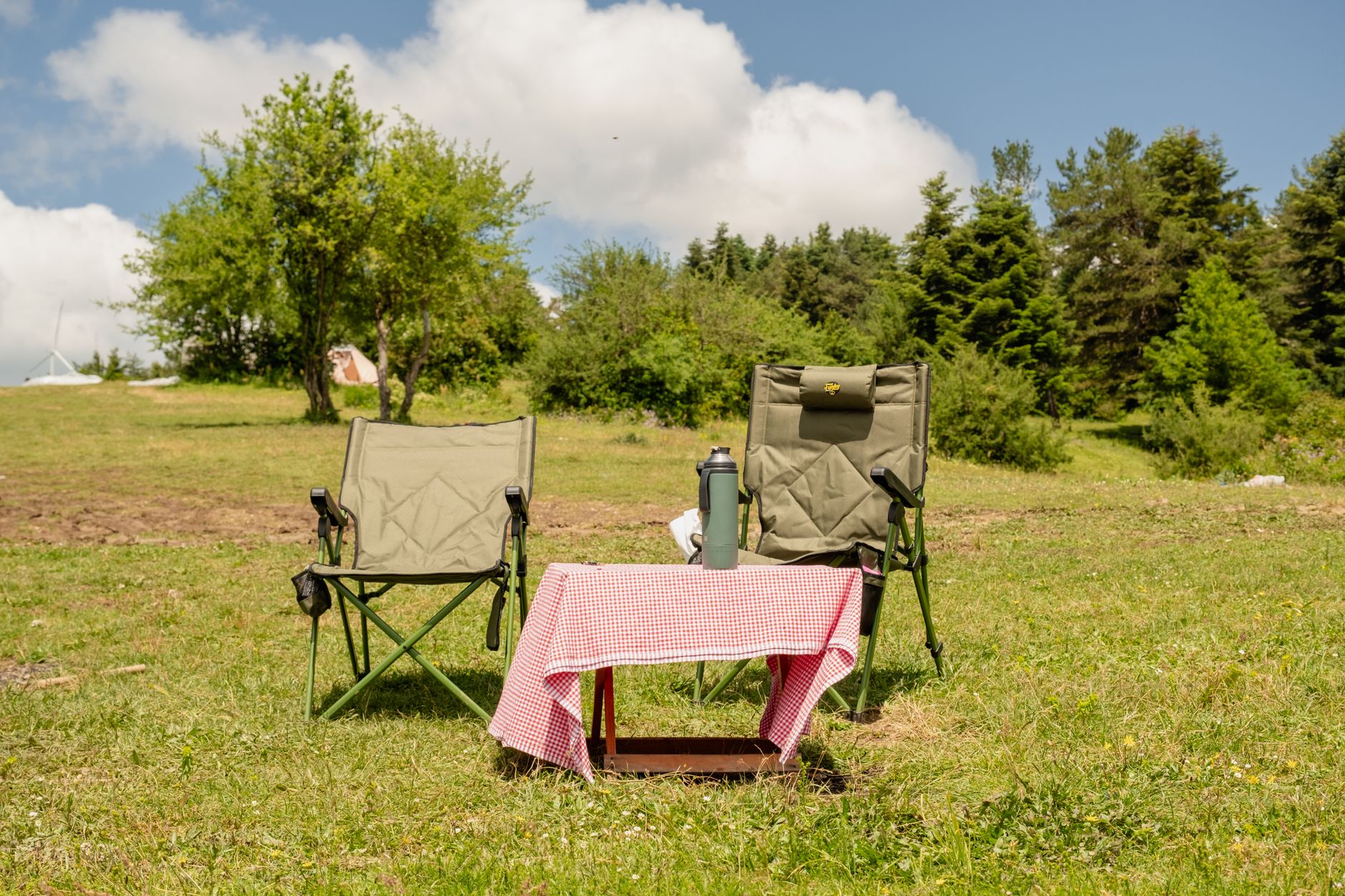
Sep
A campsite can be fully equipped and still feel awkward to live in.
At dinner, one person balances a plate on a knee while the cook searches for a clean place to set a pot. Chairs and a table with a firm, wipe-clean top make that routine easier, but their dimensions matter: a low table may suit lounging yet feel awkward for food preparation. Compare table height with chair seat height, and consider adjustable legs if the ground is uneven. Packed size matters as much as weight when vehicle space is tight; rigid tables and oversized loungers can take up more room than their campsite footprint suggests. Furniture earns its place when it supports a routine that happens often enough to justify carrying it.
Start with seats and a table
At minimum, a campsite needs suitable seating and, unless a picnic table is provided, a stable surface for eating and preparing food. A cooler lid may hold a drink, but it makes a poor cutting station or shared dinner table.
A chair with back support suits long evenings; a stool saves packing space on short stays. Low lounge chairs are comfortable for relaxing but can make table meals awkward, especially when their armrests prevent them from sliding close to the edge.
For a separate table, look for a wipe-clean top with room for plates and a cutting board without crowding. Place it near the cooking area while keeping access to seats and walkways clear. A small side table or hanging organizer can hold headlamps, mugs, and other frequently used items without taking over the food-preparation surface. A camp stove belongs only on a surface its manufacturer permits; lightweight tabletops may not tolerate heat.
Match the furniture to the trip
-
Packed shape, not just packed size
A compact bundle is useful only if it fits alongside the rest of the load. Long folded frames may be harder to place in a crowded vehicle than slightly bulkier, shorter bags; packed weight also matters when gear must be carried from parking to camp.
Look forMeasurements that fit the actual loading space and carrying distance.Watch out forChoosing by folded volume alone. -
Setup effort
Pop-open frames can make a short overnight stop easier, while pole-assembled furniture often packs smaller but takes more time to build and repack. Small components also need somewhere clean to go during setup.
Look forAn assembly process suited to the number of camp moves.Watch out forA tiny pack size that adds unwelcome work at every stop. -
Footing on the expected ground
Narrow chair feet and table legs can sink into sand or soft soil. On sloping or rocky pitches, a wider stance and adjustable table legs may do more for comfort than a lighter frame.
Look forBroad feet, a steady frame, and adjustment where needed.Watch out forJudging stability only on a level showroom floor. -
Comfort over the length of stay
For several days in one place, back support and a usable tabletop may justify extra cargo space. For frequent moves, a simpler seat can be a reasonable trade-off.
Look forComfort proportionate to time spent sitting and eating at camp.Watch out forAssuming the smallest packed option will feel easiest to live with.
Choose chairs for the way camp runs
Low sling chairs suit fireside lounging and low tables, but a deep seat can lift knees above hips and make standing harder. Compact pole-frame chairs save packing space; check whether the fabric supports thighs without a tight front edge. A narrow footprint may feel unsteady when someone leans sideways.
Upright chairs often pair more comfortably with a dining table. Compare seat height with the table’s underside as well as its top: knees need clearance, while forearms should reach the eating surface without raised shoulders. A weight rating indicates capacity, not how far the seat sags or how much the frame shifts under a changing load.
On site, test the chair on level ground before settling in. Narrow feet concentrate weight on sand or damp soil; keeping chair legs from sinking may require broader contact points. Also check for frame movement when pressing on the armrests to stand.

This director-style chair has a steel frame, armrests, and an attached side table for drinks or small items. Its listed capacity is 300 pounds.
It weighs 13.4 pounds and folds to a relatively flat 20-by-19-by-5-inch package. Check its seat height and footprint against the campsite’s dining setup.
Give the table a job
A side table can hold drinks and lanterns without taking over the seating area. Meals and board games need more uninterrupted space: allow room for plates or a game board and elbows. Food prep benefits from a firm, wipeable surface, especially when chopping or handling a camp stove. Keep stove placement within the table maker’s guidance, since heat and concentrated weight can damage some tops.
Check the space below as well as above. Crossbars and splayed legs can block knees even when the tabletop looks wide enough. For seated meals, compare table height with the chairs in use; a taller surface may suit standing prep but make dining awkward. Adjustable legs offer flexibility, though every joint is another point to check for play.
Test stability on the ground where the table will stand, not just on a flat shop floor. Four fixed legs can rock on rough terrain; leveling a table on uneven ground may take more than shifting its position. A family-sized top earns its packed space when several people regularly eat or play together. Otherwise, a smaller table often leaves more room to move around camp.

This four-foot table offers room for shared meals or games. Its height adjusts from 20.5 to 29 inches.
The top folds in half and has a built-in carry handle. Steel legs add structure, but check knee clearance and footing before relying on it for seated dining.
Decide whether raised storage earns its space
Before adding a cabinet, check whether labeled bins already keep cooking gear within reach. If the table stays clear and nobody has to unpack three containers to find a mug, another piece of furniture may add more setup than convenience.
Raised shelves become more useful on longer stays, especially when several people share a cooking area. They make small items visible and can keep the table available for food preparation. The trade-off is another footprint beside the table, plus a place to pack the cabinet when camp breaks down. Check shelf capacities separately from the top capacity: a cabinet that holds a stove on top may still have much lighter-duty shelves.

This pop-up cabinet has three inner shelves and a top for snacks or serving items. The listed limits are 11 pounds per shelf and 33 pounds on top.
It folds into an included carry bag. Its quick-opening design reduces assembly steps, but the cabinet still needs floor space at camp.
A fabric cabinet organizes supplies; it does not replace sealed containers or campsite food-storage rules. Keep gear dry and store food according to local requirements.
When extra furniture earns its space
Cots suit longer stays or campers who find getting up from ground level awkward. Check assembled dimensions against the tent floor, leaving room to move around the frame. Elevation alone does not replace an insulated sleeping pad in cold weather.
A footrest may be worthwhile for extended lounging, particularly beside a reclining chair; check that both pieces sit securely on uneven ground. A side table keeps drinks and lights off the meal-prep surface, though a chair-mounted shelf can serve the same purpose with less bulk.
A cooking stand gives a stove its own working surface when the main table is crowded. Its top must support the stove securely and meet the manufacturer’s clearance and heat guidance; a lightweight side table may not qualify. Compare folded dimensions, not just assembled usefulness: a cot, stand, and extra table can consume substantial vehicle space. For short trips or smaller cars, an insulated sleeping pad and one multipurpose table may leave more room for essential gear.
Build a setup around the length of the stay
Overnight stop
Pack one compact chair per person and a small folding table for meals and sorting gear. If the site has a picnic table, leave the folding table behind unless it is too far from the tent to be convenient after dark. Quick-fold furniture makes more sense here than pieces requiring several assembly steps.
Family weekend
Bring a seat for each camper and a dining table with enough room to eat without crowding dishes together. A separate prep surface helps keep cooking equipment out of the dining area. When a picnic table is available, use it for meals and pack only the prep surface; check any stove’s clearance requirements before placing it on a table.
Longer base-camp stay
Keep the dining and prep surfaces, then consider a raised shelf for frequently used supplies and a small side table beside the seating area. These additions save repeated trips to bins, but need enough level ground to remain useful. A picnic table can replace the dining table, freeing packed space for storage or more comfortable chairs.
Set furniture where it stays stable
-
Check the ground
Clear sharp debris and look for soft soil, roots, and slopes before unfolding anything.
-
Place and level the furniture
Set chair feet on firm ground; use suitable foot pads on soft soil. Adjust table legs rather than balancing them on loose stones.
-
Check for movement
Engage frame locks, then apply light pressure to check for rocking before loading the furniture.
-
Leave a clear route
Keep chair legs, table corners, and storage units out of the path between the tent, cooking area, and water.
-
Allow for heat
Keep furniture clear of fires and stoves, following equipment clearance instructions; radiant heat can damage fabric and plastic.
Dirt, damp fabric, and a loose fastener that can be properly retightened are maintenance issues. Retire a chair with a bent frame, cracked joint, missing locking pin, or torn load-bearing stitching; cleaning or tightening will not restore its structural strength.
Before packing, check whether the campsite provides a picnic table, benches, or a usable cooking surface. Duplicating them can consume valuable vehicle and pitch space. Next, choose enough stable seating and a table sized for the meals and tasks planned. Add shelves, side tables, or loungers only when a specific routine calls for them.
Confirm packed dimensions against vehicle space, open dimensions against the pitch, and each item’s stated load rating. If possible, set everything out at home to catch blocked walkways, tight chair clearance, and crowded work surfaces.
