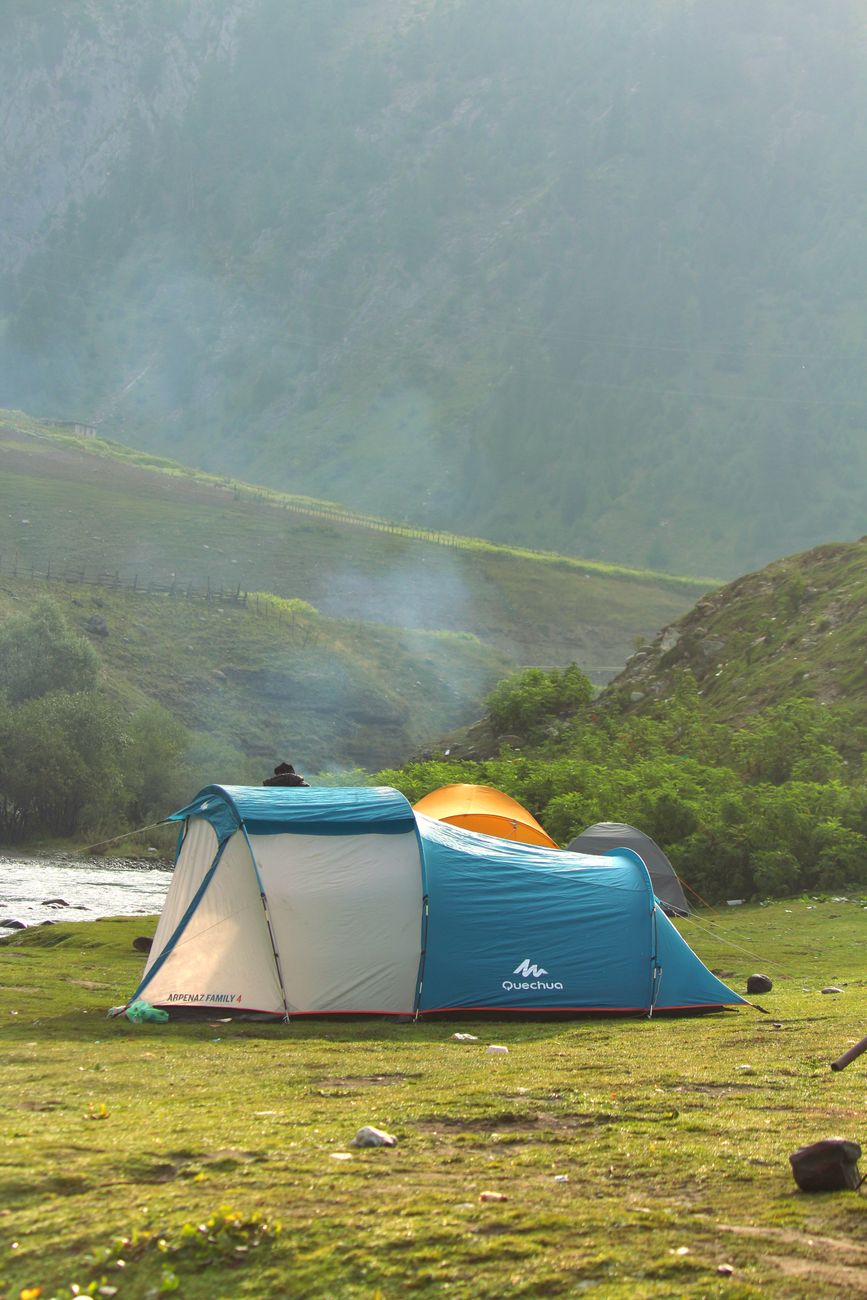

Before unpacking, watch grass, cloud movement, or blowing dust for several minutes. Note the prevailing direction, the strongest gusts, and whether the wind keeps shifting; one gust is a poor guide to orientation. If it swings widely, look for shelter from more than one direction. The flattest ground is not always the calmest. Saddles, narrow […]
Author Archives: expeditionry
ADD ALL TO CART A quick rinse can use little water: wet skin, shut off the flow, then rinse again. Long hair takes more, especially when rinsing shampoo from the roots. Sunscreen and trail grime often need a soapy washcloth first; spraying alone may only move them around. For several campers, a small bag can […]
A damp tent interior does not necessarily mean a seam has failed. Condensation forms broadly on the underside of the fly, often after a humid night; a seam leak usually produces a localized drip or wet trail during rain. If a slack fly touches the inner tent, or water pools above it, correct the pitch […]
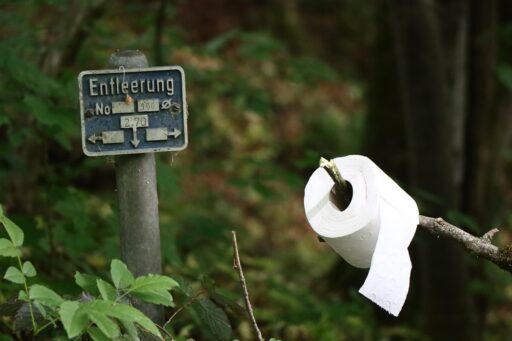
A trowel is useful only where digging a cathole is permitted. Before selecting gear, check the land manager’s current guidance for the specific campground, trail, or backcountry zone. Rules can change between neighboring areas or by season; permission to dig at one site says nothing about another. Look for four practical details: If guidance is […]
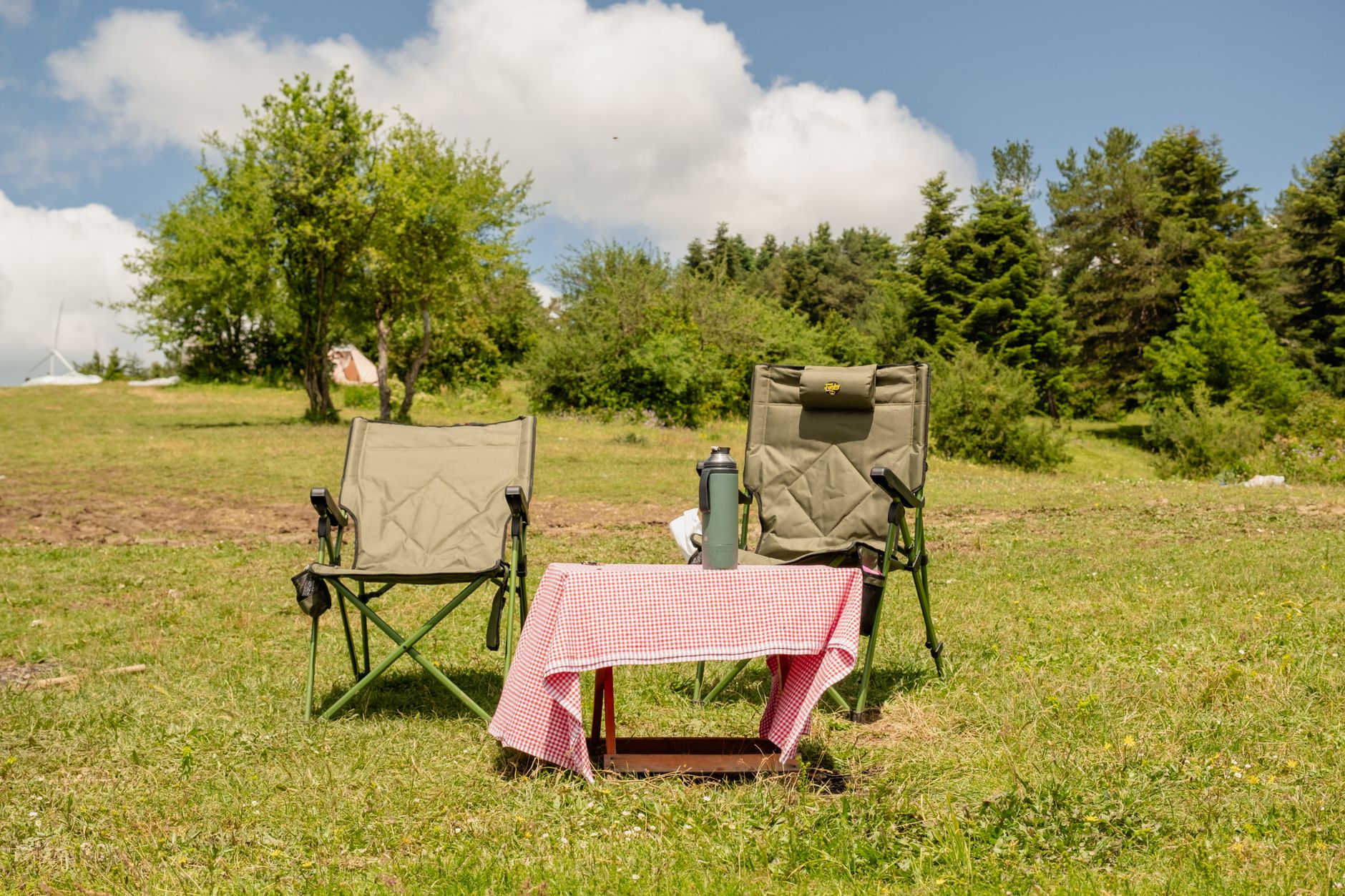
ADD ALL TO CART At minimum, a campsite needs suitable seating and, unless a picnic table is provided, a stable surface for eating and preparing food. A cooler lid may hold a drink, but it makes a poor cutting station or shared dinner table. A chair with back support suits long evenings; a stool saves […]
A 2.5-layer shell pairs a waterproof membrane or coating with a thin protective print on the inside. It often packs smaller and weighs less, making it appealing for occasional showers or trips where the jacket spends most of its time in the pack. That inner surface can feel sticky against bare arms, and repeated rubbing […]
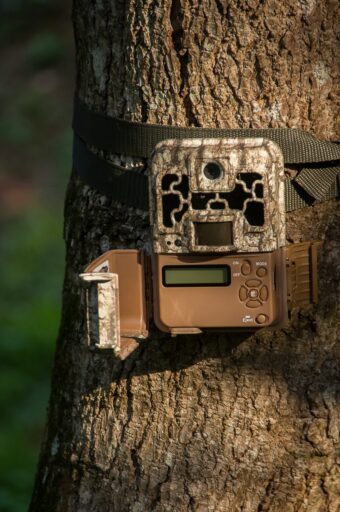
A camera beside a public trail, gate, or well-used access road faces a different risk from one deep on private ground. Casual passersby may remove an exposed camera simply because it is easy to reach. A steel box and locked cable can make that opportunistic theft less convenient, though neither prevents a determined person from […]
ADD ALL TO CART A low-cost camera does not need to document every passing animal. It needs to produce decision-grade evidence often enough to support the job at hand. Four tests matter more than a long feature list: Match the camera to the question For broad inventory, the evidence threshold is modest: which species use […]
ADD ALL TO CART A WAG bag should be tested as a camp-to-approved-endpoint system, not merely as a container that survives the hike out. Before departure, identify where the sealed waste will be accepted: a campground vault-toilet collection point, a designated human-waste receptacle, or another facility explicitly authorized by the managing agency or municipality. Do […]
For a first set, place the center of the camera lens about 30–40 inches above the ground. Measure from the actual ground surface beneath the unit, not from a rock, root flare, or the high side of a slope. This puts the lens near the chest zone of an adult deer on level travel routes. […]