
Backpacks, Bags & Accessories, Blog
Choose the Comfy Pack for Your Hikes: Atmos vs Baltoro
Nov
Which pack will finally stop your shoulders from screaming after mile five—Atmos’ cloud-like comfort or Baltoro’s rock-solid support—so you can enjoy the trail, not pain?
You want a pack that feels like part of you on the trail — not a pain in your shoulders. This guide helps you pick between the Osprey Atmos AG 65 and Gregory Baltoro 65 for comfy, confident hikes always.
Ultra Comfortable

You’ll notice the load melts away thanks to the body-hugging suspension, so long walks feel easier. The pack breathes well and keeps your gear organized, but it isn’t the lightest choice if you count every ounce.
Dynamic Comfort

You’ll get a rock-solid, body-hugging fit that carries big loads without hot spots, so long miles hurt less. It’s built for comfort and organization, though it feels a touch heavier in profile and breathes a bit less than the mesh-wrap style.
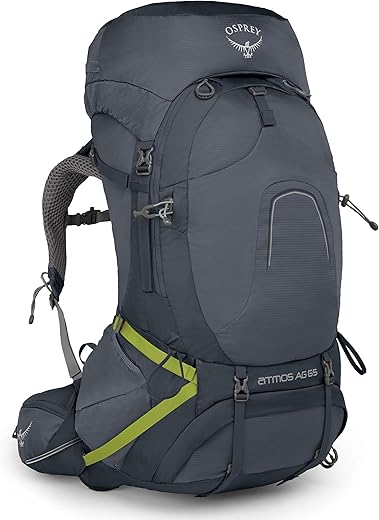
Osprey Atmos 65
Gregory Baltoro 65
Osprey Atmos 65
Gregory Baltoro 65
Osprey Atmos 65
Gregory Baltoro 65
Fit & Comfort: No More Sore Back or Wobbly Loads
Osprey Atmos AG — it hugs and floats the weight
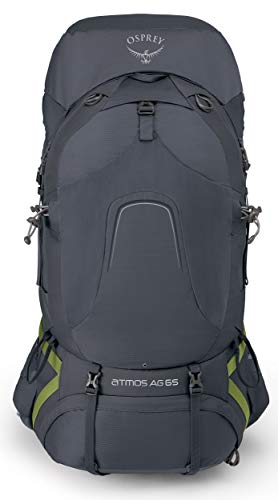
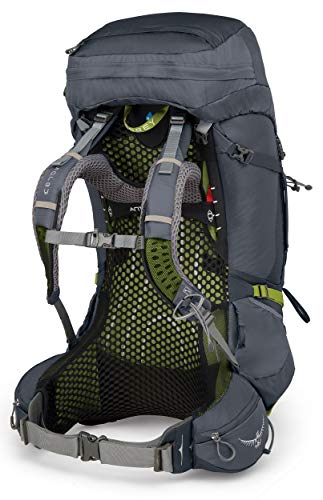
The Atmos uses Osprey’s Anti-Gravity (AG) wrap to spread weight across your back and hips so the pack feels lighter mile after mile. The mesh harness and Fit-on-the-Fly hipbelt let you fine-tune the fit quickly, which cuts pressure points and shoulder burn. If you hate hot spots and want a pack that almost disappears on your back, this one hugs you tight without pinching.
Gregory Baltoro — locks weight on your hips and stays steady
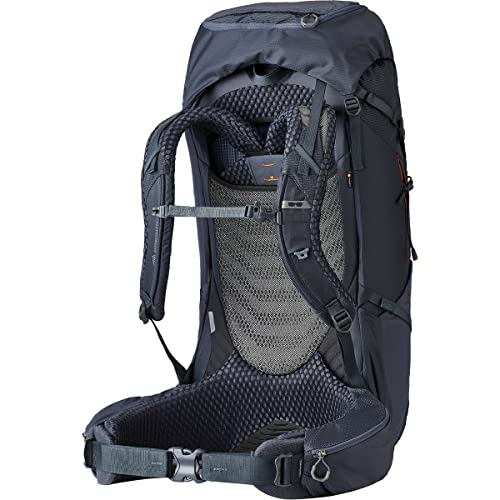
The Baltoro’s FreeFloat suspension and AirCushion hipbelt are built to lock heavy loads to your hips so you don’t feel everything bounce. Rotating straps and a cushy lumbar pad keep the pack stable as you climb or cross rocky terrain. If you carry big loads or want a “no-bounce” feel when moving fast, this pack gives you confidence.
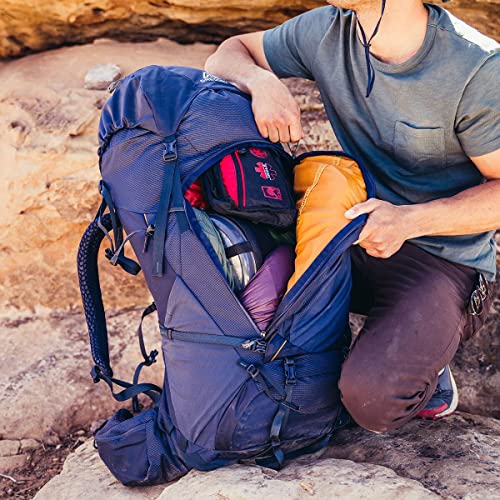
Who should pick which
Quick fit & pain-spot tips
Ventilation & Carry Feel: Keep Your Back Cool and Stable
How each system moves air and controls bounce
The Atmos’ Anti-Gravity wrap uses a big mesh sling that hugs your back but leaves a gap for airflow. You feel like the pack is floating — less sweat, less cling, and fewer stops to wipe your shirt. The Baltoro trades a bit of airflow for a plush system: AirCushion + FreeFloat cradles your back and isolates movement so heavy loads don’t slam you. That cushion feels great, but it holds a bit more heat.
Real trail scenarios — what you’ll actually notice
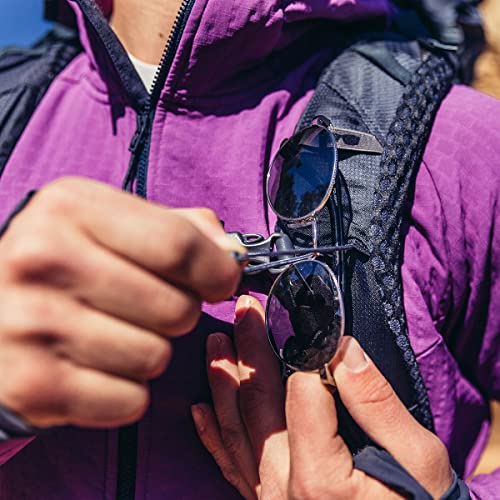
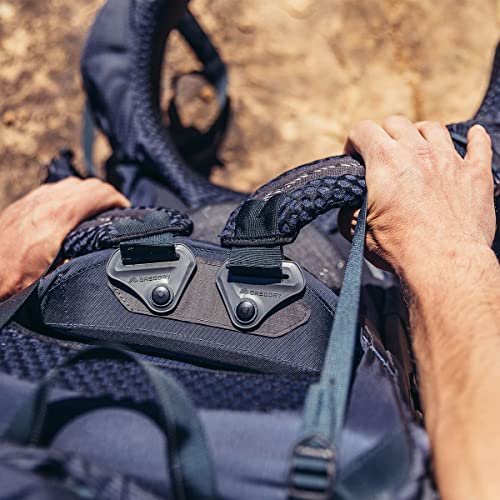
Quick, real-feel tips you can use
Organization & Access: Find Your Gear When You Need It
Nothing kills momentum like digging for a rain jacket. This section breaks down pockets, sleeping-bag access, hipbelt pockets, side stretch pockets, and lid configurations. You’ll see how Atmos’ simpler layout favors neat, fast packing and lighter loads, while Baltoro’s pocket-rich design gives you a place for everything and easy access without unpacking. I’ll highlight which system saves time, reduces fumbling at cold breaks, and keeps small valuables secure so you stay focused on the trail, not the bottom of your pack.
Pocket layout — quick stash vs. lots of homes
The Atmos keeps it simple: a big front stretch mesh for your rain shell and a couple of top-lid zip pockets. That means when you stop, you reach, grab, and go — everything has a natural home so you’re not emptying the main compartment every time.
The Baltoro gives you more pockets and more choices. You get multiple pockets on the lid, roomy hipbelt pockets, and organized exterior storage so you can pull snacks, maps, or layers without unpacking.
Hipbelt & valuables — grab what matters
The Baltoro’s hipbelt pockets are roomy and easy to unzip one-handed — perfect for snacks, phone, or a small camera while moving. The Atmos hip pockets are handy too, but some users find the zippers stiffer to open with one hand.
Sleeping-bag access & lid options
Atmos offers a tidy removable lid and a FlapJacket option for lidless packing — neat for fast, light setups. Baltoro’s larger lid and pocket array give you more organized access to overnight essentials without digging to the bottom.
What saves you time on trail
Durability, Weight & Value: Tough Trails or Fastpacking?
Materials & frame — tough shell or speed-sharp feel
Think of the Atmos as built to make you move: it features a wraparound suspension that makes loads feel lighter so you expend less energy on long miles. The Baltoro leans into structure — more frame, more padding, more pockets — so it feels tank-like when you need to carry heavier loads. That extra structure trades off speed for stability and protection.
Real-world wear — zippers, fabric, and scuffs
You’ll bang both packs on rocks and branches. The Baltoro’s thicker panels and reinforced seams hide dings better; straps and hipbelt take abuse without collapsing. The Atmos uses lighter materials and clever suspension, so it’s easier on your legs but you’ll want to avoid dragging it across sharp rocks. Both use heavy-duty zippers and solid stitching, but if you plan to grind through bushwhacks, Baltoro tolerates rough treatment with less worry.
Repairs, warranty & peace of mind
Osprey’s All Mighty Guarantee is a huge emotional win — you can send a worn pack in for repair and feel confident it’ll come back. Gregory also supports repairs and stands behind its packs, and the Baltoro’s solid build means fewer trips to the shop in the first place.
Which to baby and which to beat up
Feature Comparison Chart
Final Verdict — Pick the Comfy Pack That’s Right for You
No single winner: pick the Osprey Atmos if you crave lightweight, ventilated speed — it beats sweat and keeps miles feeling easy. Choose the Gregory Baltoro if you want plush hip support, tons of pockets, and confidence hauling heavy loads without aching hips or lost gear.
Ready to stop suffering on the trail? Grab the Atmos to stay cool and fast, or the Baltoro to carry more and smile at summit.

Short take: both packs are comfy but for different reasons.
– Atmos = floating comfort, amazing ventilation, lighter feel on long uphill stretches.
– Baltoro = monstrous organization, better when you need to actually carry a lot of random gear and access it quickly.
If you’re thru-hiking lightly, lean Atmos. If you’re packing a lot (camera, extra clothes, cooking gear) and want structure, Baltoro’s your friend.
Also — the Baltoro felt more ‘serious’ and durable to me, but it’s heavier. Trade-offs.
Thanks Marco — real weights are super helpful for buyers. Good data point.
Also worth mentioning: the Baltoro has more external gear attachment options if you like stropping stuff to the outside.
I used a luggage scale and Baltoro was ~8-10% heavier out of the box than Atmos. But once loaded, the weight diff felt smaller due to Baltoro’s stability.
I disagree on the ‘serious’ bit — Osprey’s build feels durable too. IMO both are high quality; it’s more about design priorities.
Nice summary, Noah. Do you recall the weight difference you noticed in the packs (manufacturer listed vs real-world feel)?
Love the look of the Alaska Blue Baltoro but ouch the price 😬. Anyone find big discounts or used deals? 😅
I snagged mine on a Black Friday deal last year — nearly 25% off. Patience pays off!
Watch for end-of-season sales and reputable used gear platforms. Local outdoor stores sometimes have last-year colors on sale.
Took both the Atmos AG 65 and the Gregory Baltoro 65L on a 4-day trip and here’s my messy breakdown:
– Baltoro has crazy useful pockets and that AirCushion backpanel is legit comfy.
– Osprey’s Anti-Gravity feels more integrated for ventilation.
– Baltoro seems heavier but feels more stable when fully loaded.
– If you love fiddling with pockets and want a rigid feel, Baltoro. If you want overall airy comfort, Atmos.
Not a hard endorsement either way — both are excellent depending on what you prioritize.
Question for Daniel — how did the top lid pocket on the Baltoro compare to the Atmos’ pocketing? I care about quick-access items.
Answering Connor: Baltoro’s lid is roomy and the organization was better for smaller items. Atmos lid is simpler but still functional. Depends on how many gadgets you carry 😂
I found Gregory’s hipbelt padding to be thicker and more supportive on descents, but mine was a ‘Large’ and fit was perfect. YMMV!
Thanks for the hands-on comparison, Daniel. Good tip about pocketing vs ventilation. Did you notice any difference in hipbelt comfort on long descents?
For folks on the fence:
Pros of Atmos: lighter feel, top-tier ventilation, great for fastpacking.
Cons of Atmos: fewer organizational pockets vs Baltoro.
Pros of Baltoro: pocketing, rigid load support, comfy hipbelt.
Cons of Baltoro: heavier, slightly warmer backpanel.
Pick based on whether you want to move fast or carry lots with easy access.
Tried them both in rainy PNW conditions. Baltoro handled wet gear hauled outside better; Atmos dried faster overall because of ventilation.
Thanks Samantha — I tested on mixed terrain (forest + alpine scree). Both held up but Baltoro felt more stable on scree.
Well put, Oliver. Which trails did you test them on? Rocky, muddy, alpine?
I bought the Baltoro for the hipbelt pockets and stayed for the stability. The FreeFloat suspension + AirCushion = my lower back didn’t hate me the next day. Also the Alaska Blue looks sick. 😂
Glad it worked for you, Liam. The pocket placement on the Baltoro is often praised — did you ever find things rattling in those hipbelt pockets on rough trails?
Liam, same — the hipbelt pockets are the best invention. Phone + snacks = easy access, no need to stop every 10 minutes.
Long rant incoming (sorry):
I borrowed an Atmos for a weekend and then rented a Baltoro the next month. I care about comfort for long days and also about being able to reach stuff without unpacking the whole bag.
– Atmos: insanely comfy, best for hot-weather, felt like less sweatback. But found myself missing pockets at times.
– Baltoro: I could get to my headlamp, map and snacks without backyard-level unpacking. Hipbelt felt a bit bulkier but saved my lower back.
If I had to choose one for through-hikes, I’d probably pick Atmos and supplement with a hipbelt pouch. For overland trips with varied gear, Baltoro wins. Sorry, not sorry for the novel 😅
No need to apologize — that’s the kind of nuanced experience readers appreciate. Your idea of pairing Atmos with a hipbelt pouch is a practical compromise.
Love that solution, Maya. I do the same with my lighter pack and it covers the ‘pocket’ gap well.
Good reminder on weighing add-ons vs integrated features. Great discussion all around!
Also, check weight of extra hipbelt pouch vs the Baltoro’s built-in pockets — sometimes the pouch keeps you under your target pack weight.
Heads up: the Atmos AG 65 is the men’s version — if you’re buying for a smaller-framed person or a woman, try fitting in person. I almost returned one because it sat funny on my hips.
Totally agree. I exchanged for a smaller torso size and it made all the difference. Sizing charts saved me.
Good reminder, Zoe. Fit is crucial. For anyone uncertain, try a local shop or check Osprey’s size charts and use torso measurement rather than just waist size.
Pockets > everything. If the pack doesn’t let me snack mid-step I’m not interested. Both seem decent but Baltoro wins this round in my heart (and hipbelt).
Ha — valid metric! Hipbelt snack access is underrated. Which snack do you usually keep in there?
Ben, same. Mine always has a granola bar and a small multitool. Convenience is king.
I’ve been using the Atmos AG 65 for a season and honestly it’s like wearing a little suspension hug. Anti-Gravity really lives up to the hype — ventilation is great and the pack carries heavy loads without killing my shoulders. The lid pockets are super handy for snacks.
Only thing: the men’s fit took a little tweaking to get right, but once dialed in it’s perfect. 10/10 for multi-day comfort.
Nice — did you feel any swaying with the AG when it’s lightly loaded? I’ve heard some say it feels floaty in a bad way.
Great point, Marcus. The AG suspension is designed to distribute load and minimize sway, but if the pack isn’t loaded properly (too much weight high or unsecured items) you can feel some movement. Emma, if you used a sleeping pad or tent strapped outside, did you notice any difference?
I had the same experience as Emma — felt floaty at first but after repositioning the load it hugs better. AG is magical once you learn to pack it 🙂