
Blog, Navigation & Electronics, Other Camping Gear
FlexSolar 100W Portable Solar Panels — NEVER Be Powerless Again
Nov
Light, weatherproof solar that tops up phones and small stations — when the grid lets you down.
Nothing kills the vibe on a trip faster than a dead phone or a dead light when you need it most. You need a simple, lightweight way to keep your gear alive without hauling a clunky setup or begging for perfect sun.
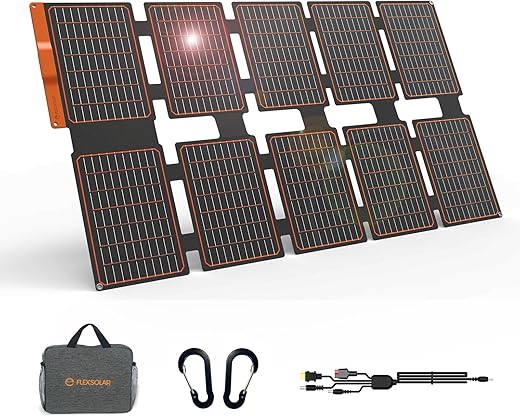
The FlexSolar 100W Portable Solar Panels is a slim, foldable charger that throws out serious juice for phones, power banks, and small power stations — and it’s IP67-rated so rain and dust won’t freak it out. It doesn’t have a built-in battery, so you’ll pair it with a power bank or mini station, but if you want easy, weatherproof power on the trail or during outages, this one makes life a lot less stressful.
FlexSolar 100W Foldable Solar Charger Kit
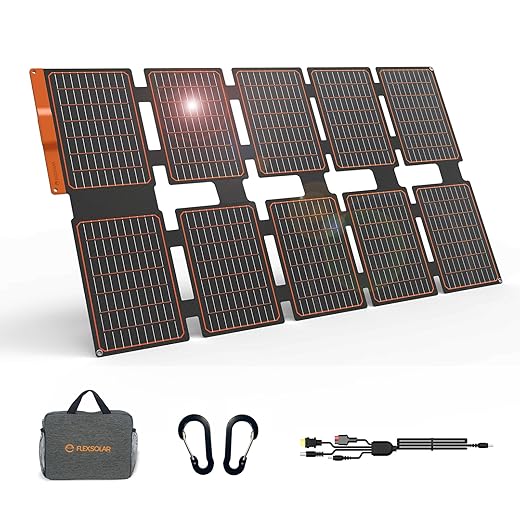
This panel is a lightweight, high-output companion that makes keeping phones, power banks, and small power stations topped up painless on the trail or during outages. It won’t replace a home solar array, but it shines where portability and weatherproof reliability matter most.
Introduction
You want a simple, reliable way to keep phones, power banks, and small generators topped up while you’re off-grid or during an emergency. This foldable 100W panel is built to be carried without fuss and to survive wet mornings and dusty campsites. It focuses on straightforward power delivery, smart charging ports, and an easy setup that doesn’t make you fiddle with adapters when the sun comes up.
Design & Portability
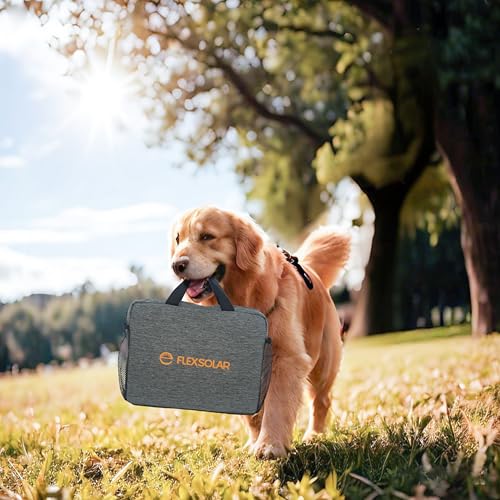
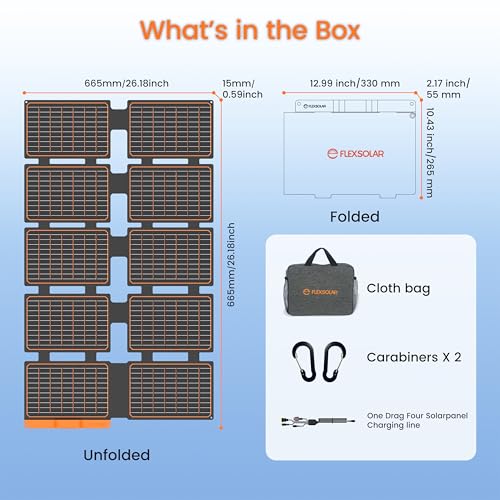
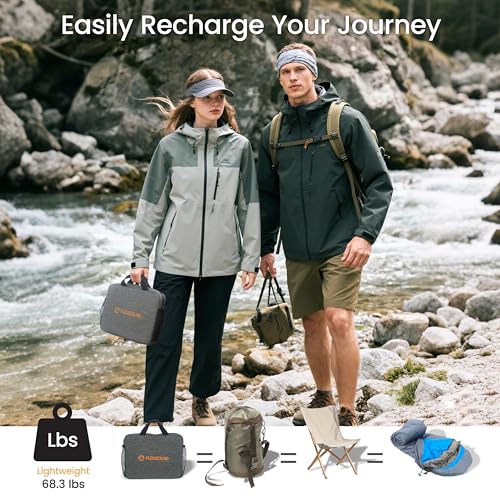
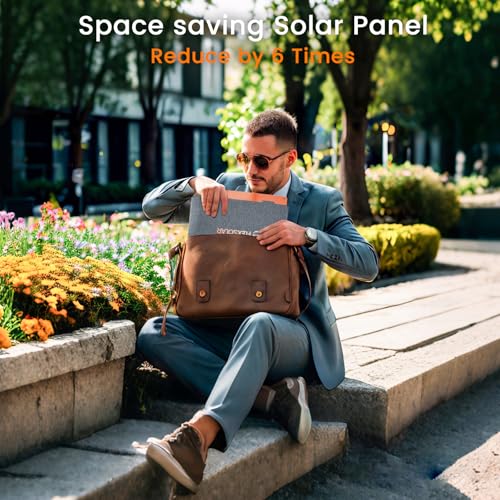
The design is all about carrying less weight and more power. Folded down, the panel tucks into a small carry bag that slips into a pack or into your car. When you open it, the slim profile and lightweight construction mean you can tilt and prop it with one hand. The zippers, straps, and folding seams feel sturdy for repeated outdoor use.
Power Outputs & Charging Options
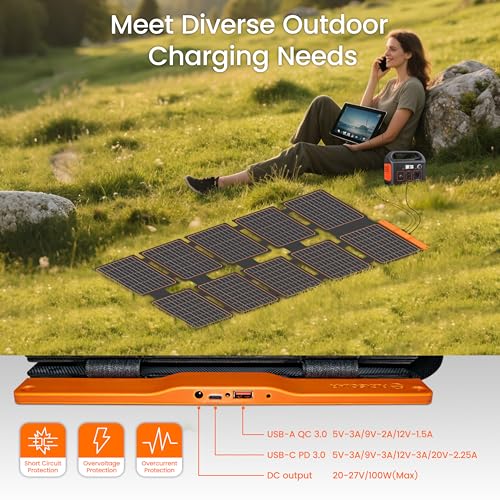
You’re getting several useful outputs to match modern devices. The PD3.0 USB-C port supports 45W fast charging for phones, tablets, and many USB-C power banks. The QC3.0 USB-A port handles legacy fast charging, and the high-power DC port plus the included 4-in-1 cable covers common power station inputs (DC5521, DC7909, Anderson, XT60).
Performance & Efficiency
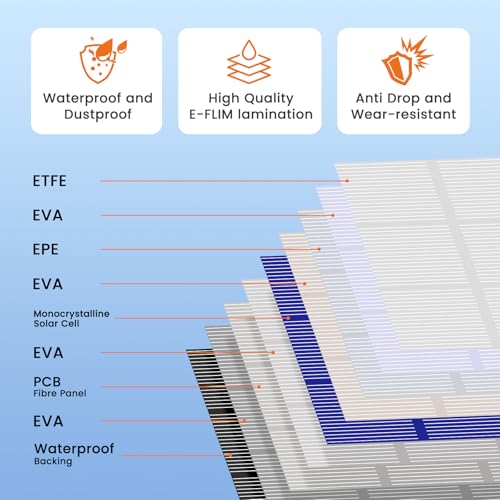
Built with monocrystalline cells and ETFE lamination, this panel pushes above-average conversion into usable power when conditions are good. In real-world use you’ll see strong midday output, but mornings, late afternoons, and cloudy days significantly reduce production — that’s true of all portable panels. Angle the panel toward the sun and avoid shade to get the best numbers.
| Spec | Typical Real-World Expectation |
|---|---|
| Rated power | 100W peak under ideal sun |
| Cell efficiency | 23%+ nominal |
| Best output window | 10am–3pm on clear days |
| Typical on-cloudy-day output | 30–60% of peak |
Durability & Weather Resistance
IP67 means the panel handles dust and short-term water exposure. The ETFE cover resists scratches and yellowing better than plain plastic, and welded seams and reinforced corners help prevent tearing when you move campsites. It’s not indestructible — treat the junction box and cables with care — but it stands up to real outdoor use better than many budget panels.
Setup, Use Cases & Quick Tips
This panel is built for simple, no-drama use. Lay it on a rock, prop it with a light stick or foldable stand, or drape it on your vehicle hood. Use the PD port to keep your phone alive, the QC port for older devices, and the DC outputs to directly feed a compatible power station. Remember:
What’s in the Box
Final Thoughts
If you want a lightweight, weather-ready solar charger that covers phones, power banks, and small power stations without a lot of fuss, this panel is a smart pick. It balances portability, solid efficiency, and useful fast-charge ports in a package that really adapts to outdoor life. It’s best when paired with a small battery or power station for cloudy days or overnight use.
FAQ
Yes. You can use the PD USB-C to charge phones or USB-C power banks while the DC output feeds a compatible small power station. Just keep an eye on total draw — the 100W peak is shared between ports, so charging two heavy loads at once may reduce charging speed.
On a cloudy day you can expect roughly 30–60% of the panel’s peak output. That usually means slower charging than wall power, but most phones will still top up reliably if you leave them connected during the brighter parts of the day.
The 4-in-1 cable covers common input plugs like DC5521, DC7909, Anderson, and XT60, which makes it compatible with many small to medium portable power stations. Always check your generator’s input specs and recommended solar voltage/current ranges before connecting.
If you’re connecting the panel directly to a power station designed for solar input, the station usually has a built-in MPPT or charge controller. If you plan to wire it to a battery system without a regulate input, use a proper solar charge controller to avoid overcharging.
Point it directly at the sun, avoid shade, and re-angle every hour or two when the sun is low. Keep the panel clean and dry, and use the PD port for devices that accept fast USB-C charging to make the most of available power.
The IP67 rating protects against dust and temporary water immersion, so light rain or a damp morning is fine. However, don’t leave the junction box or connectors exposed for long periods — stow them in the bag if a storm is coming.

Used it during a local outage — kept phones and a couple of LED lamps running. Setup was simple and the foldable case made storage painless. For $89.99 on Amazon it felt like solid value.
Two small nitpicks:
1) The kickstand is a little flimsy in strong wind.
2) Wish the case had a pocket for a thin controller cable.
Still, would recommend for emergency kits.
A sewn-in mesh pocket would be a great idea for the next model — handy for cables and small gear.
Agree on the kickstand. I used a couple of carabiners to anchor it to my pack and that helped.
Ordered one for my kit after reading this — thanks everyone!
Thanks for the practical feedback, Claire. We’ll note the kickstand comment — wind can indeed be a problem. A small sandbag or weighted object helps stabilize it during storms.
Question for folks: has anyone used this to directly charge a Goal Zero-ish small power station via the DC output? I’m wondering about voltage compatibility and whether it holds decent wattage for more than short bursts.
Good question, Carlos. Many small stations accept a DC input and will charge from a 100W panel fine, but check the station’s input voltage and connector type. You may need an adapter or an MPPT charge controller to optimize charging. Always verify the station’s max input wattage to avoid issues.
I used an adapter cable with an MPPT controller to feed a 300Wh station. It worked well on sunny days but don’t expect full 100W all the time — panels hit peaks under ideal conditions only.
Took mine camping in steady drizzle last weekend (yes, I forgot a tarp 🤦♀️). It survived — didn’t sink, stayed charging my power bank. IP67 seems legit.
A few notes:
– It’s not super fast if the sun is low behind clouds.
– QC3.0 USB-A helped top off an old tablet faster than the USB-C on my phone in that situation.
– The foldable design is great for packing.
Overall: would buy again, especially for the price.
Drizzle test approved! 😂 I’m sold — mostly because I love tech that doesn’t panic when wet.
If you want faster trickle in clouds, pair it with a small MPPT power bank / controller. It helps squeeze more from low-light conditions.
Thanks for the field test, Hannah — very useful. IP67 protects against heavy rain and temporary submersion but try to avoid long-term exposure. Good point about QC3.0 vs PD behavior in cloudy conditions.
Great write-up. I keep a tarp now as a rule — saved me once from a soaked stove setup.
Tech note: PD3.0 USB-C on the FlexSolar will negotiate with phones to deliver fast charge, but results vary by device. If your phone supports PPS or higher PD profiles you’ll see the best speeds. Also, keep an eye on cable quality — cheap cables can bottleneck the fast charge.
Yep, I swapped to a certified cable and my Pixel charged noticeably faster from the panel.
Good tip — cables matter a lot. We recommend a high-quality PD-capable USB-C cable for maximum PD3.0 performance.
Short and sweet: does the foldable panel fit in a standard backpack side pocket? Thinking commuter vibes. 🙂
It’s compact when folded, but dimensions can vary by brand. For FlexSolar 100W, it fits in many larger side pockets or main compartments of daypacks. Check product dimensions on the Amazon page to be sure.
I keep mine in the main compartment — too bulky for slim side pockets unless you have a roomy bag.
I keep seeing 100W panels advertised like they’ll run your fridge during an outage. LOL no. This is great for phones, lights, and maybe a small fan, but not house appliances.
Just setting expectations — love it for camping, don’t buy it if you need to power a full-blown home.
To be fair, people often misunderstand watt-hours vs watts. 100W is instantaneous max, not sustained overnight battery capacity.
Totally — I tried to power a 60W mini-fridge once and it barely kept up. Useful for emergencies but know the limits.
This thread should be a PSA. Solar math is underrated in the buying process.
Exactly — the expert verdict is similar: great for portability and small devices, not a replacement for a home array. Thanks for calling that out.
Also solar in the shade = drama. 😅
Picked one up last month for weekend hikes. Lightweight and really easy to strap to my pack. Charged my phone and a small power bank mid-hike with no drama.
Not expecting house-level output, but for phones and a mini power station this is perfect. The PD3.0 port is a nice touch.
Nice — did you leave it strapped to the pack while walking or set it up and sit in the sun? I worry about efficiency while moving.
I’ve done both. When strapped to the pack you lose some efficiency but you still get decent trickle charge throughout the day.
Glad that worked for you, Samir — sounds like the FlexSolar did exactly what it’s designed for. A tip: aim the panel at the sun at a 30–45° angle for best output while hiking.
Value thoughts: at $89.99 on Amazon this panel is one of the better-priced 100W foldables out there. If you want a no-fuss, portable charger for phones, tablets, and small power stations the balance of price and features (PD3.0, QC3.0, IP67) is compelling.
A few things I checked before buying:
– Verified seller and reviews on Amazon
– Confirmed return policy
– Read that IP67 means dust-tight + temporary submersion
If you’re on the fence: buy it for camping/emergency use. Don’t buy it expecting to run heavy appliances.
One more tip: if you plan extended off-grid use, get a small MPPT controller and proper adapter cables to improve charging efficiency.
Agreed — price is right for casual users and occasional campers. For long-term off-grid setups, step up to a larger system.
Nice breakdown, Priya. Your checklist is exactly what we recommend readers do before purchasing.