
Blog, Other Camping Gear
HydraPak Velocity IT — Say Goodbye to Lukewarm Sips

Nov
Keeps water colder, flows fast, and won’t turn your pack into a soggy mess.
Ever pulled your hydration tube on a hot trail only to be hit with warm, sad water? That slow, tepid sip turns a great hike into a minor tragedy — especially when you need a real drink to cool you down.
The HydraPak Velocity IT jumps in like a simple fix: an insulated reservoir that keeps your water noticeably colder, a self-sealing high-flow bite valve for one-handed sips, and a wide mouth that makes filling and adding ice annoyingly easy. It’s not perfect (the sleeve adds a little bulk in super-slim packs and the tube can hold a smell if you don’t dry it), but for most outings it keeps your pack drier and your thirst solved — fast.
HydraPak Velocity IT Insulated Hydration Reservoir

A smart, user-friendly reservoir that keeps your water colder and your pack drier on long outings. It balances great insulation and high flow with simple cleaning, making hydration less fussy and more reliable on the go.
Introduction
You know that sinking feeling when your water is warm by mile three? This reservoir was made to stop that. You’ll find the insulated bladder and tube slow heat transfer so your drink stays chill longer. It was built for people who move fast and sweat more — runners, bikepackers, and hikers who want simple, dependable hydration.
Key features at a glance
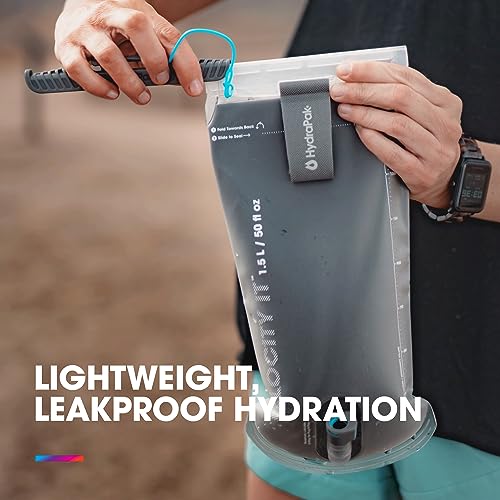
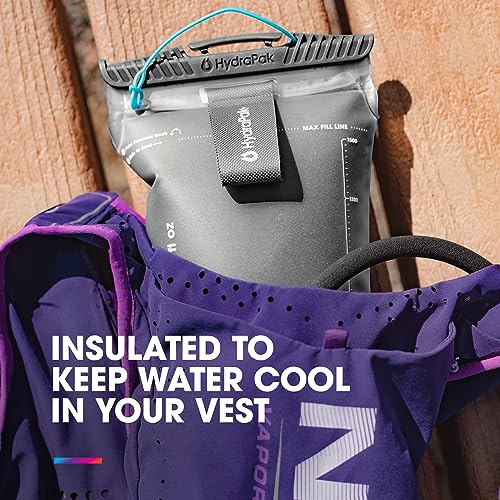
Why the insulation matters
The insulation isn’t just marketing — it changes how long your water stays cold and how your pack feels. The sleeve reduces the surface area where warm air meets cool water, so you’re sipping colder water later into your activity. It also helps stop the reservoir and tube from sweating and making the rest of your gear damp.
You won’t get frozen water in summer, but you will notice a real difference on hot runs or long climbs. If you start cold and top off with ice, the insulation lets you nurse that coolness for hours.
Fit and pack compatibility
The design is meant to be universal. The hanger is flexible and works with clips, hooks, and loop systems on most packs and vests. The grab tab is thin and flexible so you can pull the reservoir out with one hand to refill or stuff it back in. Keep in mind the insulated sleeve has a little bulk — it fits most packs but may feel snug in ultra-minimalist, ultra-slim vests.
Cleaning and care
| Task | Recommended method |
|---|---|
| Daily rinse | Rinse with warm water and mild soap; air dry upright |
| Deep clean | Use a reservoir cleaning kit or dishwasher; remove valve |
| Long-term storage | Dry completely and store open to avoid smells |
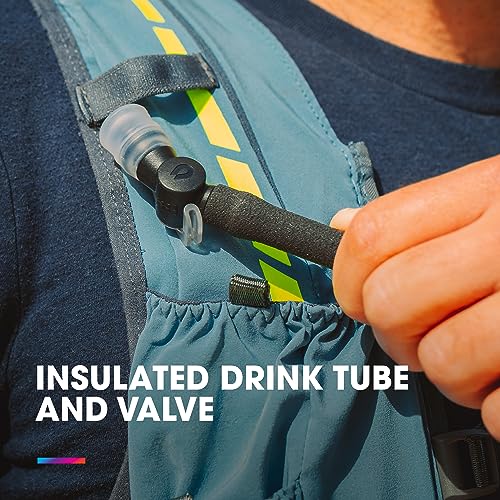
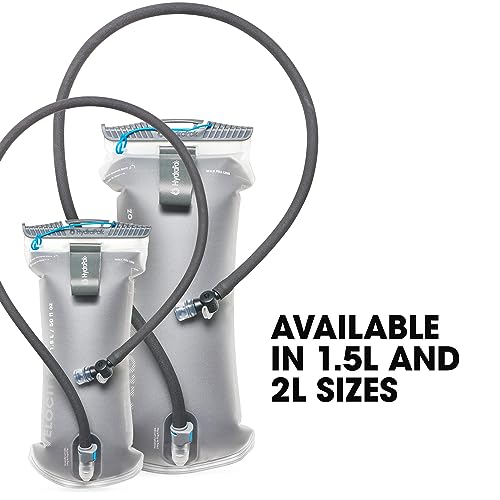
Bite valve and drinking experience
The Comet bite valve is a highlight. It has high flow so you don’t have to gnaw it to get water, and the self-seal stops drips when you’re not drinking. You can lock it with a single hand, which is handy when you need to switch hands or grab a pole. The valve’s feel is soft but firm enough to avoid accidental opening in a bag.
Small annoyances and tips
Why you’ll like it
You get cold water longer and fewer surprises from leaks or drips. The one-handed bite valve lock and wide fill make real life easier at the trailhead and on the run. It’s a solid upgrade if your current bladder heats up too fast or is a pain to clean.
Final thoughts
This reservoir is built for people who want reliable, colder hydration without fuss. You’ll spend less time worrying about warm water or leaks and more time enjoying the trail. Pack it, lock it, and sip with confidence.
FAQ
Yes. The wide slide-seal top is made for easy filling and can handle ice cubes. The sleeve helps the ice last longer and prevents the outside from sweating.
Detach the valve if possible and hang the tube so air can flow through. Reversing the bladder and leaving the cap off speeds drying. For stubborn smells, use baking soda or a reservoir cleaning tablet.
It does add a little thickness compared to non-insulated bladders. Most standard vests and packs handle it fine, but very slim, race-focused vests might be tight.
Yes. The high-flow Comet valve is designed for easy sipping and you can lock or unlock it with one hand while on the move.
The reservoir is top-rack dishwasher safe, but frequent dishwasher cycles may wear parts faster. For everyday rinsing, warm water and mild soap work well; reserve dishwasher use for deep cleans.
The universal hanger is flexible and works with most clip, hook, and loop setups. If your pack uses a very unique system, try fitting the bladder before a long trip to be sure.

Used it for cycling and hiking. A few quick notes:
– The bite valve is noticeably easier to draw from than my previous bladder.
– Cleaning is simple, though the valve needs occasional disassembly to fully dry.
– It fits most medium-sized packs; strap placement matters.
Also: tiny tip — use a carabiner to secure the tube so it doesn’t flop around. Saved me from a face-soak 😅
Great tip about the carabiner — thanks! Securing the tube definitely reduces accidental valve activations.
I do — pull the valve, rinse, and leave to air dry. No mold so far, even after sweaty summer outings.
Do you take the valve apart for drying? Any mold issues after long trips?
Saw the $48 price and expert rating 8.8/10. Seems solid, but 48 bucks for a bladder feels kinda premium. Anyone think it’s worth swapping from their cheap TPU reservoirs?
If you value insulation, flow, and easier cleaning, many find the upgrade worth it. The self-sealing valve and dishwasher-safe feature are the main differences.
Tried the HydraPak Velocity IT on a weekend trail run and really liked it. The bite valve self-seals like they say, and I noticed less condensation in my pack.
Price at $48 feels fair given the insulation and dishwasher-safe materials. The flow is good too — no sipping like a garden hose. 🙂
Totally — did you leave ice in it or just cold water? I’m wondering how long it stays cold on longer hikes.
Thanks for sharing, Emma! Glad it held up on the run. A little tip: flip it upside down on the top shelf of the dishwasher so the valve gets a good rinse.
I left a few ice cubes and it lasted better than my old reservoir. Not magic, but noticeable.
Question about cleaning: the article says dishwasher-safe, but should I remove the valve and drink tube first? Worried about heat warping anything. Also, any tricks to dry the reservoir interior faster?
I toss the tubing in the dishwasher’s top rack and hang the bladder. No issues so far.
Thanks, everyone — great tips. I’ll give the hanger trick a try.
Yes, remove the bite valve before the dishwasher. Use the top rack and a reservoir hanger or a clean coat hanger to air dry inside-out. Some people use a rolled towel to prop it open and speed drying.
I use a small bottle brush for the neck and hang it upside down overnight with the cap off.
Good writeup. I like the idea of the insulation, but had a minor issue: after a couple of uses there was a tiny damp spot near one seam of the bladder inside my pack.
Anyone else see leaks? I might’ve pinched it while stuffing my pack, but wanted to flag it.
I’ve used mine for 6 months without leaks. I always inspect seams and the cap closure before each use — maybe that helps.
Thanks, all. I cleaned it, tested, and sent it back to Amazon. Replacement arriving soon.
Sorry to hear that, Daniel. That shouldn’t happen with normal use. If it’s a manufacturing defect, Amazon usually covers returns for this price point. Also check the seam is fully sealed after filling — sometimes debris can prevent a perfect seal.
I once pinched mine too by dropping the pack. If you can replicate the damp spot, contact Amazon. They swapped mine quickly.
Bought this after the review. A few real-world notes:
– Bite valve flow is excellent for drinking quickly on the move.
– Insulation does extend coolness; I could keep ice a few hours longer than before.
– The reservoir is easy to clean and, yes, dishwasher safe (top rack only!).
One thing: secure the hose clip on your pack or the tube will swing. Learned that on day 1 😅
Thanks for sharing, Zoe — glad it’s working. Good call on the hose clip; it’s small but helps a lot.
Which size did you get? 1.5 or 2L?
Same — 2L for multi-day, 1.5L for shorter outings.
2L for me — I like the bigger capacity on day hikes. Worth the slight extra bulk.
I find 1.5L perfect for commuting and single-day rides.
Long trip report:
I took the 2L version on a 3-day backpacking loop in mixed sun and forest.
Day 1: Filled with ice and water, strapped it in. Kept ice the longest of any reservoir I’ve owned.
Day 2: Warm afternoon but water still noticeably cool by evening.
Day 3: Bite valve stayed sealed (no leaks into pack) and cleaning afterward was way easier than I expected.
Pros: keeps water colder, less condensate in pack, dishwasher-safe which is a huge convenience.
Cons: bigger models can be bulky; make sure your pack has a dedicated sleeve.
Would buy again for multi-day outings.
Really helpful review — I usually do 2-night trips and this convinced me to try the 1.5L first.
Great detailed notes, Priya — thanks! Your point about pack compatibility is key. For those with smaller packs, the 1.5L might be the better fit.
Dishwasher safe is a game changer. I was done with hand-washing weird reservoir corners. Bought one and zero regrets. 5/5 for cleaning alone.
Headline: ‘Say Goodbye to Lukewarm Sips’ — Honestly I laughed out loud. 😂
Tested it on a sunny bike commute and yes, better than my old bladder, but if you leave it baking in a hot car it’s still gonna warm up. Not a miracle cooler, but an improvement.
Also, bit of a learning curve with the cap — took me a minute to line it up.
Ha! You’re right, it’s not a thermos. It does slow heat transfer though. And yep, the cap can be fiddly until you get the hang of the ridge alignment.
Agreed — it’s better, not wizard-level. I keep mine under a jacket when I’m waiting in the sun.
‘Leak proof and dishwasher safe’ — I was skeptical, but mine survived a week in a full pack and a round in the dishwasher. Miracle? Nope. Solid design, though. 🙂
Now the real test: can it survive my cat walking on my pack? 😆
Glad it worked out for you, Victor. Appreciate the sanity check for other readers.
Decent reservoir. No drama, does the job. Price a touch high but better than the cheap alternatives. Would recommend for people who care about bite valve quality.
Thinking about the 1.5L vs 2L — I do fastpacking and keep weight minimal. How much heavier is the 2L when empty? Does it feel bulkier in small frames?
The 2L is slightly bulkier but the material is thin; weight difference empty is minimal. Fit depends more on pack sleeve size and hose routing.
If you’re fastpacking, go light. 1.5L is usually enough unless you plan long desert stages.
I used the 1.5L in a smaller pack and it was perfect. The 2L felt like too much sloshing in shorter runs.