
Blog, Navigation & Electronics
Never Lose Your Way: Fenix 7 Solar vs Vertix 2

Nov
Which powerhouse will keep you found, powered, and worry-free on your toughest backcountry days — and which one might leave you stranded?
You plan big trips and hate guessing whether your watch will last or guide you home. This head-to-head shows how the Fenix 7 Solar and Vertix 2S erase that worry so you focus on trails, peaks, and calm for good.
Everyday Adventure

You’ll get a very capable all‑rounder that balances ruggedness, maps and smartwatch smarts so you can trust it on long trips and daily training. It soaks up sun to stretch battery life, but you shouldn’t rely on solar as your only charger.
Ultra Endurance

You’ll love this if you crave maximum uptime and rock‑solid GPS for long trips where charging isn’t an option. It’s built tough and guides you well, but you give up a bit of smartwatch polish compared to bigger ecosystems.
Garmin Fenix 7
Coros Vertix 2S
Garmin Fenix 7
Coros Vertix 2S
Garmin Fenix 7
Coros Vertix 2S
Battery & Power: Stay out longer, worry less
You know the panic when your watch dies mid-route. Here’s how the Fenix 7 Sapphire Solar and COROS Vertix 2S handle long days, multi-day trips, and cold snaps so your route — and your peace of mind — stays intact.
Garmin Fenix 7 Sapphire Solar — solar top-ups when the sun smiles on you
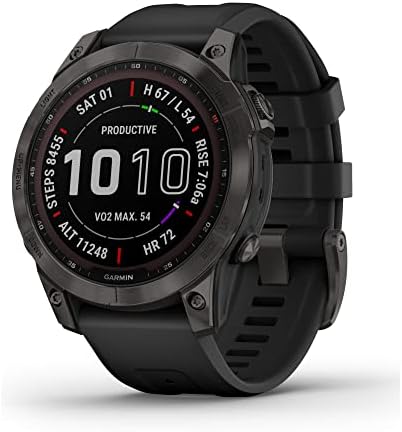
The Fenix 7 gives two battery stories: everyday smartwatch life (about 18 days indoors, up to ~22 days with a few hours of sun) and GPS mode (about 57 hours indoors, up to ~73 hours with continuous strong sun). Solar is a real help on sunny treks — not magic, but it can add hours or even a whole day on long, bright trips. In cold weather, expect noticeably shorter runtimes; use Expedition or UltraTrac modes to stretch battery if you’re out for days. If you want maps, music, and safety features on-wrist, this keeps your route alive while still grabbing solar top-ups.

COROS Vertix 2S — pure endurance for long expeditions
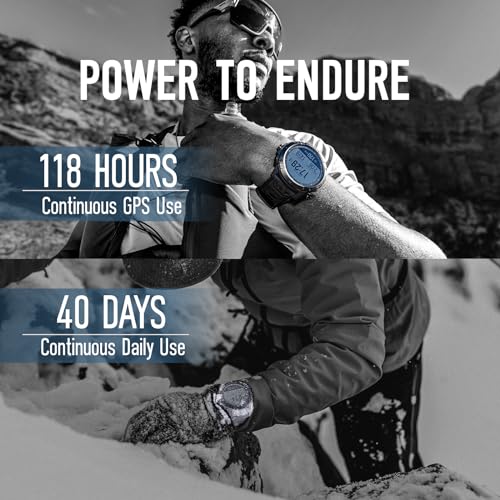
The Vertix 2S leans on raw battery muscle: up to 40 days in regular use and about 118 hours of full GPS tracking. That’s built for multi-day races, alpine missions, or when you don’t want to babysit charging. Dual-frequency GPS and power-efficient software mean your route stays active even deep in canyons. It’s also solid in cold conditions — better than average at holding charge — but be careful with the charging port in gritty environments.
Quick trail rules of thumb
Navigation & Maps: Never lose your way
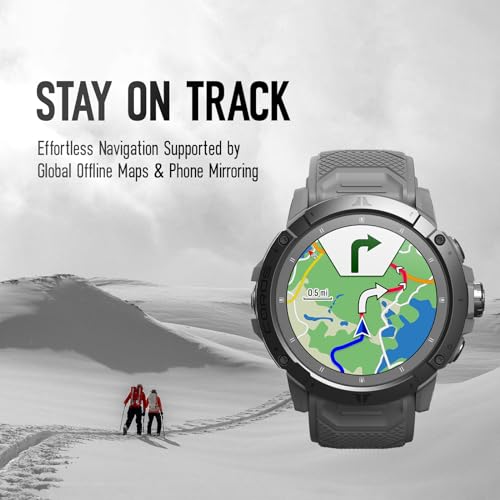
Getting lost is the worst — this part shows which watch gets you back on track. You’ll see how the Fenix 7’s mapping, touchscreen, and waypoint tools compare to the Vertix 2S’s global offline maps and route planner. We cover GPS accuracy, multi-band support, breadcrumb trails, turn-by-turn guidance, and how easy each is to use with gloves or in bad weather. You’ll know which device keeps you confident on unknown trails and which one helps you plan and follow complex routes without panic.
Garmin Fenix 7 Sapphire Solar — detailed maps and mixed input (touch + buttons)
If you want maps on your wrist, the Fenix 7 hands them to you. Preloaded TopoActive maps, downloadable global maps over Wi‑Fi, and turn‑by‑turn directions mean you can follow roads and trails without fumbling for your phone. Multi‑band GNSS boosts position accuracy in canyons and forests, and the breadcrumb track helps you see where you came from. The touchscreen speeds quick taps and pinches, while dedicated buttons save you when it’s wet or you’re wearing gloves — the combo keeps you moving, not fighting the interface.


COROS Vertix 2S — global offline maps and a route planner that thinks like a guide
The Vertix 2S is built for serious route following. Dual‑frequency GPS and COROS’s navigation algorithms give rock‑steady positioning in narrow valleys. You get full global offline maps and a route planner in the app — create complex lines on your phone, mirror them to your watch, then follow clear breadcrumbs and prompts. No touchscreen to foul up in rain or with gloves — the tactile buttons and dial just work when you need them most.
Durability & Comfort: Tough gear you’ll actually wear
Your watch has to survive scrapes, cold, and long days on your wrist. Here we compare the Fenix 7’s DLC titanium build and sapphire glass to the Vertix 2S’s rugged shell and screen tech. You’ll learn about water resistance, scratch protection, weight, and strap comfort for long ascents and sweaty runs. This section focuses on real pain points — chafing, bulk, and fear of breakage — so you can pick the watch that feels right and keeps working when conditions get ugly.
Tough-as-nails materials
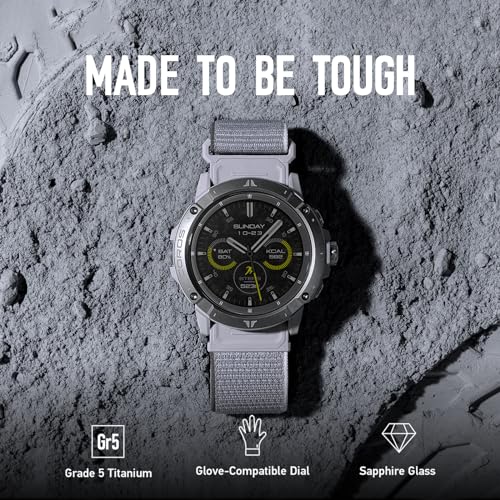
The Fenix 7 packs a Black DLC titanium case and Garmin’s Power Sapphire lens — premium and built to resist scratches and knocks. The Vertix 2S uses a PVD‑coated titanium bezel and a sapphire screen that’s similarly hard to mar. In short: both watches shrug off rocks and rope rubs. You can stop babying your wrist gear.
Water, scratches and fear of breakage
Both are made for real outdoor abuse — rain, sweat, and splashy creek crossings won’t make them quit. The sapphire on both models gives you serious scratch protection, so you’re not staring at spiderwebbed glass after one slip.
Weight and how it feels all day
Weight matters on long climbs and when you sleep. The Fenix 7 (about 11.3 oz) is noticeably chunkier and can feel heavy during multi‑day wear. The Vertix 2S (about 8.4 oz) sits lighter and less obtrusive under sleeves and harness straps.
Straps, fit and real comfort
Both come on sporty bands built for sweat and quick drying. The Fenix’s size can cause more wrist bounce and chafing on thin arms; the Vertix 2S’s lighter build and simple strap tend to be easier to forget you’re wearing.
Sensors, Sports Modes & Daily Use: Smart where it counts
Heart, sleep and recovery — who tells you the truth?
You want clear, usable recovery cues — not numbers that confuse you. The Fenix 7 gives deep metrics: wrist HR, Pulse Ox, respiration, sleep stages, training status and stamina estimates. That means fancy insights when you want to push hard or back off. The Vertix 2S focuses on rock‑solid HR accuracy, HRV-based recovery checks and simple, actionable scores — great when you need a quick “go / no‑go” readout on a summit morning.
Altimeter, barometer and orientation
Both have barometric altimeters, 3‑axis compasses and gyros so your elevation and storm warnings won’t lie to you. In practice: they both keep you safe on exposed ridgelines and give reliable elevation gain for climbs.
Sports modes and training plans
Both cover climbing, skiing, running, biking and more. Garmin layers in advanced training plans, VO2 and detailed session analytics if you love data and coaching. COROS gives straightforward training blocks, excellent GPS tracking and easy route planner/mirroring — ideal when you need durability and simplicity on multi‑day missions.
UI and field usability — buttons vs touchscreen
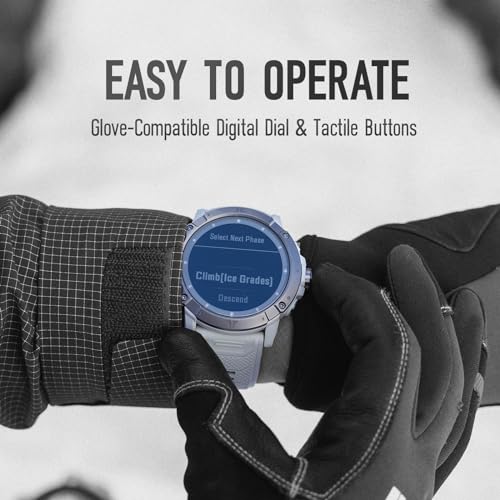
You’ll hate fumbling screens with frozen fingers. The Vertix 2S uses tactile buttons + a big dial that you can operate with gloves and wet hands. The Fenix 7 adds a touchscreen for quick taps, but you’ll still rely on buttons in bad weather. Bottom line: Vertix 2S is purpose-built for hands‑on use; Fenix 7 balances polished touch controls with reliable buttons.
Pick Fenix if you want coaching depth. Pick Vertix 2S if you want clear, no‑nonsense data that stays useful when conditions get ugly.
Side-by-Side Feature Comparison
Final Verdict
If your biggest trail fear is a dead battery, the COROS VERTIX 2S is the winner. With monster battery life and straightforward navigation, you’ll spend less time charging and more time moving. It fixes the one thing that ruins trips: being stuck without power.
If you want maps, a premium build, and extra smarts (plus solar top-ups), the Garmin Fenix 7 Solar is the pick. But for most multi-day, remote adventures where charging is a pain, grab the Vertix 2S and go. Ready to stop worrying about batteries? Pack it, trust it, and leave your charger at home.

I appreciated the route planner comparison. The COROS route features feel very slick for planning off-grid lines, and global offline maps are a killer feature if you’re traveling internationally and don’t want to rely on your phone.
That said, Fenix’s health/wellness sensors seem more mature (sleep, stress metrics). If you’re into training metrics vs adventure navigation, decide accordingly.
I use COROS for climbing and the route features are super useful. The training stats felt basic at first but they’ve been improving with firmware updates.
Exactly — COROS nails navigation and battery; Garmin wins on advanced training analytics and a broader app ecosystem.
Maps on Vertix have saved me more than once when my phone died. Worth mentioning: the screen readability in bright sun is great on both.
Good tip on firmware updates — both brands push improvements, so behavior can shift over time.
Battery talk is wild — 40 days?? For reals? 🤯
If that stat is accurate, Vertix 2S is a game changer for multi-day hikes. But anyone tried both in cold weather? I’ve heard battery can tank fast when temps drop.
I took a Vertix on a winter trip — it did better than my old Fenix 5 in subzero, but still lost some percent overnight. Bring a power bank if you’re doing ultra-cold multi-week stuff.
Vertix 2S battery claims are impressive and generally hold up well, especially in expedition modes. Cold does impact all batteries — both watches will see reduced runtimes, but Vertix’s larger capacity still tends to outperform most in subzero temps.
Great comparison — I was stuck between these two for months.
Short take: if you want maps and insane battery, Vertix 2S wins for multi-day trips. But Fenix 7 Solar is sexier (titanium + touchscreen) and the solar charging is actually useful if you spend a lot of time outside.
Couple of notes from my use: Fenix feels more refined for everyday wear, Vertix feels like it’ll survive a small apocalypse. Price differences matter depending on which features you actually use. 😂
Survive a small apocalypse — hah! I’m sold. Which one feels lighter for wearing all day?
Awesome summary — I own the Fenix and I can confirm the solar adds a few extra days in summer, not a full replacement for charging though.
Thanks Ethan — glad it helped! Totally agree on the daily-wear vs expedition split. If you use maps often, Vertix 2S’s global offline maps are a big plus. Fenix’s touchscreen + buttons combo is nicer around town.
I’m an ultrarunner deciding between these. My needs: marathon+ days, accurate navigation, decent HR during long climbs, good snowy-ski performance occasionally. Any recs? I lean Vertix for battery but worry about HR and daily metrics.
Also: how are updates and community support for route sharing? I love downloadable routes from other runners.
For ultrarunning, Vertix 2S’s battery and navigation are huge pluses — less need to carry chargers. If you need very precise training analytics and more refined recovery/sleep metrics, Fenix 7 is better. For route sharing: Garmin’s ecosystem has more community content (Strava integration, Garmin Connect segments), but COROS’ route planner and GPX import/export are solid and improving.
Perfect — thanks! Sounds like I’ll take the Vertix and pair a chest strap for climbs.
I did a 72-hour stage race with a Vertix and the maps + battery were invaluable. I missed some of the advanced recovery metrics, but I could live without them for that battery life.
I use COROS for multi-day runs — battery is a lifesaver. I pair with a chest strap for HR during intense climbs; that fixes wrist HR issues.
Quick question: how do the HR sensors compare? I saw mixed reviews online about wrist-based HR accuracy for steep climbs/skiing. Anyone tested both during intense activity?
Wrist HR is still imperfect during high-intensity or variable-movement activities. Garmin has historically tuned their algorithms for steady-state cardio and recovery metrics, while COROS’ HR has improved but can lag during very dynamic movements. For accurate climbing or interval work, a chest strap is still the gold standard.
I wear a chest strap with both watches for interval runs — wrist HR on the Fenix felt a bit more consistent for easy runs, but both missed spikes during really intense intervals.
Love the touchscreen on the Fenix but sometimes buttons > touchscreen when wearing gloves. Also, the Vertix looks like it could be used as a blunt instrument if needed 😂
To be funny: If the watch can also make coffee, I’m sold. ☕️
Serious: which one has better third-party app support? I rely on a few niche apps for trail planning.
Don’t forget warranty and regional service — Garmin usually has wider support in many countries.
CIQ is awesome if you like customizing watch faces and adding widgets. But I’ve found most niche trail apps still rely on phone integrations.
Also worth checking mount/strap ecosystem — Garmin accessories are more plentiful. COROS straps are solid but fewer options.
Ha — no coffee feature yet. Regarding apps: Garmin’s Connect IQ ecosystem is much larger (third-party watch faces, widgets, apps). COROS is smaller but their core features for navigation and battery are strong and growing.
If coffee becomes standard, I’ll update my review 😂. For now, prioritize which ecosystem matters more to you: maps/battery vs apps/health metrics.
I went with the Fenix 7 Sapphire Titanium — it actually looks classy for everyday wear and is crazy durable. People kept asking if it’s real titanium lol.
Pros: feels premium, solar helps, touchscreen is responsive. Cons: pricey and a bit heavy if you’re not used to larger watches.
Glad it’s working well for you, Grace. Titanium appeals to folks who want durability without the chunky feel of steel. The weight trade-off is real though.
Wear it everyday and you forget the weight. Also the scratch resistance is a nice plus if you’re clumsy like me.
Honestly, both are great but the price-to-value ratio is a bit wild for top models. Garmin has a huge ecosystem lock-in (Connect, CIQ) — once you’re in, it’s hard to leave. COROS feels more straightforward and cheaper for what you get.
If you’re not a metrics junkie, maybe a cheaper option does the job. Just my two cents.
Fair point, Michael. The brand ecosystems can lock you in; it’s worth thinking about long-term use and accessory investments.
Yep — I switched from Garmin to COROS last year and lost some CIQ stuff but gained battery life and simplicity. No regrets.
App ecosystems also affect resale value. Fenix watches hold their price better on the used market.