

Blog
Lighten Your Pack, Love the Trail

May
Lighten Your Pack, Love the Trail — Start Here
You love the idea of hiking — the quiet, the views, the feeling of being alive — but a heavy pack steals that joy. Imagine trading a sore back and slow steps for lighter legs, brighter mood, and more trail time. That small change makes hiking fun again.
This short guide gives you simple, friendly tips to cut weight without losing comfort. You’ll learn what really matters, what you can toss, and smart gear swaps that don’t cost a fortune. Practice a few easy habits and you’ll notice less aches, more smiles, and longer days outside. Ready to love the trail again? Let’s get your pack lighter and your heart happier.


Feel Better Now: The Real Costs of Carrying Too Much
Your body pays first
You know that sinking feeling when your shoulders burn and the trail suddenly doubles in length. Extra weight digs into your hips, pulls on your knees, and turns a five-mile loop into a grind. That soreness isn’t “just part of hiking.” It slows you down, makes steep sections scary, and leaves you hobbling the next day.
Your mood and focus slip away
When your pack is heavy, your brain gets heavy too. Decision-making feels harder — should you stop now or push on? — and small problems magnify. You miss birdsong, forget to eat, or get grumpy over tiny things. I once watched a friend sit out a perfect sunset because they were wiped and needed to nurse a blister. Don’t let weight steal those moments.
Shorter trips, fewer adventures
More weight means fewer miles and shorter trips. You might drop your overnight plans because the climb is too brutal with a full load. Or you skip a summit because the extra ounces make exposure feel dangerous. That adds up: fewer memories, less confidence, and a habit of cutting trips short.
Quick, practical moves you can try today
These are small swaps that add up fast: less pain, clearer thinking, and more trail time. In the next section you’ll learn how to decide exactly what to keep and what to toss — a simple minimalist mindset that makes packing feel good, not stressful.
Think Like a Minimalist: What to Keep, What to Toss
Start with the three priorities: safety, comfort, joy
Ask yourself three quick questions as you pack: will this keep me safe, keep me comfortable, or make the trip joyful? If the answer is no to all three, it’s a candidate to toss. That simple filter stops “just in case” items from sneaking into your bag.
Fast rules of thumb you can use right now
Trim with a quick checklist
Real-world swaps that save big
Swap a heavy canister stove + pot for a small titanium pot and an alcohol stove and save a pound. Replace a bulky cotton T-shirt with a merino tee and avoid odor issues (fewer clothes = lighter load). I once ditched a second pair of shoes on a weekend hike and felt ten pounds lighter—mentally and physically.
A gentle packing ritual
Lay everything out, then remove 20% of items you “might” use. If you hesitate for more than five seconds, leave it. Pack items by necessity: urgent (safety), important (comfort), nice-to-have (joy). This routine becomes faster each trip and makes packing less about sacrifice and more about choosing freedom.
Smart Gear Choices That Don’t Break the Bank
Layer smart, not expensive
You don’t need a closet of fancy gear to stay warm. Start with layers you can mix:
Pick one better piece (like a warm midlayer) and let cheap-but-functional items fill the rest. You’ll feel warmer and carry less.
Multi-use gear wins
Choose items that do double duty. A bandana can be a pot holder, sun shield, or emergency sling. A small multi-tool covers a dozen needs. Swap single-use items for ones that pull double duty to save ounces and hassle.
Water and cooking: cheap swaps that cut pounds
Small changes here can shave major weight and cost.
These changes make morning coffee and dinner simple and light.
Shelter and sleep on a budget
You don’t have to buy the priciest ultralight tent to ditch pounds. Try a single-wall one-person tent or a tarp setup if conditions allow. A compact tarp plus stakes is cheaper and lighter than many freestanding tents.
A basic closed-cell foam pad (cheap and tough) beats lugging a bulky, broken air pad. Combine a light sleeping bag liner with a less-bulky quilt to lower cost and weight.
Small swaps, big smiles
Try a quick three-step plan:
You’ll be surprised how a few smart buys and multi-use items make the trail easier and more fun.
Pack Like a Pro: A Simple Routine You’ll Love
A five-minute packing routine
You’ll love how fast this becomes: lay everything out, sort by use, and pack in this order:
Do this on a table or bed—seeing everything keeps you from stuffing “just in case” items into the pack.
Weight distribution that makes your back smile
Think of your pack like a backpacking Tetris:
Quick practice hikes to test gear
Before a big trip, do a 4–8 mile loop with your packed kit. Try these experiments:
Pre-trip habits to stop hauling junk
A checklist you’ll actually use
You’ll feel proud when you snap the straps and the pack feels like a part of you—not a burden. Ready to take that lighter step?
Hit the Trail Lighter — Enjoy More
You’ve seen how small swaps and smart packing melt pounds and stress from your back and shoulders. Start with one change — drop the extra water bottle, swap for lighter clothes, or ditch a duplicate item. You’ll notice energy and joy return fast.
Keep going—celebrate small wins. Each lighter step gives more views, more laughter, and more time on the trail. Go try it on your next hike and feel the difference now.

This article made me actually consider swapping my massive blob of a pack for something smaller.
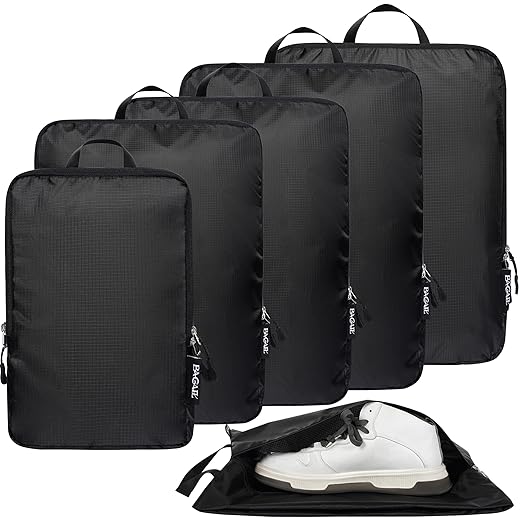
I’m cheaping out a bit and thinking of trying the Osprey Ultralight Collapsible 18L for day hikes and using the BAGAIL cubes inside my main pack to compress stuff.
Also: anyone else find that minimalist packing makes the hike feel longer (in a good way) because you’re less distracted by gear?
Totally — lighter pack = more energy to enjoy the trail and notice small stuff. Osprey 18L is a solid choice for day hikes; BAGAIL cubes are great for organization inside a larger pack too.
I get the minimalist vibe, but as someone who likes comfort, I had to experiment to find the balance. Short story: choose a few comfort items you truly value (for me: a small pillow + proper socks) and cut elsewhere.
Also, FYI: the Osprey Ultralight Collapsible 18L is surprisingly durable for its weight. I tossed it in my daypack as an emergency sack and it handled a full market bag of snacks no problem.
Question: anyone tried using BAGAIL cubes for food versus clothes? Which is better? I’d love opinions.
Good tip from Ethan — if you must, line cubes with a thin plastic bag for food to avoid crumbs. But clothes-only is simplest.
I tried food in cubes once and ended up with crumbs EVERYWHERE. Not doing that again 😂 Clothes only for me.
Food in cubes can be handy for organization, but remember to use smell-proof bags if you stash food overnight. For many, clothes in cubes is the best bang-for-buck — easier to compress and keeps things dry-ish.
I keep clothes in BAGAIL and food in small ziplocks — keeps the cubes cleaner and frees up the cubes for clothing when needed.
Love the ‘Think Like a Minimalist’ section — seriously changed how I pack.
I swapped my bulky daypack for the Osprey Ultralight Collapsible 18L Stuff Pack and it’s a GAME CHANGER for those quick out-and-backs.
Also used the BAGAIL 6-Pack cubes to compress clothes and the weight difference is real.
One thing I’m still unsure about: any tips on balancing water needs vs weight? I hate lugging full bottles but don’t want to bonk.
Thanks for the practical checklist in ‘Pack Like a Pro’!
Great to hear it helped, Maya! For water: fill only what you need for the section between reliable sources. The Lightweight 2L Hydration Running Pack is great for day hikes — carry just 1–1.5L and you can top up at creeks (filter recommended).
Yup — or bring a collapsible bottle to save space when empty. Also, try drinking smaller sips more often so you don’t feel the urge to overpack water.
Another tip: consider the route’s difficulty and weather. Hot, steep routes = more water. Cold or flat = less. Happy trails!
I do the same — Osprey + BAGAIL = less chaotically stuffed bag. For long stretches with no water, toss in a tiny water filter instead of 2 extra liters.
Loved the ‘Smart Gear Choices That Don’t Break the Bank’ — felt like a friend telling me ‘you don’t need the fanciest gear to have fun.’
I ended up getting the Lightweight 2L Hydration Running Pack and the BAGAIL cubes. Super cheap combo, and it makes weekend hikes way less stressful.
Minor gripe: could use a few visuals showing how to pack the cubes into different pack sizes.
Yes! A short vid would save so much trial-and-error 😀
Good point, Aisha — visuals would definitely help. I’ll add diagrams for small/medium/large pack setups in the next edit.
Agree on visuals. Even a short video of packing a 35L vs 50L would show how much you can compress and what you actually need.
Funny thing — I tried ‘Pack Like a Pro’ routine once and actually enjoyed packing (who am I?). The routine helped me stop overthinking what to bring.
One quick q: anyone used the Lightweight 2L Hydration Running Pack for overnight? Thinking of using it as a light daypack + hydration combined.
I used it for a super minimalist overnight with just quilt + tarp — works if you’re comfortable with tiny footprint. Otherwise get a slightly bigger pack.
Glad you enjoyed the routine, Chris — that’s the goal. The Lightweight 2L is fine for overnight if you’re carrying a separate small backpacking pack for gear; as a sole pack it’s tight for true overnight unless you’re hardcore minimal.
I appreciated the ‘Feel Better Now’ section — you nailed the real costs of carrying too much (back pain, fatigue, hate-hate relationship with the trail 😅).
Been thru the ‘everything-but-the-kitchen-sink’ phase and then tried a minimal setup. Here’s what worked for me:
– Naturehike Ultralight Star Trail Backpacking Tent for 2-person level weight but solo use
– Osprey pack as my day/resupply bag
– BAGAIL cubes to keep kit organized
The article reminded me that comfort ≠ more stuff. A few constructive notes: maybe add a sample 24-hour pack list for beginners? That would be soooo helpful.
Yes please! That would be amazing — thanks 🙂
+1 for the 24-hour list. Also, for ultralight shelters, the Naturehike is a nice balance of price and weight — but check seam tape and stakes before heading out.
I like the idea of doing a ‘weight audit’ — lay everything out like the article suggests and actually weigh each item. Shockingly effective.
Great suggestion, Rachel — a 24-hour sample pack list is a good add. I’ll work on a compact example for the next update.
If anyone wants, I can post my own 24-hour list in a reply here — basic, food, water, shelter, layers, first aid. Would that help?
Short and sweet: I bought the Night Cat Lightweight Waterproof One-Person Tent after reading the ‘Smart Gear Choices’ bit. Lightweight, cheap, kinda cozy. For solo trips it’s perfect. Would recommend 👍
Okay, real talk: I used to overpack snacks like my life depended on it. That changed after reading ‘Think Like a Minimalist’ — now I bring fewer snack options but higher-cal density stuff.
Also — shoutout to BAGAIL 6-Pack Ultralight Compression Packing Cubes. They’re cheap and actually make unpacking at a campsite less of a nightmare.
Some practical things I tested:
1) Swap cotton for synthetic base layer
2) Use the Osprey Ultralight as emergency daypack instead of full secondary bag
3) Practice packing/unpacking at home once (saves time at the trailhead)
Q: anyone tested the Night Cat vs Naturehike tents in rain? I’m torn.
Both are good budget options. Naturehike tends to have slightly better build and lighter materials; Night Cat can be sturdier in heavy rain if you pick the waterproof-rated model. But seam sealing and proper pitch matter more than brand.
I had the Night Cat on a rainy weekend — kept me dry, but stakes were meh. Naturehike felt more refined but pricier.
Great advice above. If you want, I can do a mini-compare post with weight, packed size, and price for both tents.
Yes please! A mini-compare would help me decide. Ty everyone for the tips 🙂
Rain tip: always test your tent at home with a hose before relying on it. Also bring an ultralight footprint or tarp under it.
Really practical read. I especially liked ‘Hit the Trail Lighter — Enjoy More’ — that’s the whole point. One tiny nit: I think the article downplays the value of a solid rain jacket. Ultralight is great, but if it fails you in a storm you pay in misery.