

Blog
Never Run Out: Your Thru-Hike Resupply Gameplan

May
Why resupply is the secret to finishing strong
You know the dread: miles from town, belly rumbling, and the thought hits—what if you run out? That small panic can ruin a day, sap your energy, and turn a beautiful stretch into a long, grumpy slog. Resupply isn’t just about food; it’s about keeping you safe, awake, and ready to enjoy the trail.
With a few simple choices and a tiny bit of prep, you can stop worrying and start hiking. This guide gives you a flexible, real-world plan so you can trust your pack, keep morale high, and avoid those awful low-food moments. Sleep easier, hike happier, and finish strong. Let’s map a resupply gameplan that actually works for you.


Map the big picture: make a resupply skeleton you can trust
Sketch your trail chunks
Start by breaking the trail into chewable chunks: town A to town B, long waterless stretch, a post office drop, repeat. Work in miles, not wishful thinking. If a stretch is 40 miles and you usually do 10 miles a day, that becomes a 4-day leg — not a “three-day push” you’ll regret. Treat this as a skeleton, not a schedule: bones you can bend when weather, fatigue, or trail magic show up.
Pin every resupply point
Mark every place you could realistically get food: towns, post offices, outfitters, trail angels, and known caches. Use a map app and a paper backup so you’re not scrambling if cell service dies.
Set realistic daily miles
Be honest about your pace. Aim low at first. A simple guideline:
Factor in elevation, heat, and known “slow miles” like tricky climbs. Do the math: days = stretch miles ÷ your conservative miles/day, then round up.
Build easy buffers
Always add at least one extra day of food or a backup resupply option per long stretch. Have one reachable town where you can buy groceries if a maildrop fails. Carry a short, simple contingency: an extra dinner or two, cash, and a cell battery. Trail life throws zeros, storms, and rest days at you — your skeleton should let you shrug and adjust, not panic.
Use FarOut/Guthook, Gaia GPS, or a single Google Sheet to keep all points and days visible. You’ll breathe easier when the whole route looks manageable at a glance.
Know yourself and the trail: calories, pace, and comfort foods
Estimate your real calorie budget
You burn more on a trail than you think. A simple rule: light days ~2,500–3,000 kcal, average thru-hike days 3,500–4,000, heavy days (big climbs, heavy pack, hot) 4,500+. Test it: pack what you plan to eat for one day, hike a typical mileage day, and note how hungry you are afterward. If you bonk or can’t stop snacking, add 300–500 kcal to your baseline and test again.
How to test food and carry-days before you commit
Do a weekend shakedown. Carry the full food weight you expect for 3–5 days and hike with your pack. Pay attention to:
How many days should you carry?
Comforts that save morale (and what to avoid)
Treats matter. Bring small, high-joy items:
Avoid trail experiments:
Swap out anything that makes you miserable on a practice hike. Small comforts can flip a bad day into a good one — carry at least one.
Choose your resupply style: town stops, maildrops, and friendly caches
Town stops — easy comforts, hidden costs
Town stops give you fresh food, a shower, and a charger — everything that feels like a reset. But they cost time and money, and towns close or run out of what you want.
Tips:
Maildrops — control, comfort, and that huge relief
Maildrops let you tailor your food and include favorite extras. When your box arrives, the relief is real — like a tiny care package from home. The downside: planning, packing mistakes, and lost packages.
How to do it right:
Friendly caches — lifelines in remote places
Friends, trail angels, or outfitters can drop food at trailheads. They’re great for long, remote stretches but need a reliable contact and clear timing.
Best practices:
Pick a mix that fits you
Choose based on budget, risk tolerance, and mood: town-heavy for variety and comfort; maildrops for control and treats; caches for remote security. Make one simple schedule you can actually stick to, and always carry one day’s extra food for the unexpected — that small safety net will save your sanity more often than you think.
Pick and pack foods that keep you moving (and smiling)
You’ve got the resupply skeleton — now fill it with food that won’t flop when you’re tired, hungry, and a day from town. Food is fuel and mood; pick items that hit both.
Rules of thumb
Foods that hold up
Mix real food with long-lasting fuel
Pre-portion dinners: put rice/couscous, spice, and freeze-dried veggies/meat in one Ziploc for each night. Add olive oil or cheese powder for extra calories. Keep a few commercial freeze-dried meals for worst-case days.
Pack like you’re tired
Little mood boosters
Never underestimate one beloved candy bar or a small square of chocolate — that hit of sugar + nostalgia can carry you through a long afternoon slump (trust me, Day 10 Snickers saved a hike).
Next up: practical logistics — money, timing, delays, and emergency backups to protect all this tasty planning.
Logistics and backup plans: money, timing, delays, and emergencies
Things go wrong. Trains cancel. Stores run out. Your stomach stages a protest. Calm wins here — a few simple backup moves stop small problems from ruining your hike.
Budgeting your resupply
Think in towns, not days. A quick rule:
Carry one main card, one backup card, and $40–80 in small bills tucked in a waterproof envelope. Use mobile pay where possible, but don’t rely on it.
Build cushion into your schedule
Add buffers so delays don’t force desperate decisions:
If a town fails you
Stores can be out. Here’s what to do:
Emergency supplies & knowing when to bail
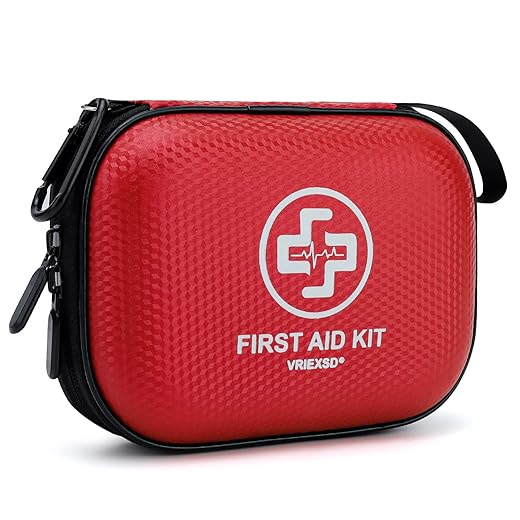
Carry compact, high-calorie emergency rations (extra bars or Datrex-style packs), a reliable communication device, and basic meds. Keep important contacts and an evacuation plan written down.
Bail to town if you’re losing more than you can replace: severe injury, dehydration, persistent vomiting, or no food/water options. Take a breath, use your buffer, and keep moving with calm steps — next we’ll cover the tools and trackers that make this planning painless.
Tools, trackers, and simple templates to make planning painless
Use a few good tools and the steady pieces of planning become easy. Below are copyable templates and low-effort systems that stop guesswork so you can enjoy the trail.
Quick resupply spreadsheet (copy-and-go)
Make a Google Sheet with these columns. Fill them once, tweak as you go.
Simple packing checklist
Pack once, reuse every resupply:

Daily food templates you can copy
Keep these ready so you don’t wonder what to buy in town.
Apps, maps, and trackers that save time
Use FarOut or AllTrails for water/road notes, Gaia GPS for offline maps, and Google Sheets for your resupply plan. For tracking pace and mileage, a simple Garmin watch or the Strava app is more than enough. For low-tech lovers, a pocket notebook plus nightly 2-minute log works wonders.
Keep notes and iterate
Each resupply, jot one line: “what worked / what failed.” Over two weeks you’ll have a tailor-made plan that takes five minutes to update before town.
With these tools and templates locked in, you’ll hike with less worry and more space in your head — next, step onto the trail with calm confidence.
Step onto the trail with calm confidence
You don’t need perfect planning—just a plan that fits you and a couple of backups to quiet your worst fears. With the map, calorie sense, resupply style, food choices, and logistics tools you learned, you’ll handle hungry miles, bad weather, and delays without panic. Resupply becomes fuel and small celebrations instead of stress.
Carry flexible options, stash a few extra emergency snacks, and pick towns or maildrops that match your pace. Now pack smart, trust your plan, savor the miles often, and send a note (or selfie) from the next ridge—you earned it.

Great checklist, loved the “know yourself and the trail” section. A couple of questions from someone obsessively detail-oriented:
1) When choosing between the Compact 150-piece vs the Compact 100-piece first aid kit, what do folks actually add/remove? I’m thinking gauze, tape, blister pads, meds.
2) How many CLIF bars per day do people realistically eat when they want high calories but not too much weight?
3) Any pro tips for labeling maildrops so a tired postmaster can find your packet quickly?
Long-time hiker, first-time thru — trying not to overpack but also not trying to eat my trail map for dinner.
Ty for the thorough question list, Lena. One extra: mark any meds that need refrigeration on the outside note so post office folks know to hold it differently.
Adding another quick note: include a small list of contingencies inside each maildrop (e.g., alternative pickup dates, if delayed contact info). That helped my reader a lot last season.
Great questions, Lena — I’ll answer briefly here and expand in a follow-up post:
1) Most people take the 150-piece kit and replace bulk bandages with compeed or blister squares, add extra tape, a SAM splint strip, and a small antihistamine.
2) CLIF bars: many hikers eat 2–4 per day as quick snacks between meals, plus 1–2 for breakfast depending on pace and calories needed.
3) Maildrop labels: include name, trail name, expected dates, and a bright sticker on the outside. Also include a note with phone number for the post office and a list of contents.
I’ll compile a printable checklist based on this — thanks for prompting it!
For maildrops, fold the label so the addressee info faces out and slap a second label inside. Postmasters appreciate clarity. Also put “TO: [Your Name] (THRU-HIKER)” big on the front.
I swapped out half the gauze in the 150 kit for blister bandages and extra moleskin. The 150 is worth it if you’re sharing with a partner, otherwise 100 is fine for solo if you customize it.
For CLIF bars, my math was 3 bars/day on average when in heavy mileage—mornings and short breaks. Pair with nuts or a small cheese wheel on town nights for variety.
Good high-level advice. I appreciate the breakdown between maildrops and town stops — made me rethink planned town frequency.
One neutral note: maildrops are great but the article could’ve emphasized postal hold vs general delivery differences by country a bit more. If you’re doing long sections in foreign places, that logistics detail matters.
Peak Refuel Beef Stroganoff vs Chicken Pesto: I tried both and will never look at real pasta the same way again 😂
Also: the comfort-food section legit saved my morale on day 12 when it was raining and my socks were auditions for a swamp musical. The freeze-dried meals are surprisingly tasty, but pro tip — rehydrate with hot water and add a spoonful of peanut butter (CLIF peanut butter bars inspired me) for extra calories and mouth-happiness.
PS — if you think maildrops are romantic, you haven’t had your package delayed by 10 days. Fun times.
I had a package sit in a sorting facility for 2 weeks on my last hike. Learned to plan an extra buffer for postal delays after that — maildrops are reliable 80% of the time, and the other 20% teach humility 😅
Adding peanut butter to freeze-dried meals is a revelation. Tried it after your comment — instant upgrade. Also LOL at “swamp musical” 😂
Thanks for the taste-test, Michael. Great idea about adding peanut butter for calories and flavor — I’ll add that suggestion to the food section. Sorry about the 10-day delay, that’s the worst. Which trail was that on?
If you’re worried about delays, ship to post offices with pickup hours and call ahead. Some towns are great about holding thru-hiker packages safely.
Short and sweet: the ultralight dry sacks actually made packing fun again. Less soggy food, less paranoia. 10/10 would recommend packing one for snacks and one for electronics.
Glad they worked for you, Ben. I usually keep one dry sack as my “electronics and documents” and one extra for emergency food — saved several phones from water damage on a river crossing.
This guide was exactly what I needed before my flip-flop PCT attempt. Loved the “resupply skeleton” idea — mapping big picture first saved me from random impulse town stops.
Practical notes I used from the article:
– Ultralight dry sacks were a game changer for rainy sections (kept my snacks and maps dry).
– CLIF Crunchy Peanut Butter bars = breakfast on the move.
– Packed a Compact 150-Piece Waterproof Mini First Aid Kit after a sprained ankle scare.
Small gripe: would love a printable template for maildrop labels. Otherwise, solid and calming advice!
Yesss love this — congrats on finishing. For the sprain I taped and elevated when town-accessible, but honestly the compact first aid kit + ibuprofen got me limping to the next shelter. Taping tutorial on YouTube helped a ton.
Quick tip: put a small zip with the tape + elastic wrap in your day pack separate from the main kit. Saved me from digging through big bags at night.
Thanks for the feedback, Sara — awesome to hear the dry sacks and CLIF bars worked out. I’ll add a printable maildrop label template in an update. Any details you had to tweak for the sprain that might help others?