

Blog, Camp Kitchen
6 Easy Steps to Cook & Clean on Tiny Water — Save Your Food and Sanity

May
Tiny Water, Big Wins: Cook & Clean Without Losing Your Mind
You’re low on water, hungry, and stressed — but YOU’VE GOT THIS. This short guide shows six easy steps to cook, clean, and save your food with tiny water. Stay calm, eat well, and leave camp proud and worry-free and smiling.
What You Need (and What You’ll Learn)

Stretch Every Drop: Measure and Prioritize
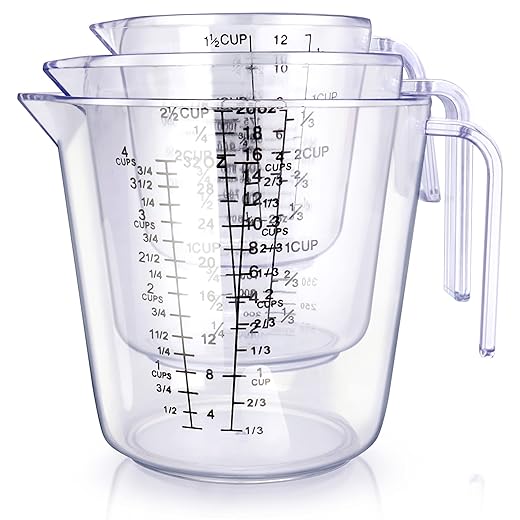
Want to make three meals from one bottle? Start with smart math.Measure your supply the minute you open it. Pour water into a clear bottle or jar and mark sections with tape or a Sharpie: drinking first, then cooking, then cleaning. Seeing the lines calms you and stops panic.
If you have 1 liter, mark 0.5 L for drinking, 0.3 L for cooking, 0.2 L for cleaning. Choose no-cook meals (wraps, canned tuna, nuts) when water is tight. Decide which meals need hot water—coffee and instant soups earn priority; pasta can wait. Prioritizing like this hands control back to you, not the bottle.
One-Pot Wonders: Cook Smart, Save Water
Why dirtying one pan beats doing a sinkful of dishes.Choose one-pot meals so you don’t juggle pans and waste water. Pick rice with veggies, stews, or canned beans and call it dinner — less mess, less stress.
Use a tight lid to trap steam so you need less water and less fuel. Measure grains and beans exactly: follow the cook-to-water ratio on the bag, not eyeballing it.
Measure water, then cook. Reuse that flavorful cooking liquid for salads, soups, or rinsing dishes to squeeze extra value from every drop.
Keep cookware simple: a single pot, a spoon, and a lid. Pack lightweight chopping tools and pre-cut veggies to speed things up.
Enjoy your meal and the extra time — fewer dishes, more sunset.

Breathe Easy: Minimal Water Cleanups That Work
Soap, heat, and a single cup beat hours of scrubbing — seriously.Scrape or wipe solid food into a compost bag or trash—don’t wash away scraps. Save water and avoid the gross sink-scrub dread.
Use one cup of hot soapy water to wash, one cup to rinse, and a cloth to dry. Heat helps: pour a bit of boiling water into the pot to loosen stuck bits before you scrub.
Work methodically: wash, rinse, dry. Example: after pasta, scrape, pour boiling water to soften sauce, scrub with your one-cup wash, sip your reward — and enjoy a clean pot with barely any water.

Reuse and Recycle: Turn Cooking Water into Clean Water
Gross? Not if it saves your stew and your sanity.Don’t dump usable cooking water. Strain pasta or veggie water into a container and use it to pre-rinse dishes or to warm a quick wash. It’s not for drinking, but it’s perfect for cutting soap use and reducing rinse cycles. Keep meat juices separate and avoid cross-contamination.
Use these quick rules to stay safe and simple:
Strain and save: Pour pasta or steamed-veg water into a mug, pot, or sealable bottle.
Avoid contamination: Pour meat or poultry juices into a different container and discard.
Store and reuse: Keep the saved water covered and warm it to pre-rinse pans or soften stuck food before you scrub.
Try this example: after boiling pasta, strain into a thermos, pour a bit to loosen sauce, then use the rest to pre-rinse — less soap, fewer rinses, happier you.
Low-Water Tricks: Heat, Steam, and Wipes
Steam can clean, and wipes can rescue a pot — like magic.Boil a small cup of water and let steam loosen stuck-on food so you don’t scrub for ages.
Cover the pot or pan and wait a few minutes—steam does the hard work while you breathe easy.
Wipe softened food away with a cloth or paper towel; you’ll use tablespoons of water instead of gallons.
Use biodegradable wipes for stubborn spots to save time and reduce rinsing.
Grate away burned bits with a little sand or ash if you’re camping, and pack out ash or scatter it in a low-impact spot.
Pack a tiny microfiber cloth and a couple of wipes before you leave so you don’t face a messy melt-down at the end of a long day.

Plan Ahead: Pack, Practice, and Keep Calm
The difference between a ruined meal and a campfire feast is a little planning.Portion your meals before you leave so you won’t overcook. Pack single-serve bags of rice, pre-cut veggies, or measured spice pouches so you only heat what you’ll eat.
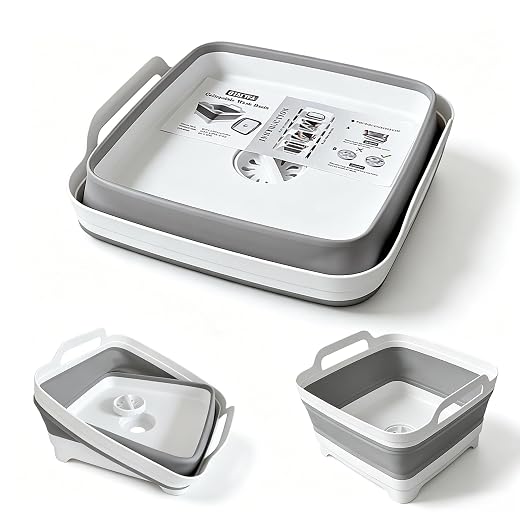
Pack a small microfiber dishcloth, extra soap, and a collapsible sink or basin if you can — these save rinses and panic time. Imagine finishing dinner and wiping the pot in two swipes.
Practice your one-pot recipes at home so you know exact water needs (e.g., 1 cup rice : 1.5 cups water). That knowledge stops guessing and wasted water.
Plan simple roles when you camp: who cooks, who boils, who rinses.
When things get tense, breathe, share chores, and remember: a calm cook wastes less and enjoys more.
You’ve Got This — Tiny Water, Big Victory
You’ve learned to stretch drops, cook simply, clean with calm, reuse water, and use low-water tricks — moves that rescue meals, sanity, and time so your trip stays fun. Ready to turn tiny water into victory?

Ok but who else hates measuring cups? 😂
I get the logic — stretch every drop — but sometimes I just wanna eyeball it and hope for the best. That said, the steam tricks in Step 5 are genius for reheating without a ton of water.
Also, there’s a typo in Step 3 (I think it says ‘mininal’ instead of ‘minimal’).
I feel you. I use a 1-cup mug as my go-to measure — not fancy, but consistent enough for low-water cooking.
Good catch on the typo, Daniel — fixed it! And haha, eyeballing is a vibe; if you’re into quick estimates, try marking a reused jar with lines for common amounts so you can eyeball with more accuracy.
Hmm. I like the vibes but some of the ‘low-water tricks’ read like survivalist hobbyism. Steam everything? Use wipes for pans? 😂
Still, I’ll admit the one-pot section convinced me to try steaming veggies above my rice instead of running a zillion pots. Not mad about the results.
I used to roll my eyes too, but a mix of tiny habits is what makes it doable — not going full survival mode every day.
Wipes are for quick cleanups, not forever — scrub when you’ve got time. But 100% recommend steaming veggies over rice. So easy.
Haha, survivalist hobbyism is a fair description — we tried to keep it practical for everyday life, not extreme camping. Glad the steaming trick worked for you.
Really solid advice overall, but one thing I’d caution readers about: reusing cooking water can be great, but if you cooked meat or something with a lot of grease/salt, I’d avoid using that water on houseplants or for washing delicate produce.
Maybe add more detail on what types of cooking water are safe to reuse and which ones to discard. Food safety matters, and so does plant health.
Agreed. I once poured oily pan rinse on my basil and it did not forgive me. 😅
Excellent point, Maya. We should have been clearer: avoid reusing water that has raw meat juices, heavy grease, or lots of salt for plants or cleaning food. I’ll update Step 4 with specific do’s and don’ts. Thanks!
You can also filter greasier water through a basic sieve and cool it — still, better to use it for non-edible plants if it’s oily.
Added a short checklist in the article: “OK to reuse: vegetable boiling water, pasta water (unsalted or low-salt). Don’t reuse: water with raw meat juices, heavy grease, or strong salt/seasoning.”
Okay, here’s my two-cents from a camping background — so maybe some tips are obvious, but they translate well for home drought-prep too:
1) Measure the water you usually use for a single-person meal once, then label a jar. That little habit prevents overpouring.
2) One-pot with layering works: cook grains first, add veg later to steam on top so you only use the steam/condensate for a quick rinse.
3) For cleanup, wet a microfiber cloth with a small amount of dish soap and scrub — you can usually rinse the cloth in the sink once and reuse it for the rest of the dishes.
4) If you’re nervous about reusing water for plants, use it for the toilet flush if that’s an option (if you’re in a place where that’s allowed) or for floor mopping.
5) Practice once a week for a month and it becomes muscle memory.
Hope some of these granular tips help people. I also love the ‘Breathe Easy’ section — saved my sanity on busy nights. 😊
The layering idea is smart. I’ve been doing something similar with rice and frozen veg and it’s a game changer for water/time.
Fantastic practical tips, Olivia — especially the microfiber cloth rinse method and the jar measuring trick. We’ll add a camping-to-kitchen note; great crossover advice.
Agree, Ethan — reuse practices should respect local plumbing and health guidelines. We’ll add a short caution about that.
Love the microfiber trick. Also, for apartment dwellers, a small spray bottle with diluted soap helps target spots so you don’t dunk dishes as much.
Using dishwater for toilet flush is such a grown-up move 😂 but efficient in a pinch. Make sure local regs/filters are considered though.
Short and sweet — tried the planning tips (Step 6) and they actually stopped me from overcooking two potatoes last week. Win.
Also, the ‘pack, practice, and keep calm’ slogan is low-key motivational lol.
Happy to hear it helped, Luis! The calm part is underrated — planning removes the panic that usually leads to ‘wasteful water decisions.’
Same! Meal planning makes the tiny-water approach way less stressful, at least for me.
This guide is a lifesaver — seriously. I live in an apartment with super unreliable water pressure and the one-pot ideas + measuring water have actually saved me a ton of time.
I tried the pasta-in-a-pan trick from Step 2 and reduced my water use for cooking by at least half. Also, reusing the rinsing water for plants (Step 4) worked great — just let it cool first.
Couple of tiny notes: I was nervous about reusing starchy pasta water on herbs, so I used it only on hearty plants and they loved it. Also, the wipe-clean tips in Step 5 are perfect for quick weekday dinners.
Thanks for making this practical and not preachy. Would love a printable checklist version!
Yesss pasta-in-a-pan changed my life too. Pro tip: toss in the pasta water a little at a time for sauce consistency, then save the rest for plants. 👌
Thanks so much, Claire — really glad the one-pot and reuse ideas worked for you. Great tip about letting water cool before using it on plants; I’ll add a short safety note in the article about that.
Totally agree about the printable checklist idea — would help me remember the measure-and-prioritize step when I’m rushing.