

Backpacks, Bags & Accessories, Blog, Bushcraft Tools, Camp Kitchen, Navigation & Electronics, Other Camping Gear, Sleeping Bags & Bedding, Tents and Shelters
Go Farther, Hurt Less: Quick Wins to Cut Your Baseweight

May
Why Baseweight Matters (And Why You’ll Love Cutting It)
You want to go farther, feel stronger, and enjoy the trail more. Carrying too much weight steals joy, kills energy, and makes miles feel cruel. This guide gives quick, practical wins you can do without buying fancy gear.
You’ll audit what’s sneaking into your pack, favor multi-use items, trim food and sleep systems, and lean on skills and resupply. Small changes add up fast — less pain, more freedom, better memories.


Start Small: Change Your Mindset and Set Real Goals
Think small wins, not instant perfection
You don’t have to become an ultralighter overnight. Swap “what if” anxiety for smart trade-offs: ask, “What’s the risk vs the weight saved?” Choosing a lighter quilt over a heavy sleeping bag might lose a degree of warmth but gain miles and smiles. Picture finishing a 12-mile day without a sore back — that’s worth tiny compromises.
Find your realistic “light” number
Baseweight categories help you pick a goal that matches your trips:
Weighing accurately makes goals do-able. Put your gear on a bathroom scale, subtract food and water, and set one clear target you can reach in stages.
Quick checklist to set your target
These tiny mindset shifts turn fear into confidence and make ditching excess feel smart, not scary.
Do a Gear Audit: Find the Weight That’s Sneaking Around
Lay everything out and weigh it
Dump your pack on the floor. Take photos, then weigh every item (including cords, extra batteries, and that “just in case” sweater). Write the weight on the photo or a sticky note. You’ll be surprised how small things add up — a forgotten paperback or a bulky towel can cost you pounds and peace of mind.
Photograph, list, and sort what you actually use
Make a simple list: Keep / Maybe / Lose. Look for:
Test swap on short outings
Don’t guess on a big trip. Replace one item for a weekend: try a lighter cook system (MSR PocketRocket 2 vs Jetboil), a lighter insulation layer, or a compact stuff sack like Sea to Summit Ultra-Sil. If you miss it, bring it next time. If not, you just earned miles and joy.
You’ll feel lighter physically and mentally — and that clear pack sets you up perfectly to choose smarter, multi-use gear next.
Choose Multi-Use Gear: One Item, Many Jobs
Think in functions, not things
Stop buying things for a single moment on the trail. Ask: what problem does this solve? If one item can heat, eat, and store — it wins. You’ll carry less, decide less, and enjoy more. I once swapped a bulky bowl set for a single pot that did the job of bowl, plate, and storage — and the extra brainspace was priceless.
Real multi-use swaps that actually work
Choose items that cover real, repeating needs:
Weigh the trade-offs fast
Light often costs money and can be less tough. Prioritize multi-use where failure hurts most: shelter, sleep, and navigation. For low-risk items (spoon, cup), go ultra-light. Carry one tiny backup for critical single-point failures (a duct-tape wrap or spare cord). Pick gear that solves problems you actually face on the trail — not stuff you imagine — and you’ll hike simpler and happier.
Trim Your Food and Cooking System Without Starving Yourself
Plan for calories, not volume
You don’t have to eat cardboard to eat light. Choose calorie-dense foods so you carry less weight for the same energy. Nuts, peanut butter, cheese crisps, and olive-oil-packed tuna are trail-proven. Quick rule: aim for foods that give 500–700 kcal per 100 g when possible — that’s real mileage in your legs and smiles at camp.
Smart swaps that actually save weight

Minimal cook setups and cookless tricks
Go micro: a titanium pot and alcohol or ultralight canister stove weigh next to nothing. Or skip the stove entirely — eat cold couscous, jerky, nut butter wraps, or energy bars on hot days. Plan resupply points so you only carry a 1–3 day food supply when possible. Cooking less saves weight and gives you more energy for morning climbs — and more time to enjoy the view before bed, which leads right into dialing in your sleep and clothing layers next.
Sleep Systems and Clothing: Cut Bulk, Keep Comfort
Sleep smarter, not heavier
Sleep and warmth aren’t optional, but they don’t have to be heavy. Swap a big three-season bag for a lighter quilt plus a puffy jacket and you often save a pound or more without getting cold. Match your kit to the season: a 20°F quilt + insulated jacket beats a 3–4 lb cold-weather bag for many trips.

Pick the right pad and care for layers
R-value matters more than thickness. A good inflatable pad (Therm-a-Rest NeoAir XLite style) gives warmth with low weight; for winter, pair a thin air pad with a closed-cell foam for added warmth underfoot. Protect down: keep it dry with a packable stuff-sack and dry clothes at night.
Quick, practical clothing rules
Real-life swap that works
I once traded a heavy bag for a 12 oz quilt and a 10 oz puffy—saved 1.5 lb and slept warmer. Small choices like this free up energy for the trail and fewer regrets at the end of the day. Next up: keeping those savings safe with basic skills, repairs, and smart resupply.
Skills, Repairs, and Smart Resupply: Reduce Gear, Not Safety
Learn a few high-leverage skills
You don’t need a toolbox if you can sew a rip, jury-rig a pole, or re-tape seams. Practice:
These few moves let you leave behind duplicate parts and heavy spares. I once saved a weekend with a zip-tied pole splint and slept like a champ.
Pack a tiny, smart repair kit
Carry small, multi-use items that solve most problems:
A compact kit saves ounces while covering 90% of trail damage.
Plan resupply like a pro
Skip bulky food by resupplying in towns or using mail drops. Match your stove/food to the place: if towns are frequent, carry a simple alcohol stove or even no stove at all. Map out bail routes and know nearest roads or ranger stations.
Safety first, lightweight
Carry a reliable headlamp, a basic first-aid kit, a whistle, and a charged phone/power bank. Leave heavy extras when you’re close to help; keep essentials when you’re remote.
Practice repairs at home so you’re calm on-trail — that confidence is what truly lets you carry less and enjoy more. Next: Take your first light step and feel the difference.
Take Your First Light Step and Feel the Difference
Pick one small change today—ditch one heavy item or tweak your food plan—and test it on a quick overnight. Notice less strain, more miles, and more smiles. Celebrate the gain, tweak again, and you’ll be hooked: lighter pack, happier trails, longer trips. You deserve this reward.

This article nails the mindset piece — ‘start small’ is such underrated advice. I spent a whole season obsessing over ounces and burnt out.
I did the 12L hydration pack test you mentioned (running pack + bladder) and it worked well for day hikes. It won’t replace a proper backpack for multi-day trips, but for ultralight-day setups it’s brilliant.
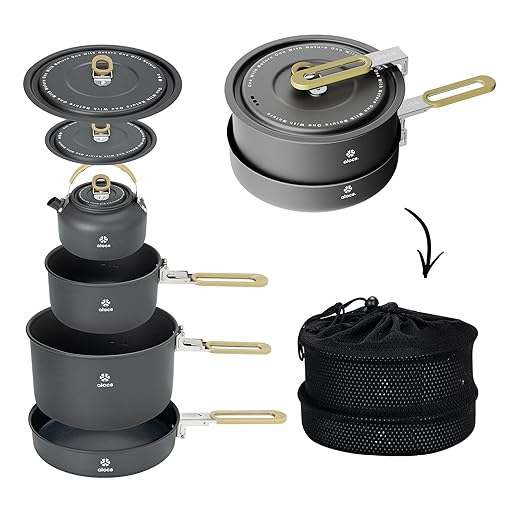
Also curious if anyone has tips on trimming the cook system beyond the 5-piece mess kit? I want to keep cook options but ditch extras.
I replaced my full utensil set with just a titanium spork + a small titanium cup. Went from 8 pieces to 2 and didn’t miss anything.
Also try dehydrating your own meals; portioning into single-serve bags removes the need for measuring spoons or bulky packaging. Takes practice but worth it.
Totally agree on the mindset. For cooking: think about meals that require one pot and minimal utensils. A folding spork, a small lid that doubles as a plate, and using the pot for both boiling and eating cuts a lot of weight.
Freeze-dried pouches like the Peak Refuel chicken pesto are great because you can eat straight from the pouch — no extra bowl, fewer dishes.
This paragraph on skills and resupply was my favorite. Learning to repair a sleeping pad patch saved me carrying an extra pad last year. Also, lol at finally admitting I have too many socks.
Five lines minimum? Okay here we go:
I like to plan resupply points ahead of time and mail myself a snack box with 2-3 items (Peak Refuel + some bars). Cuts the need to carry 3 days of food at once, which changed my hiking rhythm and my knees’ happiness.
Also — big fan of multipurpose clothing. My windshirt doubles as a splash layer and pillow when stuffed. 😴
I always have a backup day of food in my pack and pick reliable post offices. Try to keep the drop flexible in dates to avoid panic.
Mail drops are underrated. Glad the resupply tip worked for you — lighter legs and happier knees are the best outcomes.
How do you handle shipping delays? I worry about relying on mail drops too much.
Same here on the windshirt pillow hack. I stuff it into my pack lid and it’s instantly a headrest!
Good point, Jason. Leave a buffer day and use local shops where possible. And yes — a backup day of calories is a must.
Short and sweet: the advice on the bathroom scale and luggage scale is gold. Who knew my tent stakes were freeloaders? 😂
Haha, stakes are the sneaky ones for many folks. That portable luggage scale is a cheap way to be honest with yourself about what you carry.
Same here. The high-precision bathroom scale helped me weigh baseweight vs total weight. Shocked at first, but made smart swaps after.
Loved the section on trimming food without starving. Peak Refuel chicken pesto is actually pretty tasty and takes minimal prep. I microwave it at home before testing portions and know exactly how filling it is. Also, the 5-piece cookware set seems tempting but check if any pieces overlap with your existing gear — duplicates = extra oz.
I kept only the pot from a 5-piece set and passed the rest to my buddy. One person’s extra is another’s upgrade!
Good strategy to test meals at home — saves unpleasant surprises on the trail. And yes, check for overlap with existing gear before buying sets.
Sarcastic take: I tried to go ultralight and accidentally went ‘ultranaked’ — left my spoon at home and had to eat a pouch like a savage. 10/10 experience, would recommend once. 😅
On a serious note: the article’s ‘start small’ advice saved me from an expensive shopping spree. I trimmed one thing at a time and it felt sustainable.
Love the honesty — we’ve all eaten out of a pouch with hands once or twice. Great to hear the small-steps approach worked for you.
Hahaha ‘ultranaked’ made me spit my coffee. Spur-of-the-moment trail dining builds character!
I accidentally left my stove fuel at home on a solo trip and survived on cold Peak Refuel pouches. Not ideal, but it worked.
Loved the sleep systems section. I can’t overemphasize how much comfort matters — you can go ultralight but miserable, or slightly heavier and actually enjoy your trip.
That Naturehike bag looks tempting for weekend trips though. Anyone tested its compression into a small sack?
You’re right — comfort beats pure weight for many. About the Naturehike bag: it compresses decently but consider adding a waterproof stuff sack if you’re in damp conditions; insulation performance can drop when wet.
I got one last season. It compresses well into a 10L-ish sack — not miracle-small, but definitely compact for its warmth.
Constructive nitpick: the article mentions the 12L hydration running backpack like it’s a one-size-fits-all solution. For folks carrying a tent and sleeping bag, that won’t cut it beyond day hikes. Maybe add a short note clarifying pack capacity vs trip length. Otherwise solid tips!
Yeah, context matters. I use a small running pack for 1-night ultralight trips, but for multi-day I switch to a 40L+ frame pack.
Agree — maybe a quick table or checklist of pack sizes for trip types would help readers choose better.
Fair point, Daniel — good catch. The intention was to highlight light options for day or fastpacking setups, but I’ll add clarity around trip duration and pack choice.
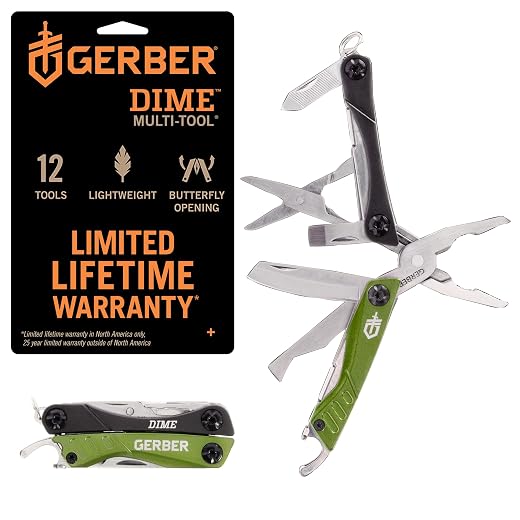
Quick shoutout: that Gerber Dime 12-in-1 mini EDC is a lifesaver. Lost my tent clip on a windy night and boom — multitool saved dinner. Also, the luggage scale tip should be mandatory reading 😂
Pros: small, cheap, fits on keychain
Cons: tiny pliers can be fiddly with cold hands
Anyone else have a weird ‘tool saved the trip’ story? 🙂
Love these little rescue stories — they remind readers that skills + a small tool beat a full toolbox. Thanks for sharing!
I used the Dime to fix a ripped pack strap with paracord and a well-placed stitch. Tiny tool, big vibes.
On weighing gear: I actually compared the high-precision bathroom scale vs the portable hanging luggage scale mentioned. Bathrooms scale is awesome for body+pack baseline, but the luggage scale was more accurate for small items like stoves, pots, and that Peak Refuel pouch. Saved me from carrying an extra fuel bottle I didn’t need. Pro tip: weigh items in grams if possible, small changes add up fast.
Great tip about grams — many readers underestimate how quickly ounces accumulate. Good observation on scale roles too.
Emotional investment is real. But hey, the toothbrush was a gateway oz-splitter for me 😂
Haha, I weighed my toothbrush once. Turns out it’s not worth the emotional investment to shave 2 grams.
I use the luggage scale for my food pouches. Peak Refuel pouches are light but some packaging is bulky; weighing helps decide which meals to swap.
Great read — this actually made me want to do a proper gear audit this weekend.
I loved the part about choosing multi-use gear. I swapped my bulky frying pan for a small pot last week and honestly, the pack felt like 2 lbs lighter. The article nudged me to try the Gerber Dime multitool too (I already carry one of those keychain tools and forgot how handy they are).
One question: anyone paired the Naturehike sleeping bag with a lightweight quilt? Wondering if that’s overkill or actually comfier for 3-season hikes.
I did that combo last fall. The quilt helped with draft points where the bag zipper sits. Slightly more bulk, but better sleep in 40-50°F nights.
Thanks, Emma — glad it inspired a gear audit! I’ve used the Naturehike bag with a thin quilt in shoulder seasons and it worked well for extra warmth without much bulk. Layering is key.
If you’re trying to shave ounces, consider just a thin fleece liner instead of a quilt — often lighter and still adds warmth.