

Tents and Shelters
Does the MSR Access 2-Person 4-Season Tent Hold Up in Extreme Weather?

Aug
A four-season label is a starting point—not a promise of a calm night above treeline.
At 2 a.m., the question is rarely whether a tent can shed a few flakes. It is whether the poles and guy points can keep the canopy off sleeping bags while gusts load one side, spindrift finds an unsealed vent, and fresh snow turns a shallow pitch into a sagging roof.
Extreme weather is a system, not a temperature reading. Wind exposure matters more than the forecast low on many winter ridges; 25°F in a sheltered forest can be gentler than 35°F on a scoured pass. Snow type changes the demand as well: dry powder accumulates differently from wet, adhesive snow, while repeated thaw-freeze cycles can strain fabric and anchors. Site selection—using natural wind breaks without camping beneath loaded branches or avalanche terrain—often determines whether a lighter winter shelter remains comfortable. Finally, commitment matters. A quick overnight near a trailhead allows retreat; a multi-day ski tour or high-elevation traverse demands more margin for poor pitching conditions, damaged anchors, and a storm that arrives earlier than expected.
Built for moving camps, not weathering every summit
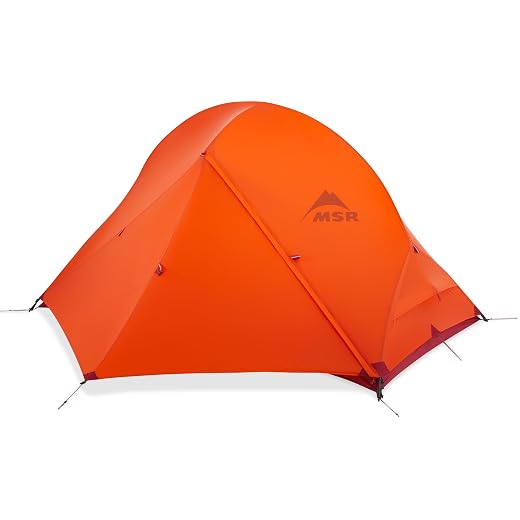
Best for lightweight winter shelter near treeline
The MSR Access 2 occupies the useful middle ground between a three-season backpacking tent and a full expedition shelter. Its low-bulk, snow-capable concept suits ski tourers, splitboarders, and snowshoers making deliberate camp choices near treeline or in sheltered basins. For parties planning to sit out repeated high-wind cycles on exposed alpine terrain, a heavier mountaineering tent remains the more conservative tool.
- A notably mobile option for winter travel where each carried ounce affects the day.
- Limited body mesh and a snow-capable frame target cold, accumulating conditions.
- Two doors and dual vestibules keep wet boots, skins, and packs outside the sleeping area.
- It has less margin than a dedicated expedition tent when wind exposure and storm duration rise.
- Two winter sleepers with lofty bags, insulated pads, and drying layers will fill the inner quickly.
- Vestibules help organization, but cooking and gear management still demand disciplined routines.
In brief The Access 2 makes most sense when terrain selection is part of the shelter system. It trades some bombproof, expedition-style reserve for a carry weight that better matches mobile winter objectives.
For two people traveling through winter terrain rather than establishing a storm-bound base camp, the Access 2 is a compelling balance of warmth, organization, and portability. Its two-person rating is realistic for sleeping, not for spacious indoor living: bulky sleep systems and damp layers quickly consume the cabin. Select protected terrain, manage snow loading and condensation actively, and it can be a highly effective companion; treat it as an exposed-alpine fortress, and its compromises become more apparent.
What “four-season” must prove
A four-season rating should mean more than a fabric skirt and extra poles. For a moving winter camp, a credible shelter should remain taut after repeated gusts, shed or tolerate several centimetres of overnight snow between checks, and preserve usable ventilation when every vent cannot be left wide open. It should also pitch securely with gloves on, using anchors that hold in the actual snow—not merely in packed trailhead crust.
The Access 2’s lightweight, hubbed pole structure and steep-ish panels suit protected-to-moderately exposed winter travel better than prolonged alpine punishment. Its limits appear when wind loads arrive broadside for hours, wet snow accumulates faster than it can be cleared, or the site offers no terrain protection. In those conditions, a heavier expedition tent with more poles, denser guy-out coverage, and larger snow-load margins is the more conservative choice.
Pitch quality changes the equation. Stake the narrow end into the prevailing wind where possible, tension all guylines before dark, and use buried skis, pickets, or deadman anchors in unconsolidated snow. Re-tension after the fabric cools and clear drifted snow before it can deform the canopy.
Use these decision points
Conditions, not the calendar, determine whether this is an appropriate shelter.
Use trees, rolls in the terrain, or snow walls for wind reduction; avoid gullies and loaded slopes.
Brush accumulation regularly, especially wet snow, and inspect pole crossings and guy points after each storm cycle.
For remote, above-treeline, multi-day exposure, allow a wider safety margin than for a sheltered overnight camp.
Where the Access 2 holds its ground
The Access 2’s steepened canopy and relatively taut fly can shed light, cold snow reasonably well when the tent is pitched squarely and the fabric is kept tensioned. Its pole architecture supports the roof better than a three-season backpacking tent, but it is not designed to ignore accumulation. Snow that bonds to the fly—especially warm, wet snow—can bridge between panels, flatten the roof profile, and transfer meaningful load to the poles.
For an overnight in the trees, on a lee-side bench, or at a deliberately protected camp below treeline, that balance makes sense. A sound pitch matters as much as the tent: orient the smallest practical profile toward the prevailing wind, use every guy-out point conditions justify, and build deadman anchors that are buried deeply enough to set. The practical details of pitching a tent safely in high wind often determine whether the shelter stays quiet and stable through the night.
Stability requires active management
The Access 2 is most convincing when occupants can periodically brush snow from the fly and reset slackened guylines. Cold, dry powder is usually manageable; heavy maritime snow, freezing rain, and repeated thaw-refreeze cycles are a different operating environment. Leaving any lightweight winter tent unattended under those conditions invites progressive loading rather than clean shedding.
Wind resistance is similarly conditional. The tent can handle gusty weather in terrain that breaks and diffuses the wind, particularly when its broad panels are well supported by guylines. In sustained, turbulent winds above treeline, however, fabric deflection, noise, and pole stress become more consequential. Ridgelines, glacier flats, broad alpine saddles, and long storm-bound camps call for a burlier expedition-oriented shelter—or a conservative change of camp location or objective.
This is therefore a fast-moving winter shelter, not a license to camp wherever the forecast looks marginal. Its strongest use case is a well-chosen site, an attentive team, and enough margin to relocate before wind or snow turns a manageable night into a shelter problem.
After fresh snowfall, inspect the fly, roof tension, and anchors before sleeping and again after major wind shifts. If wet snow begins to cling and accumulate faster than it can be cleared, moving to more sheltered terrain is the prudent response.
Frost usually starts with the sleepers
In a sealed winter shelter, two sleepers can release a surprising volume of water vapor overnight through breathing and perspiration. Warm, humid air rises until it meets the cold inner canopy or fly; once its temperature falls below the dew point, it becomes condensation, often freezing into a white coating. That frost can later melt onto sleeping bags when sun, a stove, or body heat warms the tent.
Before blaming the fly, start by distinguishing condensation from a true leak. Condensation is usually broad, heaviest near the roof and doors, and changes with occupancy; a leak tends to recur at a seam, panel, or contact point even in an empty tent.
Keep vapor moving
- Vent high and low: Open roof vents and a door-top gap enough to create a gentle chimney effect, while keeping spindrift out.
- Protect airflow: Pitch the Access 2 so vestibules and vents are not pressed into a snowbank; clear buried vent openings after snowfall.
- Isolate wet gear: Leave boots, shells, and snow-crusted packs in the vestibules when practical. Drying them inside adds vapor faster than most venting can remove it.
- Choose cold, open air: A slight breeze and a site above damp hollows generally ventilate better than a sheltered depression. Avoid pitching directly beside open water or saturated ground.
A dry base layer and a brief pre-sleep shake of snow from clothing reduce the moisture load before the zippers close.
Four-season is not a blank check
The four-season label signals a tent designed for snow and cold; it does not make every model a high-altitude expedition shelter. The Access 2 is relatively light for a double-wall winter tent, and that weight-saving mission leaves less reserve for repeated heavy snow loading, sustained crosswinds, and days spent pinned inside.
Space and security in a long storm
Two sleepers, insulated pads, bulky winter bags, and drying layers quickly consume the inner tent. The dual vestibules help separate boots and packs, but neither turns the shelter into a comfortable multi-day base camp. In worsening weather, a party should plan food, fuel, and snow tools so essential tasks can happen without repeatedly opening the inner door.
Pitching is part of the structure
The tent needs every stake point and guy point that conditions justify. In snow, buried deadman anchors or purpose-built snow anchors need time to freeze in; ordinary pegs in loose powder provide little confidence. Re-tension guylines after the fabric cools and after snowfall, and position the narrow end toward the expected wind where terrain allows.
Clear accumulating snow from the roof before it compacts or turns wet. Also avoid digging the tent into a drainage trap: wind-blown snow walls can reduce exposure, but they need gaps or a layout that preserves ventilation.
Before a trip likely to involve persistent rain or wet snow, inspect the fly coating, seam tape, guyline knots, pole sections, and stake loops. Refresh exterior water repellency only when water no longer beads, and repair lifting seam tape or pinholes before departure. A sound pitch and maintained fly matter more in prolonged wet weather than the season rating on the label.
What the rating does—and does not promise
The Access 2 is better suited to mobile winter camps and moderated exposure than to severe, prolonged alpine storms.
Its lighter architecture offers less margin when wind and wet snow arrive together.
Snow anchors, guylines, and roof load need periodic checks.
Loose snow can settle, wind can slacken lines, and wet accumulation adds weight quickly.
It sleeps two, but winter clothing and storm-day routines make the interior feel compact.
Insulated sleep systems and moisture management consume usable space.
Choose margin for the conditions that matter
- A favorable overnight forecast does not offset the consequence of being pinned down by wind or wet snow.
- Route options, terrain shelter, and the ability to retreat are part of the tent’s effective storm margin.
The MSR Access 2 makes sense for winter tours where low carried weight, frequent camp moves, and protection from ordinary snow and sheltered wind matter more than sitting out a prolonged exposed storm. It is a credible choice for treeline travel, ski approaches, and cold, relatively dry snow—provided the camp is selected carefully and maintained as conditions evolve.
For ridgelines, broad alpine basins, maritime snow, or trips where a retreat may be delayed, an expedition shelter offers a more reassuring reserve in stronger poles, fabric support, and guy-out capacity. The decision should follow the worst reasonably expected weather and the cost of waiting it out, rather than the average forecast.
