

Blog, Camp Kitchen
How to Stop Your Food from Spoiling on Camping Trips with Solar Fridges & Battery Coolers

May
Keep Your Food Fresh, Not Your Worries
You love the outdoors but hate soggy sandwiches and wasted food. This guide shows you how to stop food from spoiling on trips with solar fridges and battery coolers. Follow simple steps so your meals stay FRESH, your gear stays light and your worries melt.
What You’ll Need Before You Head Out

Pick the Right Cooler and Fridge for Your Trip
Don’t guess — match gear to your trip or risk sad, spoiled meals. Which size and type actually work for you?Choose a unit that matches your trip length and the number of people. You’ll relax more when you stop squeezing everything into a tiny box.
Think about these points:
Example: for two nights, go small and mobile; for a week with friends, choose a larger solar fridge.

Plan Power Like a Scout: Know Your Energy Needs
Want your fridge to run all weekend? Do the math now so you don’t wake up to warm milk and regret.Calculate how many watt‑hours (Wh) your fridge uses: multiply the fridge’s running watts by the hours it will run each day. Add a safety buffer (20–40%) so you don’t wake up to warm milk.
Follow these quick steps:
Choose a battery with enough usable capacity (don’t plan on draining 100% — lead acid ~50% usable, LiFePO4 ~80–90%). Size solar to replace your daily Wh under likely sun — e.g., 1,560 Wh ÷ 4 peak sun hours ≈ 390 W of panels, plus cloudy-day headroom.

Pre-chill and Pack Smart to Maximize Cold Time
A frozen gallon of water is your best friend — packs, layers, and order matter more than you think.Pre-chill your fridge or cooler the night before so it starts cold. Freeze water bottles and meat—these act like slow-melting ice packs and keep temps steady.
Freeze extra water bottles or a gallon jug; use them as thermal mass so the fridge doesn’t struggle when you open it. Pack coldest items in the center and place things you grab a lot on top to cut open-door time.
Use airtight containers to stop leaks and smells. Group food by temperature need: dairy & meat together, veggies and snacks together.
Seal everything well and load smart so your battery lasts and your meals stay tasty.

Set Up Your Solar Panels and Battery Right
Panels in the wrong spot = wasted sun. Small setup tweaks give you big peace-of-mind wins.Place panels where they get unobstructed sun for most of the day.
Angle them toward midday sun when possible — aim about 20–35°; set panels on a south-facing picnic table and strap to the leg if windy.
Keep panels clean and secure them against gusts; wipe off dirt and use ratchet straps or bungees.
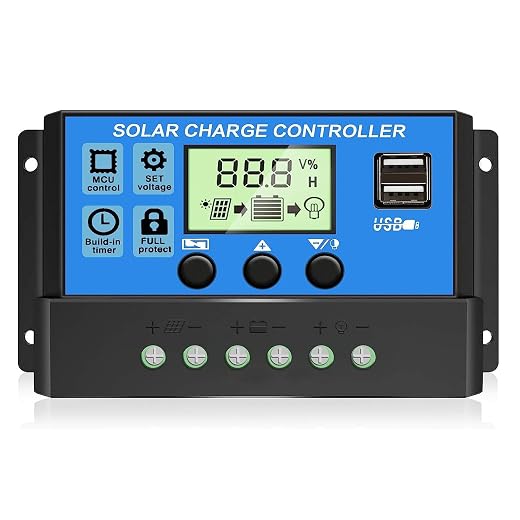
Connect the charge controller between the panel and battery to prevent overcharging and damage.
Use proper gauge wires and inline fuses — check the controller manual to match amperage and cut voltage drop.
Mount the battery in a ventilated, dry spot and secure it to prevent tipping.
Protect the battery terminals and run cables neatly to avoid trips and shorts.
Doing this once, correctly, keeps your system charging reliably so your food stays cold without constant babysitting.
Manage Temperature and Monitor Like a Pro
A quick habit change prevents rotten surprises — check and tweak, don’t ignore.Check temps daily with a reliable thermometer — aim for fridge temps under 40°F (4°C). Read it each morning and before bed so small problems don’t surprise you.
Limit openings: grab everything you need at once and close the lid quickly to keep cold in. Treat the fridge like a vault.
Use a short written checklist you tick off every day:
React fast if temperatures rise: move perishables into the coldest drawer or against frozen packs. For example, if milk hits 45°F, tuck it beside a frozen gel pack and close the lid.
Small, routine checks reduce anxiety and stop food loss before it happens — you’ll sleep better and eat better.

Have Backup Plans: Low-Sun & Emergency Tricks
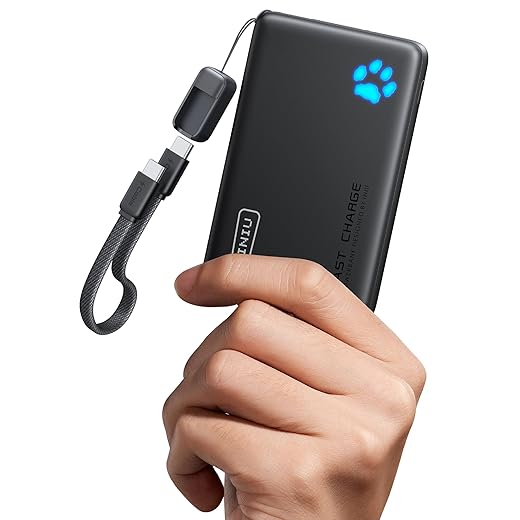
Clouds come. Batteries dip. Here’s how to keep calm and keep eating when things go sideways.Bring a small 20,000 mAh power bank or a compact gas canister stove so you can cook if the battery dies. A tiny stove (like an MSR PocketRocket) saves meals when solar fails.
Pack extra frozen water bottles or high-quality ice packs — they act as long-lasting cold mass and become drinking water as they melt. Freeze them solid before you go.
Prioritize high-risk foods if power drops: keep raw meat, dairy, and baby food cold first. Cook anything that’s borderline warm so it stops being a liability.
Consider insulated food lockers, a reflective blanket wrap, or burying the cooler in shade to extend cold time. If clouds roll in and your fridge loses power, these low-effort tricks save meals and stress — you’ll thank yourself later.
Enjoy Fresh Food and Worry-Free Camping
With the right gear, simple prep, and a little monitoring, you’ll stop wasting food and enjoy tastier trips—less hassle, more great meals and memories. Try these steps on your next outing, share your results, and inspire other campers today too!

This guide is super practical — love the step-by-step layout.
I especially liked the bit about pre-chilling and packing smart (Section 3). Saved me so much ice last weekend.
Quick question: how do I calculate the battery amp-hours I need if I run a 40W fridge for 24 hours? I’m terrible at math 😅
Also, any tips for keeping milk from tasting like… camping? 😂
Also consider a small temp logger (cheap on Amazon). If temp stays under 4°C you’re golden. And lol, milk + campfire smell is a thing 😂
Great to hear it helped, Sarah! For the battery: take the fridge wattage (40W) × hours (24) = 960 Wh. Divide by battery voltage (usually 12V) → ~80 Ah. Factor in inverter losses and depth-of-discharge (use 50-80% usable) so you’d want ~100–160 Ah battery for safety. For milk: keep it in the coldest spot, use frozen water bottles as cold packs (Section 3), and minimize door openings (Section 5).
Yep — Sarah, I use a 120Ah AGM and it lasts ~36 hours when shaded and with solar topping up. Milk stays fine if pre-chilled and in a sealed container.
https://pesnimp3.net/1.html
Tried a solar fridge setup last month using the guide. Overall ok, but I had temp fluctuations overnight — fridge would creep up 2–3°C and then recover.
Any ideas? Panels were partially shaded by trees. Maybe my battery was too small? I’m wondering if I need a bigger battery or better insulation.
Partial shading is a likely culprit — it can reduce panel output a lot (Section 4). Also check fridge idle current and battery state: if battery voltage dips, compressor cycles less efficiently (Section 2 & 5). Solutions: reposition panels for full sun, add larger battery or a small MPPT charge controller, and improve insulation/door seals.
Yep, I had the same. Added an extra panel and a slightly larger battery — problem solved. Also make sure none of the vents get blocked.
Good content but I wish there was more on weight vs. capacity. I hike in with a battery cooler sometimes and lugging a 100Ah battery isn’t ideal.
Are there recommended lightweight batteries or tradeoffs you folks use? Maybe more battery-inverter combos that are backpack-friendly?
Also, is it dumb to bring a small gas cooler as backup? Thoughts?
Adding: If you plan for multi-day hikes, prioritize insulation + frozen bottles (Section 3) and reduce door openings (Section 5). That often beats bringing a huge battery.
I use a 300Wh portable power station (light-ish) + a 12V thermoelectric cooler for short trips. Not as cold as compressor fridges but lighter. Depends on how long you need it to last.
Great point, Priya. For backpacking, many go with high-power portable battery packs (200–500Wh) and a small, efficient cooler. LiFePO4 batteries are lighter for their usable capacity but cost more (Section 2). Gas coolers can work as emergency backup but consider carbon monoxide risk and fuel logistics — only use outside and follow safety guidance (Section 6).
Also look into small vacuum-insulated coolers with frozen blocks — insane performance for the weight. Not electrical, but works great for 1-2 nights.
Nice write-up. Took me from “ugh, soggy sandwiches” to “actually edible road lunches.”
One tiny complaint: the solar panel hookup diagram could be bigger. I miswired once (rookie move) 😬
Thanks Tom — noted on the diagram size. We’ll see about enlarging it. If you miswire, check the fuse and polarity first (Section 4).
Same happened to me. I always take photos of how my camper’s wiring is before unplugging stuff — saved me once!
This is legit the best camping food guide I’ve read.
I loved the emergency tricks section — the ice-salt trick saved my BBQ once 😂
Longer tip from my side:
– Freeze meal components (sauces, stock) in flat bags to double as ice packs.
– Use a small foam box inside the fridge for an extra cold pocket.
Works wonders for keeping cheese and deli meat happy.
Ice-salt trick is wild, but be careful with food safety — don’t use in direct contact with food unless sealed well. Otherwise, great tip!
Agree on flat bags. Also stack heavier items down low to keep the fridge stable and reduce warm air circulation when opening.
Foam box idea is genius — I’ll try that next trip. Saves the day when solar is meh.
Fantastic tips, Emily — freezing flat bags as both food and thermal mass is a pro move (Section 3). Thanks for sharing!
Also throw in a small thermometer so you can see that sweet sweet sub-5°C zone. Happy camping! 🏕️
I’m skeptical about relying on solar for rainy vacations. The ‘low-sun tricks’ section was ok, but does anyone actually keep things cold for 3+ cloudy days without grid power? Sounds optimistic.
Valid concern. For multi-day cloudy stretches, the realistic approaches are: use larger batteries sized for the expected outage (Section 2), maximize insulation and thermal mass (Section 3), use a backup gas/electric option safely (Section 6), or reduce fridge duty by pre-chilling and minimizing openings (Section 5). It’s not magic — planning is key.
If you’re often in cloudy places, consider hybrid setups (solar + small generator or shore power when available). Otherwise limit perishables.
I had 2 cloudy days once — used lots of frozen bottles + a 100Ah battery + minimal fridge openings and survived. Not glamorous but worked.
Good write-up. Quick ask: any simple rule-of-thumb for sizing panels vs battery? Like ‘X Watts per Y Ah’ so I don’t overbuy. Also, costs add up fast — anyone rent gear instead of buy?
I rent for yearly trips — much cheaper than buying for me. If you camp every month, then buy. Otherwise renting + learning is the way to go.
Rule-of-thumb: estimate daily Wh consumption (fridge W × hours). For panels, aim to generate ~1.5–2× that value in average sun hours (to account for losses and charging). For batteries, have enough usable Wh to cover 1–2 cloudy days (multiply daily Wh by 1–2 and divide by battery voltage). Renting is a great low-cost option if you camp infrequently — many shops rent portable power stations and fridges.
Great rule-of-thumb, James — that’s a really practical way to size both the solar setup and the battery backup. Renting is also a smart tip for anyone who camps occasionally and wants to test gear before buying.
Thanks, James — that’s a really practical rule of thumb, and the extra buffer for losses and cloudy days is spot on. The rental tip is also a great addition for anyone who camps occasionally and doesn’t want to buy gear outright.
Hi Olivia, a simple rule of thumb is to match your solar panel output to roughly 1.5–2x your daily fridge/cooler energy use, and size the battery so it can cover at least 1–2 days of runtime without charging. That said, exact needs depend a lot on ambient temperature, insulation, and how often you open it, so checking the unit’s daily Wh rating is the safest way to size both. Renting can absolutely make sense for occasional trips, especially for larger battery setups or solar kits.