

Sleeping Bags & Bedding
Why a Camping Cot Feels Cold Underneath
Nov
A raised bed can expose a weakness in an otherwise warm sleeping system.
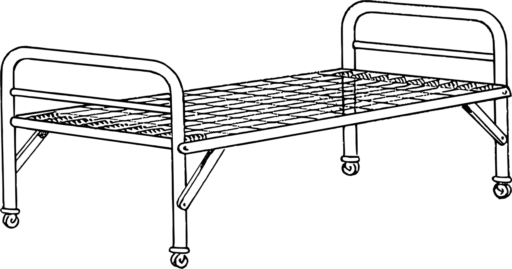
At 2 a.m., a camper’s chest is warm inside a sleeping bag, yet their back feels cold against the cot. The bag may be rated for the night’s temperature, but that rating assumes an insulated surface underneath. Body weight flattens the bag’s lower fill, leaving little loft to trap warm air between the sleeper and the cot fabric.
The open space below the cot compounds the problem: moving air carries away heat that the compressed fill cannot retain. The cot frame may feel cold to the touch, but it is usually less important than the broad area of uninsulated fabric. An insulated sleeping pad placed on top of the cot restores that missing layer; blocking a draft beneath it can help, but does not replace the pad.
Why elevation does not stop the chill
A cot breaks contact with cold soil, but it exposes the sleeper’s underside to tent air. Heat travels through the bedding and cot fabric, then warms the air below. When that air moves away, cooler air takes its place and carries off more heat. This is convection, and it can happen in a still tent as well as in an obvious draft.
The cot fabric offers little resistance on its own. Heat passes through it by conduction, particularly where body weight presses the bedding tightly against the cot. The fabric is not generating cold; it is simply a thin link between the sleeper and the air beneath.
The balance changes with conditions. In a mild, sheltered tent, the amount of insulation between the body and the cot may matter more than under-cot airflow. On a colder, windier night, moving air can carry heat away from the cot’s underside more quickly. A draft barrier may reduce that airflow, but an insulated pad addresses the more fundamental issue: it slows heat transfer before warmth reaches the cot fabric. If the chill is strongest at hips and shoulders, flattened bedding is a useful clue; if it worsens as wind picks up, under-cot drafts may also be contributing.
Why a warmer bag may not fix it
A sleeping bag keeps someone warm by trapping air in its lofted fill. Beneath the hips and shoulders, body weight squeezes that fill nearly flat. Adding more fill with a warmer bag may improve warmth over and around the sleeper, but much of its extra underside insulation will still be compressed.
A liner can make the inside of a bag feel more comfortable and may reduce drafts around the sleeper. Its effect on underbody chill is limited for the same reason: thin fabric adds little resistance to heat flow when pressed against the cot. The distinction matters when considering whether a sleeping bag liner adds warmth; warmth gained inside the bag does not necessarily replace insulation underneath it.
Put the insulating layer where it can retain its structure. A foam pad resists compression, while an insulated inflatable pad keeps air in enclosed chambers beneath the sleeper. Either can sit on top of the cot, under the bag. If the back stays cold while the chest feels warm, increasing the pad’s insulating value is usually a more targeted change than replacing the bag.
Find where the cold is getting through
-
Map the cold spot
Cold centered under the hips or shoulders points toward compressed or inadequate pad insulation. A cold strip along one side suggests the pad has shifted, leaving cot fabric exposed.
-
Check the pad at dawn
Compare its position with bedtime, especially if the sleeper turns often or the cot fabric sags. Recenter a shifted pad before adding more bedding.
-
Feel beneath the cot
If the pad remains in place but the chill grows when wind picks up, moving air under the cot may be increasing heat loss. A more sheltered cot position can help; shelter alone will not make a thin pad insulating.
-
Check for moisture
Feel the sheet, pad cover, and bag underside. Clammy bedding can result from condensation or perspiration and may feel cold even when the pad is thick enough.
The timing is a useful clue. A cold spot present soon after lying down suggests insufficient insulation at that point; one that appears after turning suggests a displaced pad. If the whole bed feels colder toward dawn, falling tent temperatures or changing airflow may be responsible even when the setup has not moved.
Match the adjustment to the finding: secure or widen a sliding pad, add underbody insulation where the pad is too thin, or move the cot away from a draft. Dry damp bedding and maintain tent ventilation rather than piling extra layers over moisture.
Put insulation between the cot and the bag
A sleeping pad on top of the cot fabric puts a heat-resistant layer where the sleeping bag’s fill is compressed. For an underbody chill, this is usually a more direct fix than adding another blanket over the sleeper. The pad needs to insulate, not merely feel soft: a thick, uninsulated air mattress can still allow heat to move through its internal air, while a thinner closed-cell foam pad may resist that loss more effectively.
Look for a pad’s R-value, which describes its resistance to heat flow. A higher value generally provides more insulation, though warmth also depends on the sleeper, bag, and conditions. Published values are easiest to compare when pads have been tested to the same standard; thickness alone says little about how an air-filled pad controls heat movement. Insulated inflatable pads use internal materials or structures to slow that movement, while closed-cell foam traps air in small pockets that do not collapse readily under body weight.
Fit matters just as much as the number on the label. The pad should cover the shoulders and hips without leaving a gap at the feet or slipping sideways on the cot fabric. If an inflatable lets the hips bottom out against the cot, add air until it supports the body; excessive firmness can make the pad less comfortable without adding useful insulation. Check that adjoining pads do not separate overnight, since a narrow exposed strip can become a noticeable cold spot.
A secure pad can also make a camping cot more comfortable, but its first job here is uninterrupted insulation beneath the sleeper.
Choose insulation that stays in place
Closed-cell foam is dependable on a cot: it cannot deflate, and its insulation remains useful where shoulders and hips press down. Its drawbacks are bulk and, in a thin pad, limited warmth. Two foam layers can add insulation, but only if they remain centered under the sleeper.
An insulated inflatable pad often provides more warmth for its packed size. Its published R-value helps compare pads, though real comfort also depends on inflation: too soft, and a hip may bottom out against the cot; too firm, and the pad may feel unstable. A thin foam layer beneath it can add puncture protection and backup insulation.
Blankets and quilts can fill gaps or add warmth above the sleeper. Packable blankets for cold-weather camping are useful supplements, but loose bedding beneath the body compresses and can slide aside, so it is less predictable than a pad. A quilt draped below the cot needs enough space to retain loft; pulled tight against the cot fabric, it loses much of that advantage.
On a narrow cot, check coverage while lying on both the back and side. Keep the pad beneath the shoulders and hips, away from raised side rails; a fitted sleeve or loose straps can limit sideways drift without crushing insulation. Reflective sheets pressed between the bag and pad offer little radiant benefit without an air gap. Their foam or bubble backing may insulate, but the shiny surface alone is not a substitute for pad R-value.
Control drafts without trapping moisture
An insulated pad does the main work beneath a cot. Reducing airflow can make that pad more effective, especially when wind enters through a tent door or passes under a high cot. Pitching with the door away from the prevailing wind, where the site allows, and keeping the cot out of a direct draft can help.
A fabric panel or gear placed near the windward side of the cot may slow moving air. It should not seal the cot into an enclosed pocket or block tent vents. Ventilation still matters: moisture from breathing and wet equipment can condense on tent walls, then drip onto bedding. Damp fabric feels cold and can reduce the performance of some insulation.
Before adding another blanket, check for moisture. A sleeping bag packed damp, wet clothing laid across the pad, or condensation beneath an impermeable sheet can all leave the sleeper cold despite adequate insulation. Keep wet gear away from bedding and air out the bag and pad when conditions permit. A groundsheet belongs on the ground; a plastic sheet draped over a sleeping bag can trap moisture rather than solve an underbody chill.
If a barrier is used beneath the cot, keep it off the pad and check for pooled water or condensation before packing up.
Fix the cold from underneath first
Before replacing a sleeping bag, add an insulating pad or reposition the one already on the cot. It should cover the sleeper from shoulders to feet, stay put through the night, and have enough support to prevent hips or shoulders from pressing through it. The camping bedding essentials guide offers broader context for fitting the layers together.
If a covered, stable pad leaves the cot cold, look next for air moving beneath it or moisture in the bedding. A trial on a cool night gives time to adjust the setup before a colder trip. Check where any chill remains: beneath the body points back to the pad, while cold at the sides, feet, or top may call for a different adjustment.
