
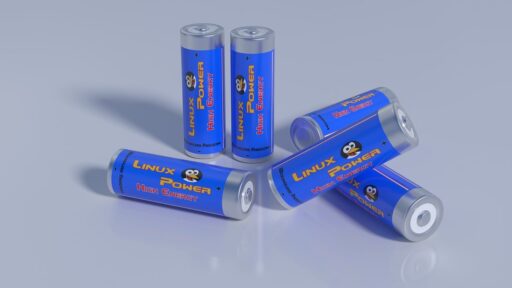
A cold battery may still contain usable chemical energy, but it cannot always deliver that energy quickly enough. Lower temperatures slow the reactions at its electrodes and the movement of ions through its electrolyte. The result is higher internal resistance: when the camera draws a burst of current, more voltage is lost inside the cells […]
Category Archives: Trail Cameras
Before visiting the camera, sign in to the account’s web portal or open the app on another device. Use the same account and camera, then look for a recent photo. If it appears there, the camera has delivered it; the problem is likely with the first device’s display or sync, not the upload. On the […]
A trail camera usually waits with its main imaging components asleep. Its passive infrared (PIR) sensor watches for a change in heat moving across detection zones. When that change meets the camera’s sensitivity threshold, the camera wakes, exposes a photo or starts recording video, then saves the file with a timestamp. The sensor detects a […]
A calendar can suggest when to start watching, but it cannot show what deer are doing on a particular property. Breeding timing varies by region, while weather and hunting pressure can change when movement appears on camera. Compare the last several days of images with fresh tracks, rubs, and the location of doe groups before […]
A camera beside a public trail, gate, or well-used access road faces a different risk from one deep on private ground. Casual passersby may remove an exposed camera simply because it is easy to reach. A steel box and locked cable can make that opportunistic theft less convenient, though neither prevents a determined person from […]
ADD ALL TO CART A low-cost camera does not need to document every passing animal. It needs to produce decision-grade evidence often enough to support the job at hand. Four tests matter more than a long feature list: Match the camera to the question For broad inventory, the evidence threshold is modest: which species use […]
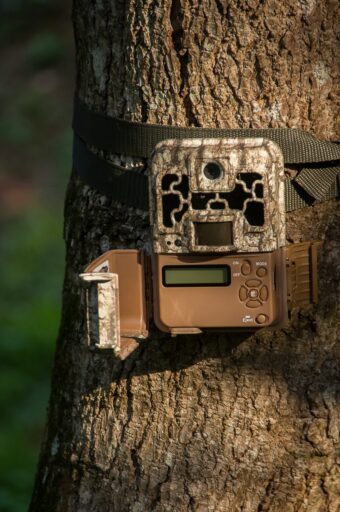
For a first set, place the center of the camera lens about 30–40 inches above the ground. Measure from the actual ground surface beneath the unit, not from a rock, root flare, or the high side of a slope. This puts the lens near the chest zone of an adult deer on level travel routes. […]