

Blog
Don’t Let Your Pack Ruin Your Hike

May
Why your pack can make or break your hike
You love the outdoors, but one heavy, awkward pack can turn a dream day into a slog. Sore shoulders, a tight back, and blisters sneak up fast when your gear is wrong. Suddenly the view loses its sparkle and every step feels hard.
This guide shows simple fixes that make your hike lighter, safer, and way more fun. You’ll learn how to pick a pack that fits, trim weight without losing essentials, and keep comfort high from trailhead to summit.
Stop letting your pack steal the joy. With a few smart changes, you’ll hike stronger, smile more, and actually enjoy the scenery. Ready to carry less, move faster, and enjoy more?


Pick a pack that fits your body and your trip
Choosing the right pack is the very first step to avoiding misery on the trail. A poor fit makes every mile feel like punishment; the right one turns the same miles into a breeze. Here’s how to stop guessing and start hiking happier.
Match volume to trip length
You don’t need a 70L pack for a single-day scramble, and you’ll hate using a tiny daypack on a three-night trip.
A 50–65L pack like the Osprey Atmos AG 65 or Gregory Baltoro 65 is great for multi-day trips; a lighter REI Flash 55 or Osprey Talon 22 works for fast, minimalist outings.
Fit your torso and hip belt
Most problems come from bad load transfer. The pack should sit on your hips, not your shoulders. Measure your torso length (neck C7 to top of iliac crest) or try packs with adjustable back lengths.
Try this in the shop: load the pack with 10–20 pounds (water bottles + spare clothes), fasten the hip belt on your iliac crest, tighten until most weight feels on your hips, then tighten shoulder straps so the pack hugs but doesn’t pull. Walk, bend, and twist—if it bounces, adjusts wrong, or digs into your shoulders, try a different size or model.
Look for these fit features
Solve common pains fast
If your pack bounces: tighten the hip belt and load lifters, and secure the sternum strap. If shoulders hurt: shift weight to hips and reposition heavy items close to your spine. If it feels like a brick: you’re carrying too much—drop or rethink gear.
Try packs on with some weight and a real walk. You’ll feel the difference the moment the load sits where it should—and that first comfortable step makes you want to go farther.
Pack smart so weight doesn't steal your fun
The wrong packing method turns easy miles into a grind. Pack poorly and your hips, back, and legs pay for it. Pack smart and you’ll be smiling at the summit instead of counting steps. The tips below show how to spread weight, keep heavy stuff close to your spine, and stack items for a steady, comfortable load.
Why bad packing hurts
When heavy items sit away from your spine or at the very bottom, your shoulders and lower back try to compensate. That causes sore hips, aching shoulders, and that heavy-legged feeling halfway up the trail. You’ll notice more bounce, more sweat, and less patience when every step fights you.
How to arrange your load
Think of your pack like a stack of plates: balance matters.
Distribute weight side-to-side so one side isn’t heavier. If you carry two fuel bottles or two water bottles, split them left and right. Place dense items near the center of your back—about shoulder-blade height—so the pack feels like part of you, not a pendulum.
Small tricks that make a big difference
Use stuff sacks or packing cubes to shape and stabilize the load. Compression straps are your friend; cinch them so the pack hugs your gear and doesn’t flop. Keep frequently used things within reach—hip pockets or the top lid—so you don’t unpack camp for a snack. If you must change items on the trail, move small heavy stuff upward rather than dumping weight at the bottom.
Quick packing checklist
A little thought before you step onto the trail saves miles of soreness later.
Don't skip the must-haves: safety and survival essentials
When things go wrong, the right items save your hike and your peace of mind. You don’t need a garage of gear—just the right small kit, organized so it’s ready when you need it. Below are the basics you should never leave behind and how to layer them so they don’t take over your pack.
Navigation: don’t trust your phone alone
Phones die and signals vanish. Bring multiple ways to find your route.
Imagine taking a wrong turn in low light—unfolding a map and checking a compass gets you calm and moving again.
Water plan: more than a bottle
Run out of water and your hike turns into an emergency fast. Plan for at least 1 liter per 2 hours in hot weather, more if you’re pushing hard.
First-aid basics: patch you up fast
You don’t need a medic’s kit, but you do need stuff to treat blisters, cuts, sprains, and shock.
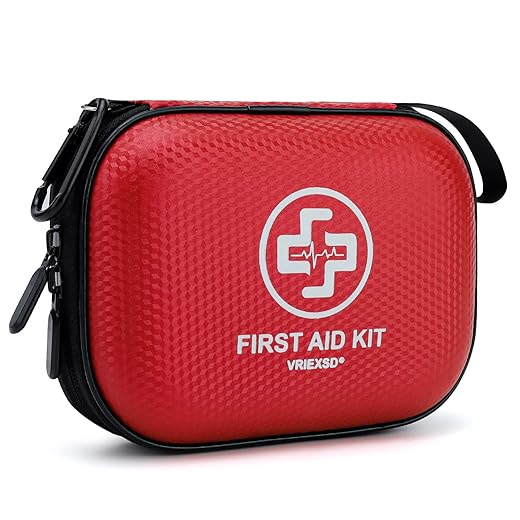
Include blister pads, adhesive bandages, trauma dressing, tape, tweezers, and pain relief. Learn to use each item—practice a simple wrap or splint at home so you aren’t fumbling on the trail.
Fire and shelter: tiny tools, huge peace of mind
A heat source and shelter can change everything on a cold night.
How to layer these items without crowding the pack
Think “ready-access inside.” Keep emergency items reachable and lightweight.
A little organization means the moment you need help, you get it fast—and your pack still feels like a pack, not a toolbox.
Comfort matters: clothes, sleep gear, and blister prevention
You’ll deal with a lot of small pains if you ignore comfort gear. A wet shirt, sore feet, or a cold night can turn a great hike into a slog. This section gives simple, real-world fixes—layering that adapts, socks and shoes that beat blisters, and a sleep setup that doesn’t weigh you down.
Layer your clothes like a mood-control system
Think base, mid, shell: each layer has one job so you stay dry and happy.
Stuffing vs. rolling: roll light clothes to save space and see what’s inside; stuff bulky items (like a puffy) into a stuff sack to keep them compressed and accessible. Use a small dry bag for your spare base layer so it’s always dry when you need it.
Socks, shoes, and blister-stopping tricks
Blisters ruin days faster than bad weather. Start with footwear and socks that match your miles.
Other quick hacks: trim toenails, sprinkle foot powder, use BodyGlide anti-chafe balm on hot spots, and learn the “lace lock” to stop heel slip.
Sleep light, sleep warm
Your night gear decides how rested you are in the morning. Pick a sleeping bag or quilt rated a bit warmer than the expected low. Down gives the best weight-to-warmth, synthetic stays warm when wet.

Pad choice is huge — an insulating pad with the right R-value (Therm-a-Rest NeoAir XLite or Sea to Summit Comfort) stops heat loss. Compress sleeping quilts or bags inside a compression sack at the bottom of your pack so they don’t crush more delicate gear. A small inflatable pillow or a stuff-sack filled with clothes gives better sleep than your arm.
Quick, feel-better moves on the trail
Plan ahead and be ready to tweak on the trail
Even perfect packing on the porch can go wrong on the trail. Small gear headaches turn into big mood drains fast. This section gives a short pre-hike checklist, a test-pack routine, and calm fixes you can do mid-hike so a tiny problem doesn’t blow up your day.
Quick pre-hike checklist
Before you head out, run this 60‑second check. Ask: will this item help me stay safe, warm, or moving?
Test-pack like a pro
Pack up the night before and walk around your house or neighborhood for 10–15 minutes with your full load. You’ll spot saddle rubs, off-balance weight, or things that jostle out of pockets.

This short trial run often saves you an hour of misery on the trail. Shift the heavy stuff closer to your spine, tighten the hipbelt, and note any strap chafing. If a pocket zips open or a bottle is hard to reach, fix it now.
Tweak on the trail: ditch, rebalance, fix
When something goes wrong, stay calm and follow this simple flow:
Emergency quick-fixes that really work
Carry small, versatile fixes that won’t weigh you down:
These let you jury‑rig a strap, secure a pole, or seal a hole — and keep your hike moving without drama.
With these checks and on-trail moves, you’ll handle surprises calmly and keep enjoying the trail before you read the final takeaways.
Carry less, feel more — finish your hike smiling
You can stop letting your pack steal the best parts of a hike. When you choose a pack that fits, cut the fluff, bring the safety basics, prioritize comfort, and tweak plans on the trail, every step becomes easier and more joyful. Imagine lighter shoulders, warmer nights, fewer blisters, and more time to look around.
Before you go next time, run a quick checklist: fit, weight, essentials, clothes, sleep system, and a plan B. Small changes make big differences. Pack smarter, breathe deeper, and finish every hike with energy — and a grin. Go make the trail your favorite kind of fun. Share what works and pass it on to friends soon.

Short rant: people overpack snacks. You don’t need an entire bakery for a 6-mile hike. Bring calorie-dense bars and a peanut butter sandwich and stop the insanity 😆
I bring extra snacks because I’m ‘sharing’ — which is code for ‘I eat them all’.
Loved the safety checklist section. I actually ditched a heavy guidebook and packed a compact paper map + compass, then put the compact 150-piece first aid in an outer pocket for quick access.
Two cents: mark emergency items with bright tape so you can find them in a hurry.
I keep a small laminated checklist on the inside of my pack lid — saves the ‘did I forget X?’ panic at the trailhead.
Bright tape is such a simple but brilliant trick. Glad you mentioned map + compass — batteries die, signals drop, basic navigation doesn’t.
Also, fold a tiny mirror into the first aid kit for signaling if needed. Old-school but works.
Random observation: the 8-piece packing cubes are seasonal lifesavers. I stash dirty clothes in one cube and everything else in another — keeps smells from spreading and makes it easy to pull out just what I need at camp.
Also, for everyone: test pack adjustments at home with the full load. Setting the sternum strap and hip belt in the driveway prevents hour-one chafing.
I did the ‘walkaround’ test after getting a new pack and avoided a full day of pain — highly recommend.
Who knew the driveway could be a gear-testing lab? 😂
Exactly. Pre-hike setup is key. Do a walk around the block fully loaded to spot hotspots before you hit the trail.
Also check hipbelt padding alignment — sometimes it slides and you only notice after an hour.
Pro tip: wear the socks you plan to hike in during the test walk so you can see how they feel with the shoes and pack.
Minor nitpick: the article could have dug deeper into hip-belt fit for heavier loads. It mentions ‘fit your body’ but doesn’t give numbers or a quick fit-test. For those carrying >20 lbs, the hip belt/torso length is everything.
Otherwise good read — loved the weight-saving tips.
This. I once thought shoulder straps would carry the load until my hips rebelled on day two. Learned the hard way 😅
Thanks, Tom — fair point. A quick rule of thumb we could add: measure torso length from C7 to the top of the hip bones and match that to the pack’s sizing chart, and make sure the hip belt transfers most of the weight.
Not gonna lie, I own the 5-pack compression sacks and I feel like a wizard every time I squash my sleeping bag into something the size of a small loaf of bread. Also, psst: compression is great, but don’t compress down a down jacket for months — it kills loft over time.
Good reminder about down care. Compress for travel/hiking but give it a fluff-out at home and store uncompressed when off-trail.
I’m torn between the ultralight 2L hydration backpack (for short fast hikes) and the 15L packable ultralight foldable daypack. Anyone used both? Which one feels more useful when you actually need to carry ‘a little extra’ like a puffy and first aid?
Question: for a humid summer weekend (2 nights), would people go with the 20L water-resistant daypack + a separate flat tarp shelter, or a bigger 30–40L pack? Trying to go lighter but not stupid.
I’m shy about sleeping cold, so not sure if lightweight = too risky.
Thanks, all — good advice. I guess comfort > ego this trip. 😅
Same — 30–40L is a safer middle ground for overnight trips where you need shelter, sleep system, and a cooking kit. The 20L is best for day-use or very minimalist bivy trips.
Also consider a 5-pack of compression sacks to shrink your sleeping bag — that might let you squeeze into a smaller pack, but only if you’re comfortable with compressing down to a tight size.
If you’re bringing a tarp and sleeping bag, the 20L won’t cut it. I’d aim for 30L at minimum for 2 nights unless you’re using an ultralight quilt and minimalist kit.
This article made me rethink ‘must-haves’. I used to pack every possible worst-case item. Now my mantra is: one multi-use item > three single-use items. For example, my 20L daypack holds a compact first aid, a small tarp, and a few compression sacks and I’m good for quick overnight changes.
Longer thought: the mental lightness you get from carrying less is underrated. You notice the views more and complain less about achy shoulders. 🙂
And multi-use reduces clutter — my pack stays organized and my brain relaxes.
Beautifully put — the psychological benefit of light packing is huge. Less focus on gear equals more focus on the trail and company.
One multi-use item rule saved me the last trip when my stove failed and I used a pot as both cookset and water container.
Totally. I feel like I’m cheating the hike when I’m not constantly rearranging things to avoid back pain.
I appreciated the ‘plan ahead and tweak on the trail’ advice. Weather changes and unexpected terrain can force adjustments, so having a small, quick-access pouch (I use a hipbelt pocket) for sunscreen, snacks, and a tiny first aid makes adapting fast.
Also, tiny typo on the ‘comfort matters’ header — it says ‘Comfort matter’ on my browser? Not a big deal but I mention it because first impressions 😉
Thanks, Kate — sharp eye. We’ll fix that typo. And hipbelt pockets are underrated; perfect for exactly the items you mentioned.
I laughed at the ‘Don’t let your pack ruin your hike’ headline because yep, been there. Big fan of the 15L packable ultralight foldable for side trips and city walks during multi-day adventures — folds into nothing and saves your shoulders.
One critique: the article didn’t mention carrying a small repair kit (duct tape, cord). Highly recommend putting it in your first aid pouch.
Tenacious Tape has saved me twice this year. Worth the small weight.
Thanks! I’ll throw a bit more repair stuff into my compact first aid then.
And if you want ultralight, consider stashing repair items in the waterproof first aid hard shell so they stay dry and accessible.
Good call. A tiny repair kit (10–20 cm of duct tape wrapped around a pen, some cord, mini sewing kit) can fix straps, tents, and blisters. I’ll add that tip.
I use a 90-cm piece of paracord and a strip of Tenacious Tape — mini gear savers.
Pro tip from someone who overpacked for years: buy a compact 150-piece waterproof hard shell first aid kit and then edit it twice. Keep the essentials, forget the extra crap you’ll never use. Also, roll clothes into compression sacks — 5-pack helped me cut bulk by half.
PS: don’t skimp on water capacity. The ultralight 2L hydration backpack is great for hills where you don’t want to stop and unpack a bottle.
Anyone know if that 150-piece kit is actually waterproof? Some ‘waterproof’ cases still leak if submerged.
Tip: carry a small bottle with a water purifier tablet as backup if your bladder fails or leaks.
Love the editing rule — double-editing your kit is a smart technique. The first aid kit you mentioned can be pared down to personal meds, blister care, a couple of bandages, and a few antiseptics for ultralight setups.
I keep a tiny sewing kit in the first aid pouch. Saved me when a strap tore last summer.
Agree on the water — hydration bladders are underrated. Just remember to dry them properly after trips to avoid funky odors.
Most are water-resistant rather than fully submersible. For true waterproofing, put things in dry bags or a zip-lock inside the hard shell.
Love the packing cubes tip — never thought of using them for hiking gear but the 8-piece travel packing cubes set saved my sanity on a recent overnight. Helped me separate sleep clothes from wet socks and kept the main compartment tidy.
Also: don’t underestimate footcare. Blisters ruined my last trip until I started bringing moleskin and proactive blister-prevention socks.
Funny how travel gear crosses over. Those packing cubes double as organizers inside compression sacks too — saved space and time at camp.
Good point on prevention. The article’s section on blister prevention is intentionally practical: tape, liners, proper socks, and lightweight spare shoes can make or break comfort.
Which brand of socks do you use? Always looking for recs that actually prevent blisters.
Agreed about moleskin. I also tape hotspots before they get bad. And yes, packing cubes in a backpack are underrated.
I once used a cube as an emergency pillow. Not comfy, but hey, it worked 😂
Haha, short and sweet: stop pretending you need everything.
I carried a second pair of hiking shoes ONCE. Never again. Carry less, feel more. The 15L packable daypack is my new guilty pleasure for summit snacks.
Love the confession. Only bring doubles for things that fail you often (socks, maybe an insulating layer) — otherwise it’s dead weight.
Not a fan of the ultralight 2L hydration pack for long hikes — it’s fantastic for runs or <5-mile jaunts, but on full-day hikes I want a little more storage for snacks and layers.
Maybe the article could emphasize the difference between 'trail running' packs and 'day hiking' packs more clearly.
Great article — totally agree that the pack is the unsung hero of any hike. I switched to a 20L water-resistant daypack last season and it changed everything: no soaked snacks, lighter load, and I actually enjoyed a steep scramble without feeling crushed.
One question: for multi-day trips, anyone tried mixing a 15L packable daypack for day trips and a larger framed pack for overnight? Curious about the logistics.
Yes — that’s a solid approach. Use the framed pack for base load (sleep system, cooking, etc.) and stash the 15L packable for summit pushes or quick food runs. It saves you from carrying the big pack on short outings during the trip.
Totally. I bring an ultralight 2L hydration backpack for fast morning runs and a 20L for day hikes. The combo is versatile and light 👍
I do this all the time. Pack the daypack inside the main pack so it doesn’t get lost, works like a charm. Also the 5-pack compression sacks helped me keep clothes organized.