

Blog
Find Your Perfect Camp Stove – Cook Fast, Stress-Free

May
Which flame will save your breakfast — and your sanity on a windy ridge?
NO MORE COLD COFFEE. You’ve stood in the wind, hands numb, watching water take forever to boil. It’s the worst part of a great trip.
Our Top Picks




WindBurner Windproof Personal Cook System
You’ll get reliable boils in windy, cold, or snowy conditions that would stop other stoves cold. It locks the pot to the burner and keeps heat focused so you waste less fuel and wait less time.
Designed for harsh conditions
This system shines when the weather is working against you. If you’ve ever had a stove die in wind while you’re freezing, this one brings peace of mind — fast boils even when gusts try to ruin your coffee.
Notable design wins
Practical notes
You’ll love how quick and efficient it is, especially on snowy or exposed trips. It’s tuned for boiling and fast rehydration rather than frying a full breakfast, and the price reflects that engineering. If your trips put you in wind, snow, or high-elevation chill, the extra cost buys confidence and less time shivering over a cold mug.
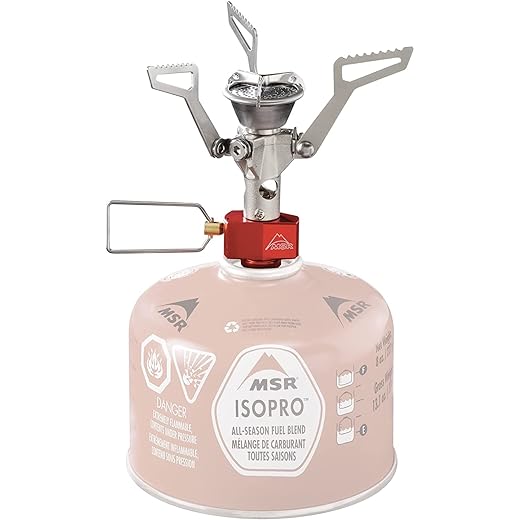
PocketRocket 2 Ultralight Backpacking Stove
You get huge boil power in a tiny, feather‑light package that barely takes up room in your pack. It’s simple, reliable, and built to survive miles of trail and sketchy weather.
What it does for you
The PocketRocket 2 is all about leaving weight behind without leaving capability. If you hike with a light pack, you’ll love how it boils water fast and tucks away into a tiny case. You can trust it to get your coffee on when you’re cold, tired, and hungry.
Key features and how they help
Real-world feel and limitations
It’s a joy when you’re solo or trimming grams: quick setup, predictable heat, and a small hard case that protects the stove. That said, you’ll need to carry a lighter (no piezo in some models) and be mindful of wind — it’s not as windproof as integrated cook systems. For small pots and fast meals, though, it’s a pain‑killer for cold mornings and long miles.
MiniMo Efficient Backpacking Cooking System
You get very fine heat control plus excellent fuel economy in a single compact kit. It’s perfect when you want more than just boiling — think steaming veggies or gently simmering saucy meals on the trail.
Why you’d pick this one
The MiniMo is aimed at hikers who want speed plus control. If you miss real meals on the trail — sautés, sauces, or careful reheats — you’ll appreciate the regulator and the more usable cook cup shape.
Standout features
Practical tips and trade-offs
It’s a compact kitchen that makes solo or duo trips feel a lot less primitive. Expect a little more weight and cost compared with bare-bones burners, and be careful with packing the igniter — owners suggest a tiny lighter as a backup. If you want real backcountry meals and hate fiddling with flame, this stove makes cooking feel joyful again.
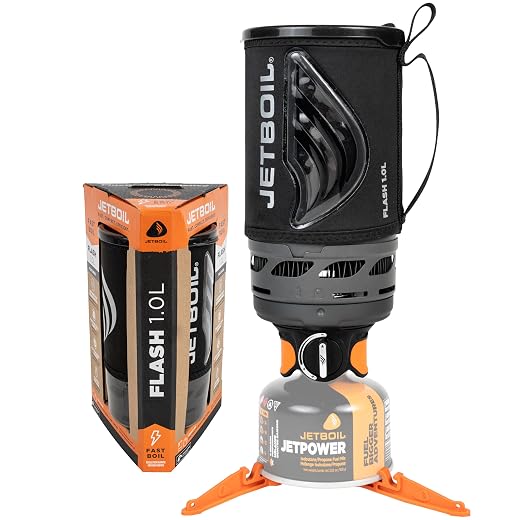
Flash Fast-Boil Portable Stove System
You can get boiling water in seconds, which is life-changing on cold mornings or when your hands are numb. The all-in-one packing and instant ignition make it a no-fuss option for fast food prep.
Who this helps most
If you want zero drama in the morning and meals that take seconds, this system was made for you. It’s especially great for short trips where every minute and gram matter and you want to eat hot without fuss.
What it brings to camp
How it feels on the trail
It’s super dependable and fast, and the tidy nesting reduces pack clutter. Remember it’s built to boil — if you want to simmer or cook complex meals you’ll feel the limits. Still, for coffee, tea, or quick rehydration, it takes the pain out of meal prep and keeps you moving.
OmniFuel Multi-Fuel Stove with Windscreen
You’ll be ready for gas, white gas, or alternative fuels — perfect if you travel to places where one fuel type isn’t guaranteed. It’s rugged and powerful, so group meals and high-output cooking feel easy and reliable.
Who should pick it
If you go to remote places, travel internationally, or cook for a group, this stove is a toolkit: it accepts many fuels and delivers strong, consistent heat. You’ll sleep better knowing you aren’t stranded because you picked the wrong canister.
What it offers in the field
Practical trade-offs
You give up a bit of weight and need to accept more maintenance and a learning curve (priming, cleaning) compared to simple canister stoves. But when you want flexibility and raw power — especially in places where fuel choice is uncertain — this stove is a workhorse that keeps you fed.
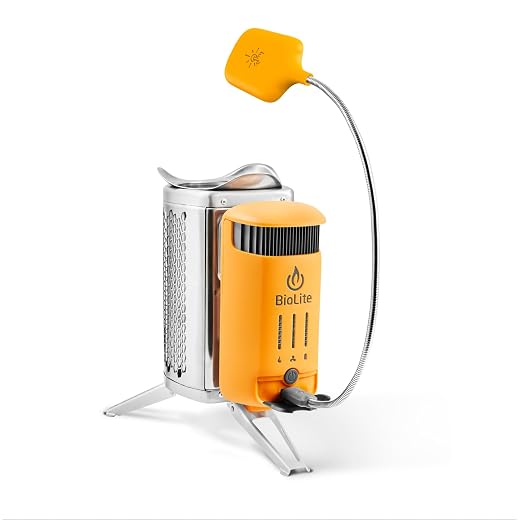
CampStove 2+ Wood-Fueled Power Stove
You can fuel it with sticks and charge your phone while you cook — a brilliant backcountry power trick. It’s heavier than tiny canister stoves, but gives you independence from gas canisters and a cozy campfire vibe.
Why people love it
This stove changes the game when you don’t want to carry fuel canisters. You forage twigs or use small wood pellets, cook a real meal, and top up your phone or headlamp — all from one piece of kit. That freedom is addicting on multi-day trips.
Tech and practical features
Real use and limits
It’s a joy when you’re in a forest full of fuel and want to be independent from canisters, but it does require practice: keep fuel dry, feed the fire correctly, and accept slightly longer boil times. If you want the convenience of instant ignition and the lightest weight, a canister stove still wins. But if independence and on-demand power matter, this one feels like magic.
Classic Trail Reliable Backpacking Stove
You get a dependable, no-nonsense burner that’s built like a tank and cooks faster than many ultra-light options when paired with wider pots. It’s a great starter stove that won’t scare you with fiddly parts.
Why this stove still matters
If you want something that just works and doesn’t demand babysitting, this classic is a solid pick. It’s especially great if you favor cooking in a mess kit or using wider pots where small torch burners struggle.
Key strengths
Good fit and limits
It’s not the lightest option for alpine ultralight missions, but for weekend trips, car camping, or anyone who likes a dependable flame, it’s a comfort. You’ll need to pack an ignition source and accept a bit more weight, but in return you get a stove that’s easy to use, easy to repair, and will keep you fed without fuss.
Final Thoughts
Pick the WindBurner Windproof Personal Cook System if you camp in WIND, COLD, or SNOW. It locks the pot to the burner, focuses heat, and gives fast, reliable boils when other stoves cough out. That means less shivering, less wasted fuel, and hot food while your buddies are still fussing with their gear — perfect for winter trips, exposed ridgelines, or any time gusts and low temps show up.
Choose the PocketRocket 2 Ultralight Backpacking Stove if you hike long miles and hate extra weight. It’s featherlight, tiny in your pack, and boils with surprising power. You’ll get quick meals and more miles with less fuss — ideal for thru-hikes, fastpacking, and minimalist weekend trips.
If you love cooking more complex meals and want precise heat control, consider the MiniMo as a close backup — it’s the best for simmering and saving fuel when you want to eat like a champ, not just rehydrate.

Big fan of the Jetboil MiniMo — the simmer control actually works for delicate stuff (eggs, ramen with veggies).
One question: how finicky is maintenance? I’m not super handy and worry about tiny jets clogging on long trips.
I maintain mine with a small toothbrush and the kit’s cleaning pin once a season — no drama. If you’re not into that, a simpler burner might be better.
Good question. MiniMo jets can clog if you use dirty fuel or extreme altitudes, but regular cleaning (a quick blow-through and occasional jet cleaning needle) keeps them running. The MiniMo’s adjustable heat control does mean slightly more care than a basic burner, but it’s manageable.
I like the idea of the BioLite CampStove 2+ — being able to charge my phone while boiling water sounds wild and useful for longer off-grid trips.
But I’m worried about the weight and whether it really gathers small twigs reliably in wet conditions. Also, how loud is the fan when it’s running?
Anyone used it on rainy or damp trails?
Also: keep the intake clear of ash — it chokes easier than I expected.
BioLite is brilliant for off-grid power needs, but it’s heavier and a bit more fiddly in damp conditions. The fan does make a noticeable whir when charging; not too loud but not silent. In wet weather you’ll spend more time preparing tinder — a small dry bag of kindling helps.
If you want reliability in wet weather, I’d pair the BioLite with a small canister stove as backup. That way you get power and predictable boiling.
Used it on a 3-day trip with mixed weather. If you prep a little dry tinder it’s fine. The USB charging actually saved us when a headlamp died — totally worth the weight for that trip.
Fan noise? Yep. But I enjoyed the campfire vibe and the phone charge. Not ideal for ultralight backpacking though.
Jetboil Flash = instant soup savior. 😂 Took one on a freezing morning and felt like a wizard boiling water in seconds.
Tiny complaint: the cup handle design could be better. Also, I might be spoilt for life now.
Pro tip: let the cup sit a little after boiling to avoid super-scalding coffee. Learned that the hard way. 😉
Instant gratification indeed. If you like the Flash but want better simmer control, the MiniMo might be your next upgrade. Handle mods (like a silicone sleeve) can help with grip.
Haha James, same here — instant coffee in the cold is priceless. I used a neoprene cozy for the cup and it helped a lot.
I took the MSR WindBurner on a late-winter overnight and it was a total game-changer.
It boiled water fast even with gusts that would have killed my old canister stove, and locking the pot to the burner really does help.
Fuel use was noticeably lower too — I didn’t have to lug extra canisters.
Only downside: the system is a bit bulkier than a pocket rocket, but for cold/windy trips it’s worth the trade-off.
Highly recommend if you’re planning snow or exposed ridgelines.
Agree with Emily — I used the WindBurner for a winter traverse and never had to shelter the stove. Worth the bulk if conditions are sketchy.
Nice writeup. I’ve always worried about packing volume — did it fit ok with your other cooking gear?
Thanks for the detailed report, Emily — that’s exactly the kind of real-world testing we hoped readers would share. If you’re trying to shave pack weight for summer trips, the PocketRocket 2 might be worth a second stove in your kit; otherwise WindBurner for winter is a solid call.
Curious — did you have any trouble with icing on the canister or the lock mechanism in subzero temps?
I travel internationally a lot and picked the Primus OmniFuel because I can use whatever fuel is available. No regrets — handled white gas, isobutane, and even some weird local gas blends when I was in the mountains abroad.
If you need flexibility and cook for a group, this is a rugged choice.
That versatility sold me. Does it require much maintenance between fuel swaps?
Great point, Sophia — multi-fuel stoves like the OmniFuel are indispensable when fuel availability is unknown. They do add complexity, but for international travel it’s a safe bet.
Trying to decide between the PocketRocket 2 and Jetboil Flash for thru-hike food prep. I like the idea of the Flash’s instant boil, but the PocketRocket is tiny and light. Anyone used both enough to recommend one over the other for long-distance hiking?
PocketRocket for the win on a thru-hike. Fewer things to go wrong. Also you can always save a little stove hackery for restaurant nights 😂
I took the PocketRocket on a PCT section — it was dependable and tiny. I missed the wind protection of a Jetboil sometimes but I managed with a small windscreen.
For thru-hikes where every ounce matters, the PocketRocket 2 is hard to beat — ultralight and simple to repair. If you want the absolute fastest boil and an integrated pot that’s ready out of the bag, the Flash is more no-fuss. Think weight vs convenience.
I bought the Primus Classic Trail for my first trips and it’s bulletproof — super simple and quick with wider pots. Newbies: don’t underestimate a workhorse stove.
That said, how much efficiency do I lose vs the PocketRocket if I switch? I cook for 1-2 people, mostly quick meals.
I switched from a Classic to a PocketRocket for solo trips. Loved the weight savings, but I miss the solid feel of the Classic sometimes.
Also consider what pots you already own — compatibility matters more than the stove sometimes.
Primus Classic is a great starter. Efficiency-wise, the PocketRocket is more fuel-efficient per boil if you pair it with a well-sized, insulated pot. But Classic can be faster with wider pots and is more forgiving. For solo/light duo, PocketRocket + good pot wins on weight/fuel; Classic wins on durability and simplicity.
If you’re happy with the Classic and it’s working, no need to change. But if you want lighter and cleaner burns, try the PocketRocket on a short trip before committing.
I’m torn because my needs vary: solo backpacking (lightweight), weekend car camping (fast & group-friendly), and occasional international trips.
Reading the roundup, here’s my mental checklist:
– Ultralight for solo: PocketRocket 2
– Windy/cold trips: MSR WindBurner
– Simmering for better meals: Jetboil MiniMo
– Group or multi-fuel: Primus OmniFuel
– Off-grid power: BioLite
But I can’t afford five stoves. Any recommendations for a two-stove combo that covers most bases?
Solid breakdown. If you want two stoves to cover almost everything: take a PocketRocket 2 for lightweight solo hikes and a Primus OmniFuel for car camping/group cooking and international travel. The OmniFuel’s multi-fuel capability and higher output complement the PocketRocket’s weight savings. If winter alpine trips are your priority, swap OmniFuel for an MSR WindBurner instead.
I did PocketRocket + BioLite for a while and liked the combo (lightweight trail stove + off-grid power for basecamp). Depends on which use-case you prioritize more.