

Blog
Stop Heavy Packs: Hydration Bladders That Free You
May
Tired of lugging a water brick? Sip smarter, hike happier.
Stop carrying water like a pack mule. Your shoulders will thank you. Your hikes will feel lighter. You’ll drink more without thinking about it.
Slip a bladder into your pack and you’re free. No more stopping to fumble for bottles. Less sloshing, less stink, and way less gross-tasting water. Pick a taste-free, fast-flow, or low-fuss option and you’ll wonder why you ever packed anything else.
Top Picks
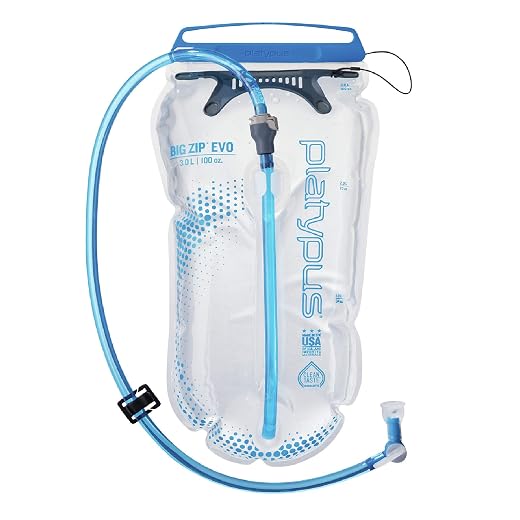


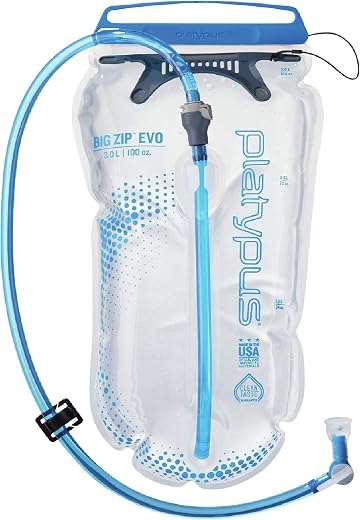
Platypus Big Zip EVO 3L Taste-Free Reservoir
This reservoir delivers fast flow and almost no plastic taste right out of the box. If clean water flavor and quick drinking matter to you, this is a top-tier option with pro-level features.
Why serious users choose this one
You pick the Platypus when taste and flow are non-negotiable. It was built to give you clean-tasting water fast, so you stay focused on the climb, bike, or long trail day without gagging on plastic flavor.
Standout features that help on long outings
Practical experience and downsides
In use you’ll notice the ease of refilling and the clean flavor — game-changing on hot days. The main trade-off is cost and the width: if your pack’s bladder sleeve is narrow, measure first. Also, be sure the tube is fully inserted to avoid early slipping.
Field tip
If you like to freeze portions or add ice, the Big Zip’s opening handles large cubes without drama. That alone can keep water cold for hours on long climbs.
Osprey Hydraulics 2L Reservoir with QuickConnect
This reservoir is a close match for Osprey pack designs and offers smart touches like a thumb on/off lever and hose magnet. It’s a reliable, well-built choice for regular hikers and riders.
Why this reservoir feels right in use
Osprey designed this to pair with their packs, and it shows. The bladder sits flat, the hose and magnetic sternum clip are easy to reach, and you can operate the valve with one hand while moving. It’s built to reduce fiddling and keep you hydrated on the go.
Features that make life on trail easier
Practical notes and trade-offs
This is a dependable, well-made bladder you’ll reach for on regular outings. It can hold a slight plastic taste at first, so give it a cleaning cycle before long trips. Drying is the usual reservoir headache; use a prop or hanger to keep it open and air-dry fully.
Quick setup tip
If you own an Osprey pack, this will feel like it was made for it — which it almost was. Use the HydraClip hanger if your pack has it and the hose magnet on your sternum strap to keep sips handy and mess-free.
Source WXP Storm 3L Taste-Free Tactical Reservoir
This is a smart, low-fuss system if you hate scrubbing bladders or dealing with slime. The glass-like liner and Widepac closure seriously cut cleaning time and keep water tasting fresh.
Who this is perfect for
Choose the Source WXP if you want a low-maintenance reservoir that still performs under heavy use. It’s aimed at tactical users, thru-hikers, or folks who just hate dealing with funky-tasting water after a few outings.
Technology that makes daily life easier
Everyday value and limits
You’ll save time and stress because you’re not scrubbing moldy corners every week. The system feels tough and mature, but it costs more than entry-level bladders. If you do neglect it entirely for months, you’ll still need to clean it eventually — nothing is magical — but this makes the problem far less likely.
Use it like a pro
Refill and go: this is the reservoir you keep in rotation. It’s especially handy if you’re on multi-day trips and want water that tastes right without babying the bladder.
CamelBak Crux High-Flow 1.5L Reservoir
This bladder gives noticeably more water per sip and reliable sealing, so you spend less time fiddling and more time moving. It’s a solid upgrade if you want dependable performance and a long warranty.
What makes this one stand out
This reservoir shines because it gives you more water with each bite — that matters when the trail is steep and you need a quick drink without stopping. The design is practical and built for everyday use on hiking, biking, or commuting.
Smart features you’ll notice
Real benefits and a few caveats
You feel the difference when you’re pushing pace: fewer tugs, more water, less fuss. Cleaning is straightforward though not quite as open as zipper-top reservoirs, and you may want to run a cleaning tablet the first few washes to remove any mild aftertaste.
Trail tip
If you pair this with a pack that has a proper sleeve, the Crux sits flat and won’t flop around. That makes it an excellent choice if you care about comfort and reliability on long days.
Spacious 2L Hydration Bladder with Wide Mouth
You get roomy capacity and a very serviceable bite valve for a modest price. Performance is strong for day trips, but watch for occasional quality-control issues.
Why you'd pick this 2L option
This 2L bladder is for the hiker who wants more water without a heavy reservoir or premium price. It’s roomy enough for a full day on trail or a long bike ride and still light enough to carry comfortably.
Features that matter on the trail
What to expect day-to-day
You’ll appreciate not having to fight a tiny cap when you’re thirsty and the extra capacity means fewer stops to refill. The trade-off: a few shoppers report leaks or receiving the wrong size, so inspect the bladder before you hit the trail. Regular washing removes most of the initial plastic smell.
Quick advice
Give it a good soak with baking soda or vinegar once before your first big trip. Pack a tiny repair kit — a spare O-ring can save a day when you’re far from home.
Compact 1.5L Hydration Bladder for Hiking
You get a simple, lightweight bladder that does the job without breaking the bank. Expect easy filling and decent flow, but don’t expect top-tier materials or lifetime warranties.
What it is for you
This is the small, no-frills 1.5L bladder that’s built for people who don’t want heavy gear or a big price tag. If you want to ditch plastic bottles on short hikes, road runs, or quick rides without paying a premium, this will do the trick.
Key features and how they help you
Real-world benefits and limits
You’ll love how easy it is to fill and how little weight it adds. The large mouth means cleaning is less of a chore, and the bite valve gives you an immediate sip on the trail. That said, the materials are basic — it can taste a bit plastic-y until you wash it a few times, and long-term toughness isn’t guaranteed like name-brand bladders.
Practical tip
If you get this, rinse it thoroughly and let it air-dry between trips. For peace of mind, consider carrying a small spare O-ring or sealing tape if you plan long fast-and-dirty outings.
Final Thoughts
If you want one go-to that makes water taste clean and pours fast, grab the Platypus Big Zip EVO 3L. It gives you almost NO plastic taste and a huge flow so you can sip a lot with one quick pull. That makes it perfect for long, hot days, fast hikes, or anyone who hates slow sips.
If you LOATHE cleaning bladders or camp a lot, pick the Source WXP Storm 3L. Its glass-like liner and wide opening cut down on slime and scrubbing. That makes it the best pick for multi-day trips, muddy rides, or anyone who wants low-maintenance, trouble-free water.
(Quick note: if you use an Osprey pack every day, the Osprey Hydraulics 2L is a smart, snug fit—great for daily outings or riders who like small, dependable setups.)

Taste is everything for me — Platypus or Source? I’ve had bladders that left a plasticky taste for days.
From what’s written here, Platypus is ‘taste-free’ right out of the box and Source is ‘taste-free’ but more low-maintenance. Anyone who used both have a preference?
I had both. Platypus felt a touch smoother on the mouthpiece, but Source’s liner kept the water tasting fresh longer. If you hate cleaning, go Source.
Both are excellent choices. If immediate taste and fast flow are your priority, Platypus often gets the nod. If low-maintenance cleanliness is more important, Source is ideal.
I bought one of the budget “Hydration Bladder, 1.5-2-3L” options for a weekend trip. Price was great and the big opening is really convenient for filling and ice.
However, I did notice a tiny leak once where the seam didn’t look perfect. For casual use it’s fine, but if you’re going on multi-day trips or rely on it heavily, maybe spring for a mid-range brand. Also check seams before you pack — pack liners separately until you confirm.
Do you think the cheaper ones work okay for runners who don’t need days of water?
If you’re buying cheap, buy two. Rotate them and you’ll be fine, imo.
For short runs or casual cycling, they’re totally fine. Just don’t expect indestructible.
Yeah, I had a similar seam issue. I used some backpack seam sealer as a stop-gap and it held for the season.
Thanks for the honesty, Elena. That’s the core tradeoff we mentioned — value vs QC. Good practice to inspect seams and test at home first.
Long-term note from someone who abuses gear: I had a Platypus for three years with weekly use and it stayed taste-neutral if I kept it dry between trips and used a mild vinegar soak every few weeks.
I also rotate two bladders when I’m out on multi-week tours — one in use, one drying — avoids that ‘camp slime’ problem. The CamelBak Crux was my backup for higher flow days.
If you commute or use it daily, buy two and rotate. If you’re a weekend warrior, one good bladder (Platypus/Source/CamelBak) will do for years.
Excellent practical routine, Chloe. Rotating bladders and keeping them dry are underrated but super effective tips.
I do the vinegar soak too. Works wonders and it’s cheap.
How do you dry them quickly when traveling?
I stuff a kitchen towel inside the wide opening and hang it upside down. Dries overnight in most conditions.
Big opening = dramatic entrance for ice cubes. I like watching the ice plop in like popcorn 😂
But seriously, that big opening on budget bladders is awesome for cleaning and freezing water for cold runs.
Does freezing damage any liners? I’ve been hesitant to ice them too hard.
Tom, you’re making me want to theatrically ice my bladder now. lol
Ha — theatrical ice drops are a thing now apparently. The big opening is genuinely useful for both filling and cleaning.
I’m on a budget and leaning toward the cheaper 1.5-2-3L bladder listed (the 6.8 rating). Mostly cycling in the city and occasional long rides. Which one would you recommend for durability vs price?
Also, any cheap upgrades (valve, clip, etc.) worth buying separately?
I swapped the bite valve to a softer aftermarket one and it made cycling sips easier.
Replaceable bite valves are a cheap upgrade and improve hygiene. Also, small hose clips or magnet upgrades are under $10 and help a lot.
For city cycling on a budget, the 6.8-rated cheaper bladder is a sensible choice. It’s lightweight and does the job. Consider buying a spare bite valve or a small protective sleeve for the hose — cheap and can extend life. If you suddenly start doing long or multi-day rides, upgrade to a mid-range bladder.
I mostly trail run and I need something lightweight and leakproof. The Osprey Hydraulics looks promising because of the leakproof claims, but does the QuickConnect add weight or bulk? I hate fiddly bits mid-run.
Also, any advice on securing the hose so it doesn’t swing?
Clip the hose to your shoulder strap and tuck excess under the strap. Magnet helps a lot on rough terrain.
I loop mine under the sternum strap. No bounce, no drama.
For trail running, Osprey Hydraulics is pretty minimal — the QuickConnect is compact and adds convenience more than weight. The hose magnet and small strap clips on many packs keep the tube from flapping.
CamelBak Crux = sip more water, cry less. The high-flow is no joke — I actually drink more on long rides because it’s easier.
If you like long, steady sips while keeping momentum, this is the one. Also the warranty is nice when life happens (and dogs happen).
Hah, dogs. My lab once tried to ‘help’ with the bladder and the warranty saved me. CamelBak was chill about it.
Agreed, Crux’s flow rate encourages better hydration. Good call on the warranty — it’s one reason we keep recommending it for frequent users.
Quick question for anyone who owns the Osprey Hydraulics: does the QuickConnect actually work seamlessly with non-Osprey packs? I’m thinking of getting it but don’t want to be swapping an expensive bladder that doesn’t sit right.
Also curious about the hose magnet — useful or gimmick?
I had to rotate the bladder 180° in my pack for comfort. Works great now.
Good question. The Hydraulics fits most packs but it’s best with Osprey-style reservoirs; some non-Osprey packs might need a small strap tweak. The hose magnet is genuinely handy for biking — keeps the tube in place on the shoulder strap.
I use it with a non-Osprey bike pack and it fits fine. Had to stitch a tiny loop for the QuickConnect to clip onto, but nothing major.
For day hikes, is 1.5L enough or should I go 3L? I usually hike 3-5 hours with moderate exertion and it’s just me solo. Curious about pack weight and whether I should bother with ice.
Would appreciate recommendations for hot weather specifically.
I go 3L in summer hikes. Better to have extra than be dehydrated.
In hot weather, lean toward 2-3L if you’re out for several hours and won’t have refill options. For 3-5 hours in heat, 2L is borderline; 3L gives peace of mind. Ice makes the bladder heavier but keeps water cool longer — consider 2L with ice if you want a balance.
I picked up the Platypus Big Zip EVO last month and it really does taste neutral — no weird plastic aftertaste. Fast flow makes it easy on steep climbs when you don’t want to stop.
Only downside: make sure you fully open the zip when filling or you’ll fight the seal. Otherwise, 10/10 for weekend hikes.
Totally — that zip is a little dramatic the first couple times. After that it’s like second nature.
Thanks for the firsthand report, Sarah — glad it worked out. Good tip about the zip; we had a few readers mention the same thing when first learning the wide-zip systems.
Do you use any cleaning tablets or just soap and water?
Love the QuickConnect + Slide-Seal combo on the Osprey. Filling at home is easy and swapping the bladder out for washing is quick.
For cyclists: the hose magnet is underrated. Saves so much annoyance when you’re hustling on a group ride and need a quick sip mid-turn.
Is the magnet strong enough in wet weather?
Yes, tried in a downpour, still held fine.
Magnet saved my life once when I dropped my tube while clipping in. Not actually life-saving but close enough 😂
Couldn’t agree more — small features like the magnet make real-life use smoother. Glad it’s been working well for your rides.
Long post incoming because cleaning bladders used to be my nemesis. I switched to the Source Wxp Storm Valve and wow — the glass-like liner and Widepac closure have cut my cleaning time in half.
I used to spend ages scrubbing slime out of corners. The Widepac is actually wide enough to get a cloth in and the liner seems to resist tastes better.
Only tiny gripe: the mouthpiece feels a bit stiffer than CamelBak’s bite valve, so on cold days I fumble a bit. But overall, amazing for low-maintenance folks like me. 😊
I had the same issue with the mouthpiece. A quick rub with beeswax on the bite valve edges made it more pliable for me (weird trick but works!).
Thanks for the tips — i hate scrubbing too, so might try this one next.
This is super helpful — do you ever use a brush or just cloth for the liner?
Great detailed experience, James — exactly the kind of hands-on insight other readers need. The stiffer mouthpiece is a known tradeoff for durability; some users soften it slightly with warm water before use.