
Blog, Camp Kitchen, Other Camping Gear
Camp Smart: Legal, Lightweight Alternatives to Bear Canisters

May
Why you might want a lighter way to outsmart bears
You love the wild, but you don’t love hauling a heavy canister or lying awake worrying about your food. Big rigid canisters are bulky, awkward, and feel like punishment for wanting a simple night under the stars. You also face confusing rules and the real fear of fines or finding your camp ransacked.
This guide shows legal, lighter ways to protect your food and your sleep. You’ll get smart alternatives, easy habits, and DIY tricks that cut weight without courting trouble. Think less gear, less stress, and more peaceful mornings — all while staying safe and following the rules. You’ll hike faster, carry less, and enjoy camp more every trip.


Know the rules where you camp
Start with the official sources
Rules change fast and they matter. Before you leave, check the park or forest website, not just a forum post. Look for pages titled “backcountry regulations,” “food storage,” or “bear management.” If a rule is posted there, it’s enforceable — and it’s what rangers will expect you to follow.
Quick, practical checks to do today
What to ask and note
Ask about:
Write this down in your phone so you don’t forget when packing.
Real risks — why this matters
Not knowing costs you more than weight. You can get fined, be turned back at trailheads, or — worst of all — unintentionally teach a bear to come to campsites. That can lead to trail or campground closures and trapped or euthanized animals. Picture finding a torn pack and a notice that a site is closed for bear activity — it’s not fun and it’s avoidable.
Knowing the rules takes five minutes and buys you confidence. Once you’ve checked the regs, you’ll be ready to compare lightweight hard options that still meet park standards.
Lightweight hard options when you still need rigid protection
Sometimes the rules say a rigid canister is non-negotiable — but that doesn’t mean it has to feel like lugging a boulder. You can choose lighter hard containers made from thinner-but-strong plastics or composite materials. The tradeoffs are simple: lighter usually means less internal volume or a slimmer margin for dents, and shape matters as much as weight for carrying comfort.
Types and what to expect
How to pick by capacity and pack fit
Think in meals, not liters. Pack the exact food you’ll take for one day and multiply. If a canister forces you to leave key meals out, it’s the wrong size. Measure your pack’s external straps and lid space — some canisters ride neatly on top, others must hang off the bottom. Try to keep weight close to your torso; an oversized canister hanging low will make every step feel harder.
Simple home tests so you don’t learn on the trail
Carry comfort and confidence come from matching size to trip and practicing before you leave.
Soft, bear-resistant sacks and other flexible choices
How they work, quick and simple
Soft bear-resistant sacks are heavy-duty fabric bags that block teeth, claws, and smell better than a regular stuff sack. You stuff your food, close them tight, and either stash them from your campsite (when allowed) or hang them. They can shave pounds and give you extra room so your shoulders feel happier on day two.
Pros and cons at a glance
Pick a tested model
Look for brands hikers actually use and parks list as acceptable. Popular choices people report success with include the Ursack Major and Ursack AllMitey. Try it at home: stuff a day’s food, zip it, carry it on a walk to test bulk and noise. If your destination accepts soft sacks, you’ll love the weight savings.
If you plan to hang, a good pulley makes things easy — the right tool turns a fiddly job into a two-minute setup: the Selkirk Ultralight 2-to-1 Pulley Food Hanging System helps you hoist heavy sacks up and out of reach.
Smell control and field tips
When a soft sack isn’t enough
If regulations demand a hard canister, if you’ll be in a high-grizzly zone, or if you expect bears that test gear, don’t gamble — go rigid. Otherwise, a soft sack can be a liberating, pack‑friendly choice that lets you sleep lighter and move faster on the trail.
Smart food habits that cut down your need for bulky gear
Plan meals to cut bulk and smell
If you plan simple, low-odor meals you won’t need as much gear or storage space. Pick dehydrated or single-pot meals, pre-measure portions into single servings, and avoid super-greasy foods that soak into wrappers. On a three-day trip, cutting one smelly lunch or a bulky jar can save ounces and the headache of wrangling leftovers.
Pack only tonight’s food
Bring out at camp just what you’ll eat that evening and the next morning. Stash the rest in your car, cache, or a secured locker if available. This reduces how much you fiddle with at night and lowers the chance of accidental spills.

Double-bag and clean as you go
Double-bag liquids and smelly items so leaks don’t become midnight crises. Use heavy-duty freezer bags or vacuum-seal rolls to compress and seal food—FoodSaver-style sealing works well for oily items. Wash pots and utensils immediately after cooking; the smell lingers on dirty gear far longer than on wrapped food. Let cookware dry and pack it in a trash bag before stashing.
Store toiletries smartly
Put toothpaste, sunscreen, and scented lotions in small, hard-sided containers (Nalgene jars or travel tins) and keep them with non-food items. Even a tiny tube can attract critters, so treat toiletries like food in your storage routine.
Cook away from camp
Set your stove and prep at least 50–100 feet from your sleeping area, downwind if possible. This gives smells a chance to dissipate and keeps curious creatures away from your tent. Bring a lightweight windscreen and a small cutting board to keep prep tidy—fewer crumbs, fewer problems.
Quick nightly checklist
These habits save space, cut odor, and buy you calmer nights — next, you’ll learn simple DIY fixes and gear tweaks that make following this routine even easier.
Safe DIY tricks and gear hacks that follow the rules
You like clever fixes, but you also want to be safe and legal. These low-risk hacks help you outsmart smells without breaking park rules or risking wildlife. Think simple, test at home, and always choose fixes you can undo.
Make your own odor-proof liners
Seal and compress like a pro
Put smelly items in separate small bags, press out air, then heat-seal or vacuum-seal. Freeze oily snacks before packing—cold slows scent release. For cook gear, wipe away grease with a paper towel and store it in a dry bag you only open for washing.
Use vehicle storage and trailhead lockers
If regs allow, leave bulk food locked in your car or a trailhead locker. Keep food out of sight, in the trunk or a lockbox, and don’t leave valuables. Snap a photo of locker numbers or gate codes so you don’t scramble when you return.
Organize so bears don’t get lucky
What to avoid
Don’t hang food from flimsy branches (many parks prohibit it), never use poisons or traps, and don’t alter approved devices to be “lighter” if it weakens them. Cheap shortcuts can harm animals or get you fined.
These simple, testable hacks save weight and sweat — and keep you on the right side of the rules while you sleep easy.
Pick the right option for your trip and your peace of mind
You want a choice that fits your pack, your nerves, and the rules. Use this quick guide to decide fast, pack smart, and sleep without replaying “what-if” scenarios.
Quick leave-with checklist
Ask the rangers (call or chat at the trailhead)

Match options to real trips
Weekend car-camp: You’ve got the car and a cooler. Lock food in the trunk or a trailhead locker. Bring a small odor-proof bag for midnight snacks.
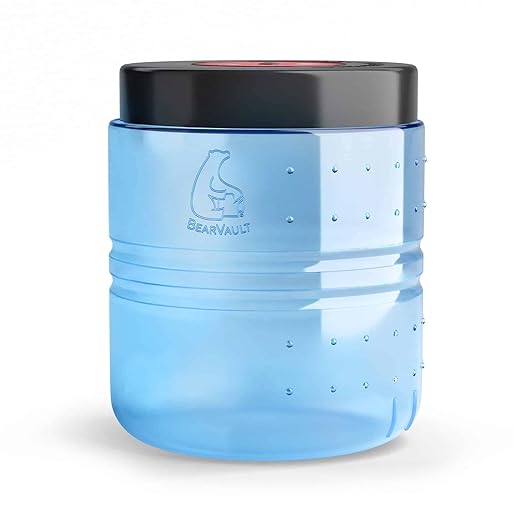
Solo ultralight backpack: Weight matters. Choose a certified soft sack like an Ursack or a small hard canister (BearVault-style) if required. Pack one “tonight” bag so you don’t paw through your pack at 2 a.m.
Group trek (4+ people): Share a large hard canister or a communal Ursack to split weight. Someone carries the cook kit; others carry concentrated meal caches. Fewer containers = less fumbling at camp.
Final, calming tips before you go
Ready to lock in your choice? Move on to final packing and easy routines in the Conclusion.
Pack smart, sleep easy
You’ve got options that save weight and keep bears away — if you match them to the rules and your comfort. Test your setup at home, read the regulations for the area, and pick something you’ll actually use. Less bulk means more miles and calmer nights.
Choose the light, legal option that fits your trip and nerves. Whether it’s a soft bear sack, a small hard container, or smart food habits, use common sense and practice. Go lighter, stay safe, and let the mountains be your calm place again. Ready to choose? Pack light, sleep well tonight.

Really appreciated the breakdown between hard canisters and soft sacks. I’ve been torn between the BearVault BV Series Lightweight Bear-Resistant Canister and an Ursack for a while.
I like that the article covered legal considerations — some parks force rigid canisters, others allow Ursack-style sacks. Makes choosing gear less guesswork.
One thing I’d add: test-packing your meals and practice hanging or fitting the canister before a big trip. Saves time and stress.
Also, shoutout to the Tough Bison 10L Waterproof Bear Bag Kit for people who want something simple and light for car camping.
Thanks Maya — glad it helped! Great point about practicing at home; many people underestimate how fiddly some systems can be until they’re in the dark. If you want, I can add a short checklist for pre-trip practice in the article.
Do you think the BV Series Lightweight is much quieter (in terms of smells) than Ursack? I’m trying to decide for a long weekend.
Agree on the practice thing. I once spent 20 minutes trying to cram my stove and food into a ‘lightweight’ canister at dusk — lost daylight and patience 😂
@Lena — BV keeps a more rigid seal from my experience; Ursack is great but you still need odor-proof inner bags for long trips. Depends on how odor-sensitive your food is.
Can anyone compare the BearVault BV Series Lightweight Bear-Resistant Canister vs the BearVault BV Series Durable Bear Canister? The naming is confusing — is the Lightweight just a slimmer model or a different material?
My use-case: week-long hikes, some remote camps with known bear activity. I’d rather pay for something that lasts.
Which would you pick and why?
I own both. The Lightweight saved me a couple of ounces and fit better in my pack. The Durable felt more ‘bulletproof’ at roadside. For long remote trips I’d pick Durable unless I’m racing weight.
Noah — the Lightweight model is generally the newer, lighter construction meant for backcountry users who need weight savings but still need a tested canister. The Durable model tends to be heavier and may offer more interior space or thicker walls.
For week-long remote hikes with active bears, many people choose the more robust (Durable) if weight isn’t the limiting factor. If you’re ultralight and confident in pack weight, the Lightweight is fine but check park regulations for allowed models.
I chose the Lightweight and it worked well for 3-season trips. But I wouldn’t try to use it as a kitchen table 😂
Thanks — that helps. I think I’ll go Durable for peace of mind.
I like the article but I’m a bit worried the DIY tricks section could encourage people to try unsafe hang setups. Some of the hacks online are sketchy and could cause food loss or even injury.
Could you add warnings about load testing, proper knots, and not using thin cord that can slice through branches? Also a reminder to avoid dead trees?
Other than that, solid piece.
Thanks — I appreciate that. If you add knot illustrations or links to reputable guides, that’d be great.
Agreed. When I first learned knots, I practiced with a weighted bag in the backyard several times before trusting it in the wild.
Good point, Michael. We tried to keep the DIY section focused on legal and safe hacks but can expand with specific safety warnings about load testing, knot instruction, and tree selection.
I’m brand new to overnight hiking and this article was a big help. Quick q: is the Tough Bison 10L Waterproof Bear Bag Kit big enough for a weekend for two people if we only pack freeze-dried meals and snacks? Trying not to buy a canister yet.
Also, are kids allowed to help with pulley lines? My little one loves to ‘help’ but I worry about safety.
My kid helps all the time with light stuff (throwing the halyard over a branch) but never handles the pulley or the heavy rope. Works well.
Ava — Tough Bison 10L might be tight for two people for a weekend depending on how many snacks and toiletries you bring. For two, you might need two 10L or a single larger bag. For kids, they can help with hauling under supervision—adults should handle the final knot and anchor to avoid accidents.
Bears: ‘I smell a human snack.’
Me: ‘I’m a 4-season ultralight hiker and carry moral superiority instead of food.’
Anyway, the Tough Bison 10L Waterproof Bear Bag Kit looks like a decent middle ground for car-to-trail trips. Lightweight, waterproof, and probably keeps raccoons from tearing stuff up too.
Wouldn’t trust it at 2am if a very motivated grizzly got curious tho 😂
True story: a raccoon got into my food once through a bag. Since then, canister for overnight in bear country for me.
Haha — fair. Soft bags can be great for rodents and moderate critters, but grizzlies are a different story. Choose based on local wildlife and required regs.
Used a BearVault BV Series Durable Bear Canister on a 5-night trip and felt completely chill.
Pros: more space than I expected, seals well, raccoons gave up. Cons: heavier than my pack would like.
10/10 would recommend if your park requires canisters or you don’t want to mess with hang lines. Also the lid makes a nice extra chopping surface in windy weather 😂
Love the lid hack — never thought of that!
Glad the canister worked well for you. Little tricks like using the lid can be surprisingly handy.
Nice article — concise and useful. A few notes from my own testing:
1) Foilswirl Ultralight 20L Waterproof Bear Bag Set is GREAT for keeping food dry when you’re doing river crossings. Saved my freeze-dried meals from becoming soup.
2) Selkirk pulley is easy but make sure your anchor tree is healthy. Don’t use dead branches — they fall. 😬
3) DIY tricks are fun but read the rules or you’ll get fined in some parks.
Overall, if you’re doing multi-night trips in bear country and don’t want to carry a big canister, combine an Ursack with Reusable Odor-Proof Food Storage Bags Set and you should be fine in many places.
ps — I once forgot to zip the odor bag and learned the meaning of ‘bear shuffle’ that night lol
Thanks for the practical tips and the river-crossing note — that’s an angle I didn’t emphasize enough. I’ll expand the waterproof section.
‘Bear shuffle’ — that made me laugh and cringe at the same time 😂
Good call on dead branches. Saw a whole pulley setup fail once when a rotten limb tore off in a gust.
Backup cord is such a simple yet overlooked thing.
@Laura — exactly. Trees are sneaky. Also, if using a pulley, carry a backup cord. Rocks and branches will cut rope over time.
Small tip: pair Reusable Odor-Proof Food Storage Bags Set with a hard canister if you’re worried about smells. Saves space and reduces need to carry extra heavy sealable containers.
Also, wash containers and bags thoroughly after each use — lingering grease = bear magnet. Learned that the hard way 😂
@Tom true. The article’s ‘Smart food habits’ section helped me downsize packing and still stay safe.
Good practical tip Grace — cleaning is underrated for odor control.
I’ve had good luck with reusable odor bags for single-day trips; for overnight in high-traffic bear areas I still use a canister.
Anyone tried the Foilswirl Ultralight 20L Waterproof Bear Bag Set vs Ursack Major XL Ultra-Strong Bear-Resistant Sack? I’m torn.
I’ve heard Ursack is great if legal, but the Foilswirl looks like a lighter, waterproof option for windy/rainy conditions.
Curious about real-world durability and smell containment.
I used Foilswirl in a rainy week and it kept food dry but a curious critter still chewed the outer seam once. Not a bear, but a pain. Ursack felt tougher overall.
Olivia — Foilswirl and similar waterproof bags are excellent for wet conditions and lighter packs. Ursack Major XL is built for bear resistance and durability. If the park allows Ursack, many people pair it with inner odor-proof bags for best results.
Been backpacking for 12 years — nice roundup. A couple of practical additions from my experience:
– The Selkirk Ultralight 2-to-1 Pulley Food Hanging System is awesome, but line care matters. Replace ropes with visible abrasion.
– If you expect to be around grizzlies, favor tested hard canisters or certified sacks (Ursack Major XL is top-tier and usable in many regions).
– Pack smart: compress food into small packs, use odor-proof bags inside canisters, and keep cooking gear separate to minimize smells.
Remember: the right choice depends on park rules, trip length, and bear species in the area. No single solution fits all.
Happy and safe trails!
Thanks Victor — great field-tested tips. We’ll incorporate line care and specifics for grizzly country in an update.
Solid advice. Compression and organization are underrated skills.
Also, carry a repair kit for your pulley system. That little emergency knot can be the trip saver.
I’m curious about long trips and odor control — say 2 weeks backpacking. Do reusable odor-proof bags (or the Reusable Odor-Proof Food Storage Bags Set mentioned) really hold up for that long, or do they start to smell? What do you all recommend for multi-week resupplies?
Also, is double-bagging with a canister worth it?
Thanks — good tips on meal planning. I’ll aim to eat the strong-smelling stuff early.
James — for multi-week trips, rotate and clean the bags when possible, and consider double-bagging high-odor items. Refillable odor-proof bags are decent, but sealing and reducing high-odor foods (garlic, cheese) helps a lot.
Double-bagging inside a canister is common practice for extra caution and to keep the canister interior cleaner.
If you can resupply, plan meals to use the smelly stuff early. That helps manage scent over longer trips.
I did a 10-day trip and the odor bags held up well, but I rinsed them in a stream and dried them when I could. Definitely avoid packing wet/greasy stuff for long stretches.
Short and sweet: the ‘Pack smart, sleep easy’ bit is gold.
I swapped to a smaller food kit and use odor bags + a pulley and have slept better knowing food isn’t in my tent. Thanks for practical, low-fuss advice!
Glad it’s helping, Hannah! Small changes really do make big differences in comfort and safety.
Same — moving food 100 feet from my tent made camping way more relaxing.
Quick question — the article mentions ‘Know the rules where you camp’ which is obvious but can anyone point to a quick way to check rules for a given national park or forest? Some sites have conflicting info.
Also, if a park requires a BearVault BV Series Durable Bear Canister, can you still use a Tough Bison bag for non-food items like toothpaste/toiletries, or do those rules usually cover any scented item?
Thanks!
NPS site first. And call the ranger station if the website is vague — they usually answer. Paper maps/kiosks at trailheads sometimes have notices too.
Some parks let you leave non-scented toiletries in your tent, but I wouldn’t risk it. Bear noses are insane.
If you’d like, tell us which park and I can look up the current regs for you.
Thanks all — calling the ranger station seems like the safest bet. Will do that before next trip!
Sofia — great questions. For rules, start with the official park or forest unit website (National Park Service, Forest Service, state parks). Ranger stations and recent trip reports on forums can help, too.
Regarding scented items: many parks require canisters for all food and scented items (toothpaste, sunscreen, some medications). When in doubt, store scented items in the required canister or sealed odor-proof bags inside it.
Loved the DIY section — the Selkirk Ultralight 2-to-1 Pulley Food Hanging System is a lifesaver for lightweight trips.
I built a simple anchor using a small daisy chain and a carabiner and the pulley made hanging quick. Kept my pack lighter and avoided a heavy canister.
One caveat: always check park rules before you go — some places require a certified canister even if your hanging system seems bear-proof.
Same here. Pulley saved my shoulder and was super fast on rainy nights.
Good tip, Ethan. We tried to emphasize that DIY solutions are fine where legal, but check ranger stations or park websites if you’re unsure.
Pulley + good knot skills = win. Also, test the tree drop distance before committing — not all camps have the ideal trees.