

Blog, Camp Kitchen
Get Cooking Fast: Your Ultralight Stove Picks, No Cold Meals
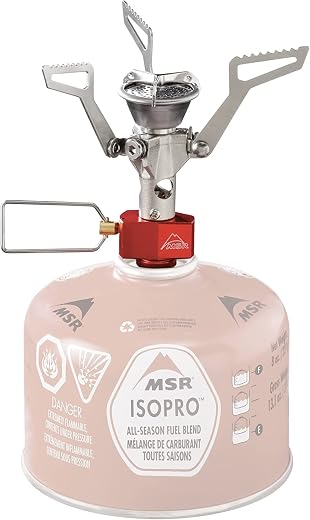
May
Hungry and freezing? Meet the tiny stoves that turn shivers into stew.
Nothing kills a trail mood faster than a COLD meal. You finish a long hike and open your pack to… instant noodles that are still lukewarm. Ugh.
You want hot food fast, with as little fuss and weight as possible. These stoves get you boiling or simmering in minutes, survive wind and cold, and let you spend less time fiddling and more time eating, laughing, and chasing the sunset.
Top Picks
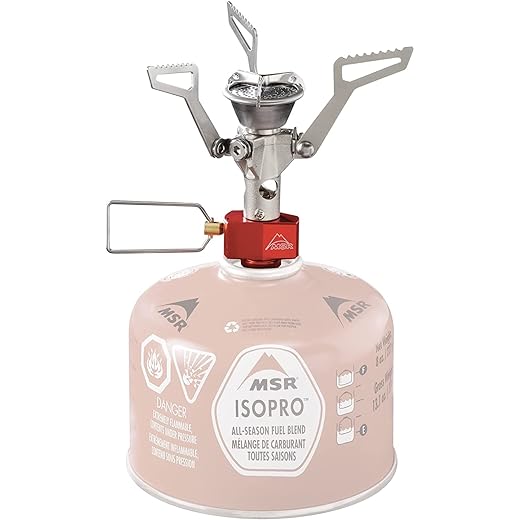

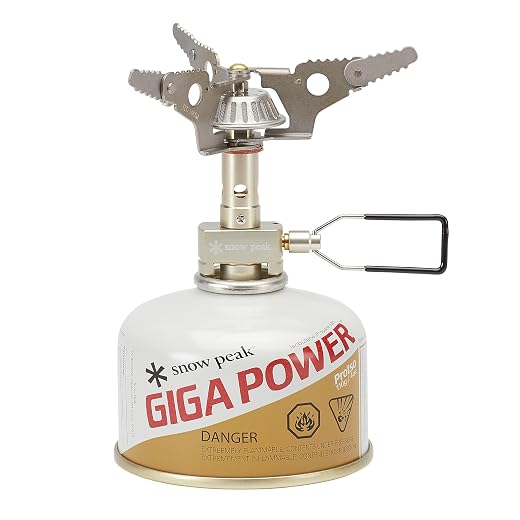


MSR PocketRocket 2 Canister Stove
You get a tiny, rock‑solid stove that boils fast and lasts. It’s simple to use so you can spend less time fiddling and more time eating or hiking.
Why you’ll reach for this on a trip
You want a stove that disappears in your pack but shows up when dinner is critical. This PocketRocket 2 is the classic answer: tiny, dependable, and fast. It’s the kind of stove you can trust on rainy morning coffee runs or long days when every minute and gram count.
Key features that help you cook faster
You’ll notice how the pot sits low and centered on the burner, which helps speed boiling and keeps fuel use sane. The controls are simple, and there’s no priming or pumping — just click the canister on and go.
Real use, real benefits (and what to watch out for)
If you like minimalist packs, this stove makes meal prep almost painless: fast coffee, quick soups, or dehydrated dinners. It doesn’t have a big built‑in windscreen, so in gusty places you’ll want to cup your hands, find shelter, or use a small windscreen. Also, remember fuel canisters vary by country; plan ahead on longer trips.
Practical tips from the trail
You’ll love how little space this stove takes and how dependable it is when hunger hits.
Jetboil MiniMo Adjustable Heat Cooking System
You get Jetboil speed with real simmer control so you can cook more than just noodles. It’s efficient, stable, and great when you want to make actual meals on the trail.
Cook beyond boiling water
If you love hot coffee but also want the option to sauteé, simmer or make a real meal, the MiniMo bridges the gap. It keeps Jetboil speed while adding precise heat control so your food doesn’t end up scorched or undercooked.
What you’ll appreciate on the trail
It’s heavier than bare‑bones burners but the cooking flexibility is worth it if you want to eat better on longer trips or share meals with a partner.
How to use it smartly
You’ll feel like a trail chef: fast when you need it, and gentle when you want to simmer a sauce or stew.
Snow Peak LiteMax Titanium Ultralight Stove
You get a beautiful, feather‑light titanium stove that performs well with a thin weight cost. It’s sturdy for its size and gives you reliable flame control for solo trips.
Why titanium fans love it
If you’re trimming grams and still want quality, this LiteMax gives you both. Titanium keeps weight almost invisible while staying tough. The foldable legs act as a small windscreen and support a decent range of pots, so you can pack very light without losing performance.
Practical trail performance
You’ll notice fuel use is reasonable and the overall feel is premium. It’s not invincible — treat it gently and keep grit out of the valve to avoid wear.
Tips for getting the most out of it
This stove is a favorite for people who want top performance with barely any weight penalty — elegant, simple, and very packable.
SOTO WindMaster Canister Stove for Windy Conditions
You get a stove that keeps cooking when the wind kicks up — a huge relief on exposed summits. It’s efficient, has great simmer control, and the built‑in regulator keeps heat steady.
When wind would normally ruin dinner
There’s nothing worse than a high‑wind breakfast where your stove sputters out. The WindMaster was designed to beat that misery: the burner brings the flame close to the pot and the head shape acts like a tiny windscreen. You’ll be boiling water for coffee even when others are shivering with cold, wet gear.
Key benefits that hit home on the trail
This stove is great if you camp in exposed alpine areas or cold, gusty coastal zones. The regulator keeps the flame stable as your canister empties, so you don’t worry about declining performance mid‑trip.
Practical tips and care notes
If you want a stove that doesn’t give up when weather does, this is a smart pick — you’ll come off the ridge warm and fed.
Jetboil Zip 0.8L Fast Boil System
You get a compact cooking system that boils water ridiculously fast and packs neatly. It’s perfect when you want hot coffee or instant meals in minutes without fussing with parts.
Speed and simplicity for mornings and quick meals
When you need hot water now — coffee, soup, or freeze‑dried dinners — this system is built to get you there fast. The burner, cup, and stabilizer pack into one neat unit, so you don’t spend time fumbling for parts when it’s cold and your fingers are slow.
Features that make life easier
The Zip is brilliant for solo trips, blinds, or weekend getaways. You won’t be cooking full dinners, but hot drinks and rehydrated meals come out quickly and reliably.
Real advice on getting the most from it
It’s a little luxury for fast food in the wild — simple, speedy, and satisfying.
Optimus Crux Lite Ultralight Canister Stove
You get surprising power in a tiny package — strong boil performance and a wider burner head for better heat distribution. It’s a great balance of weight and cooking ability for solo adventures.
Tiny but mighty on the trail
If you want a stove that doesn’t bog you down but still cooks well, this Crux Lite is a solid pick. The wide burner head spreads heat more evenly than many micro burners, so you spend less time fussing with burnt bottoms and more time enjoying your meal.
How it performs in real life
You’ll notice a real difference when you cook: better heat distribution and fast boils without much weight. As with most small canister stoves, use caution with large pots and wind. A small stabilizer or a low, wide pot will make it much safer.
Tips and practical notes
This stove gives you efficient cooking without the bulk — perfect for the solo hiker who wants decent control without carrying a full kitchen.
Primus Classic Trail Lightweight Canister Stove
You get a sturdy, wide‑flame stove that cooks evenly and handles larger pots. It’s not the lightest, but it’s stable and easy to use for small groups or basecamp cooking.
A comfortable, steady cooker for group meals
This Primus Trail stove is the kind you pick when you want to cook for friends without drama. The large burner spreads heat across a pan so you don’t scorch your meal, and the stable base makes it easy to handle heavier pots for real dinners.
Where it shines and what to expect
It’s not the ultralight choice, but if you value control and versatility over saving every gram, this stove will be a dependable workhorse for many seasons.
Trail use tips
You’ll appreciate how forgiving this stove is — it makes outdoor cooking feel less like a chore and more like a cozy meal.
Esbit 14g Solid Fuel Tablets Pack
You get long‑shelf life fuel that’s fuss‑free and reliable when things go sideways. It’s great as a backup or in survival kits because it stores well and lights easily.
Why you’d pack Esbit tabs
You don’t want to be stuck cold and hungry. Esbit tablets sit in your kit for years and will still light when you need them. They’re tiny, light, and don’t spill — perfect for emergency kits, solo trips, or as a fuel backup when canisters aren’t available.
How they behave on the trail
In practice, one tablet will get a quick cup of coffee or a small freeze‑dried meal done, and packing a handful buys you lots of peace of mind. They don’t simmer like gas, so you’ll plan meals around boiling and steeping rather than sautéing.
Handy tips and real limits
Esbit tabs are not a full replacement for canister systems for everyday backcountry cooking, but as a backup and emergency fuel they’re hard to beat — light, stable, and utterly dependable.
Trangia Spirit Alcohol Burner Stove
You get a time‑tested alcohol burner that’s quiet and safe for simmering. It’s low‑tech but dependable, and the simmer ring makes it surprisingly versatile for simple cooking.
The no‑fuss burner for steady cooks
If you want something that keeps working without tech headaches, this Trangia spirit burner is comfort in metal. It’s the heart of classic camping cook systems — easy to light, quiet, and forgiving. You’ll like it if you enjoy steady, controlled cooking and packing simple gear.
What it does well
Alcohol burns cleaner than many expect, and the cap lets you carry spare fuel without mess. It won’t win races for boil time, but it gives you great control for soups, rehydrating meals, and simmering sauces.
Who should consider it and how to use it
It’s a stove you’ll trust when simplicity and safety matter more than lightning quick boils.
BRS‑3000T Titanium Mini Canister Stove
You get ridiculously low weight and packability with enough power to boil water quickly. It’s a no‑frills stove that’s perfect when grams matter more than bells and whistles.
What makes it a go‑to for ultralighters
If you count every gram, this little titanium burner is a joy. You barely feel it in your pack, and it folds down so small you can tuck it inside your cook pot. For day trips or fast ultralight hikes, it’s a tool you’ll barely notice — until you need hot food.
Performance and practical points
It can boil a liter quickly and fits inside a 750 ml pot with a fuel canister — a dream for minimalists. That said, the minimalist design means you trade some durability and wind handling compared with heavier stoves.
When to pick this stove (and when to skip it)
Choose this if you’re willing to baby your gear and cook for one. Don’t pick it if you want to cook for a group, you use big pans, or you often cook in open wind and rough terrain — the thin legs and small footprint can be tippy.
Trail tips
This stove is the lightest kind of freedom: you trade durability for grams, and the reward is a hugely reduced pack weight.
Final Thoughts
Pick the MSR PocketRocket 2 if you want the best fast-and-light option. It’s tiny, rock-solid, and boils quickly so you get dinner without drama. Carry this on day hikes or thru-hikes when every gram matters and you want heat now.
Choose the SOTO WindMaster when you’re on exposed ridges, windy camps, or in cold temps. It keeps a steady flame, handles wind way better, and gives you nicer simmer control for real meals at camp. If you hike in alpine or coastal weather, this one saves you from cold dinners.
Bonus: stash a pack of Esbit solid fuel tablets as an ultralight backup. They’re simple, store forever, and rescue you if your canister runs out or you need a no-fuss emergency boil.

Esbit tablets are my little ‘in case of apocalypse’ heroes. Compact, long shelf life, and stupidly simple. Downsides: they smell kinda weird, leave a bit of residue, and aren’t great for simmering.
For emergency kits they’re unbeatable. For regular cooking? Nah.
Also compared to Trangia alcohol burners: Esbit = neat and tidy; Trangia = more control and quieter. Both have their place imo. 😂
Also practice lighting Esbit — it needs a steady match/tip to get going. Not super intuitive in a stressed emergency situation.
Pro tip: a small piece of foil under the tablet catches residue and makes cleanup easier.
I use Esbit in my car kit and a Trangia for actual homey camp dinners. Esbit can be finnicky in wind though.
Exactly — Esbit is excellent as a backup fuel. For day-to-day cooking, a spirit burner (Trangia) gives better simmer control. Good to keep both options in emergency/ultralight kits depending on your needs.
Took the SOTO WindMaster up a ridge in February and it saved dinner.
It kept a steady flame even when gusts came over the ridgeline, and the regulator seemed to keep output steady in the cold. I was worried about canister performance at low temps, tho — anyone else tried it below freezing? ❄️
Also: it’s really easy to light in gloves which is a small miracle when your hands are numb.
Also, use a windscreen wisely. WindMaster handles gusts but a small windscreen improves fuel use and boil time without suffocating the flame.
I pre-warm my canister in my jacket for a few minutes before lighting — seems to help. 😅
Yep, used mine at -5°C and it was fine for short boils. For long cooks I switched to a meths/alcohol setup once because canisters drained faster than expected.
If you’re serious about winter tripping, practice with the stove before you’re freezing. Cold hands + fiddly gear = hangry disaster.
Nice report, Olivia. The WindMaster with regulator performs noticeably better in cold than many stoves, but keep in mind standard canisters still suffer efficiency loss as temps drop. Consider a liquid-fuel option or a canister designed for cold temps (low-temp canisters or using a cozy). And always keep the canister warm before use if possible.
Picked up a BRS-3000T to shave grams off my pack. It’s amazing how little it weighs, but the pot supports feel a bit flimsy and one of mine bent after a month of heavier pots.
If you’re ultra-light and careful, it’s great. If you like durability and peace of mind, MSR or Snow Peak might be worth the extra weight.
If you like the weight but want more durability, consider reinforcing pot supports with a tiny stainless washer mod (search online for DIY fixes). Not pretty, but works.
Same here — BRS when I need weight savings for through-hikes, Snow Peak for weekend runs where I bring a nicer pot.
Spot on, Nora. BRS is great for grammers but not the most robust. If you routinely use heavier cookware or cook for others, stepping up to Snow Peak or MSR will reduce headaches long-term.
Quick take: Jetboil Zip is insanely fast for boiling water. Coffee in 3 minutes on a chilly morning? Yes please. But don’t expect to simmer spaghetti sauce on it. It’s a boil-and-go system — perfect for instant meals and drinks.
I carry a Zip as a backup/coffee maker and a small canister stove for actual cooking. Best of both worlds.
Zip + instant ramen = trail bliss. Simmering? Pfft. Bring patience or another stove lol.
Exactly — Zip is designed primarily for speed and compactness. If your priority is hot drinks and quick rehydration, it’s excellent. For actual cooking beyond boiling, look at MiniMo or SOTO.
Jetboil MiniMo has been my go-to for trips where I actually want to cook (not just rehydrate). The simmer control is legit — I’ve done eggs, pasta, and even a tiny curry on it.
Pros:
– Fast boil when I need it
– Real simmer for delicate stuff
– Packs neatly
Cons:
– Cleaning the cozy after curry is a pain lol
– Slightly heavier than PocketRocket
Anyone have tips on keeping the cozy clean? Curry splatters = sad Jetboil.
Also, pack your meals in resealable bags and use the pot only for boiling — less washing. Not always possible but works for some recipes.
Thanks — baking soda trick sounds solid. Gonna try the foil idea for a weekend test. Appreciate the tips!
Great summary, Tom. For cozy clean-up I usually wipe the outside with a damp wipe right after cooling, then let it air out at home. For the inner pot, hot soapy water and a soft sponge works. If it’s really greasy, a tiny bit of baking soda paste helps remove residue.
I just line mine with a thin foil liner when making saucy meals. Not the most eco-friendly but saves the cozy. 🙂
Love the PocketRocket 2 — I’ve had mine for years and it still boils water in a blink. Lightweight, simple, and zero drama when packing.
Question for folks: does anyone use a wider pot (1.5L+) on it for group meals, or is it best reserved for solo pots? Thinking about trying a deeper pot for freeze-dried stews but worried about stability.
I’ve used a 1.5L on mine a couple times. It works okay but you’ll lose a bit of boil speed and it’s less stable than a broader, lower pot. If you’re doing group meals often, consider Primus for the extra stability.
If you use a windscreen and set the pot low, it helps. But yeah, not ideal for big group cooking — you’ll be babysitting the pot more than enjoying dinner.
Good point, Sarah — the PocketRocket 2 is brilliant for solo or small pots. For larger/heavier pots I’d recommend a wider-based stove (Primus or Optimus) for stability. Also consider a small pot support or pot cozy when simmering to help with balance.
I’ve been switching between Optimus Crux Lite for solo trips and the Primus Classic Trail for car camping with friends. The Crux is impressively powerful for its size — good for quick boils and decent simmering. Primus is a beast for big pots and group meals.
Anyone else find the Crux’s flame a hair off-center with tiny pots? Makes the heat distribution a little uneven.
I align my pot handles differently and it helped. Also tilting the pot slightly on the supports can distribute heat better (careful though).
Good observation — small burner heads can create hot spots with very tiny pots. Using a slightly wider pot or a small windscreen can help even out heat. The Crux is great for solo cooks but not flawless with ultra-tiny cookware.
I really like the Trangia Spirit burner for mellow trips. It’s quiet, simple, and the simmer ring is actually helpful for cooking. That said, it’s not great in windy conditions and you have to be careful about fuel spillage when refilling.
A couple questions for the group:
1) Any legal issues carrying spirit (methylated spirits) on planes for international trips?
2) Best way to store spare fuel safely in a pack?
Appreciate the wisdom — learning the alcohol stove ways slowly.
I use a small, labeled fuel bottle and keep it in a zippered pouch inside my pack. No spills so far. Also dump-sip-test the cap at home to make sure it seals before you leave.
Good questions. 1) Most airlines prohibit carrying liquid fuel in checked or carry-on luggage — always check the airline and country rules before flying. 2) Store fuel in manufacturer-approved bottles (metal or sealed plastic) in a separate waterproof bag or bottle pouch. Keep away from food and sleeping areas; always stow upright if possible.
For international travel I once shipped a sealed fuel bottle to a friend at my destination — hassle but legal-friendly. Otherwise buy fuel locally at your destination if possible.
Torn between Snow Peak LiteMax and the BRS-3000T. I like the idea of featherweight but read mixed reviews about long-term durability for the BRS. Snow Peak costs more but seems prettier and sturdier.
Anyone switched from the BRS to Snow Peak and noticed a big difference in reliability?
Both are great for their price/weight class. If you’re doing aggressive backpacking where grams matter, BRS is hard to beat. If you want something that’ll hold up longer with occasional heavier use, Snow Peak is the safer bet.
I had a BRS for a year — it worked great for weekend hikes but showed wear at the pot supports. Upgraded to Snow Peak and it feels much more solid. The weight tradeoff was worth it for me.